How to Choose the Best Submersible Water Pump for Your Needs?
Choosing the right submersible water pump is crucial for various applications. Whether you need it for draining, irrigation, or construction, understanding your specific needs is essential. Not all pumps are created equal, and selecting the wrong one can lead to inefficiencies and frustrations.
When evaluating options, consider factors like flow rate, depth, and material durability. Submersible water pumps come in different sizes and power ratings, which can affect performance. Some pumps handle muddy or dirty water better than others. This may not be evident at first glance, but overlooking such details can lead to costly errors.
Moreover, seek trusted brands and reviews before making a purchase. Identify the expected usage duration and frequency, which can significantly impact your choice. A pump that works well for short-term use may not withstand long-term demands. Choosing wisely can save time, money, and energy in the long run.
Understanding Different Types of Submersible Water Pumps
When choosing submersible water pumps, understanding the different types is crucial. There are mainly two categories: drainage pumps and sewage pumps. Drainage pumps handle clean or slightly dirty water. They are perfect for pools or flooded basements. On the other hand, sewage pumps are designed for waste materials and can manage solid particles. Consider the specific type of water you'll be dealing with before making a decision.
Another important aspect to consider is the pump's power and performance. Look at the horsepower rating and flow rate. A higher horsepower usually means a higher capacity to move water quickly. Yet, this can mean higher energy costs. You'll need to balance these factors with your needs. Check the maximum head height. This tells you how high the pump can move water. Reflecting on these details can help prevent frustration later.
Lastly, pay attention to the material and durability. Submersible pumps made of stainless steel or high-quality plastic can withstand prolonged use. They resist corrosion and have a longer lifespan. However, not all models have this quality. It’s worth researching the materials before purchasing. Choosing the right submersible pump doesn’t have to be overwhelming. Just take your time and weigh the pros and cons.
Assessing Your Water Pumping Needs and Requirements
Assessing your water pumping needs is crucial before selecting a submersible water pump.
Start by identifying the volume of water you need to move. Consider factors like the
depth of the water source and the distance from the source to your discharge point.
A simple calculation of flow rate can help you determine the size and power of the pump you need.
If you need to pump water regularly, choose a pump designed for frequent use.
Next, evaluate the type of water you are dealing with. Clear water, muddy water, or wastewater
requires different pump specifications. For example, a pump meant for clean water may not handle debris well.
Pay attention to the pump materials and durability. This will affect its longevity and performance.
Reflect on your budget, but don’t sacrifice quality for a lower price.
Finding the right balance can be challenging, yet it is essential for effective water management.
Key Features to Consider When Selecting a Submersible Pump
When selecting a submersible water pump, several key features need your attention. The pump's power and capacity are crucial. Consider what you need the pump for. A garden fountain requires less power than draining a flooded basement. Checking the pump's horsepower can guide your choice effectively.
Another essential feature is the materials used in construction. Durable materials enhance the pump's longevity. Look for corrosion-resistant features if you intend to use it in harsh conditions. Weighing the weight of the pump is important too. A lightweight unit is easier to handle, especially in tight spaces.
Deep dive into the pump's design. Some pumps come with built-in float switches for automatic operation. This can save you time and effort. If you're uncertain about installation, look for user-friendly designs. Reflect on your needs carefully; a feature-rich pump might overwhelm you if it's too complex to operate. Before making a final decision, consider your specific requirements and how each feature aligns with them.
How to Choose the Best Submersible Water Pump for Your Needs
| Feature |
Description |
Consideration |
| Power Source |
Electric, battery-operated, or solar. |
Choose based on availability of power and application needs. |
| Pump Capacity |
Measured in gallons per minute (GPM). |
Assess the volume of water you need to move. |
| Depth Rating |
Maximum depth the pump can operate. |
Ensure it meets your application depth requirements. |
| Material |
Common materials include plastic, stainless steel, and cast iron. |
Choose based on durability and environmental conditions. |
| Port Size |
Diameter of the outlet port for water discharge. |
Match with your garden or plumbing connection size. |
| Weight |
Overall weight of the pump. |
Consider ease of handling and installation. |
| Float Switch |
Automatic on/off operation based on water level. |
Useful for hands-free operation in basements or ponds. |
Evaluating Pump Performance Ratings and Efficiency
When evaluating submersible water pumps, performance ratings are crucial. These ratings indicate how well a pump will meet your needs. Look for flow rate, measured in gallons per minute (GPM). If you need to move significant amounts of water quickly, a higher GPM is essential.
Efficiency is another vital factor. A high-efficiency pump uses less energy, saving you money in the long run. Check the power consumption details; they help gauge how effectively a pump operates. Occasionally, a pump may seem powerful but consume excessive energy. It's essential to strike a balance between performance and efficiency.
Consider the specific application of the pump. For instance, a pump aimed at draining a pool might have different requirements than one for irrigating a garden. Make sure to match the pump’s characteristics with your project demands. Users often overlook these details and later find their chosen pump unsuitable. Always reflect on your unique context when making a selection.
Submersible Water Pump Performance Comparison
Installation and Maintenance Tips for Submersible Pumps
When installing a submersible water pump, it’s crucial to choose the correct depth. Ensure the pump is submerged adequately but not too deep to avoid overheating. Consider the type of materials surrounding the pump, as sand or mud can affect operation. Always use proper electrical connections that prevent moisture ingress.
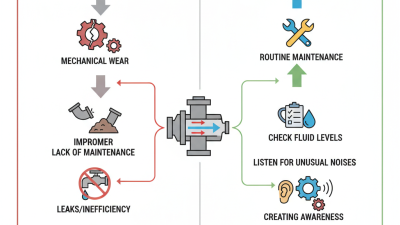
Regular maintenance is key to prolonging the life of your pump. Check the power supply elements at least once a month. Inspect for any signs of wear and tear on the power cord. It’s also important to clean the pump from debris and algae. This keeps it functioning optimally and prevents blockages.
Keep an eye on performance indicators. If the flow rate drops, this could indicate a problem. Listen for unusual noises during operation, which can signal mechanical issues. Don't ignore small leaks; they can lead to major failures. Addressing these concerns early can save time and money in the long run.