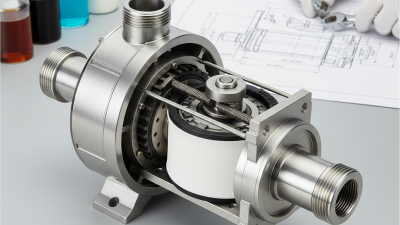
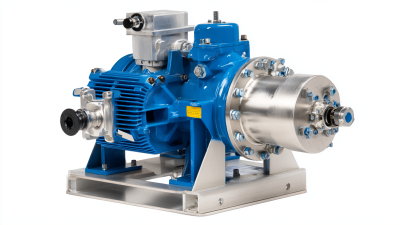
How to Select the Best High Pressure Diaphragm Pump for Your Needs?
Selecting the right high pressure diaphragm pump is essential for various applications. With numerous options available, making a choice can be daunting. A high pressure diaphragm pump is designed to handle demanding tasks, but not all pumps are created equal.
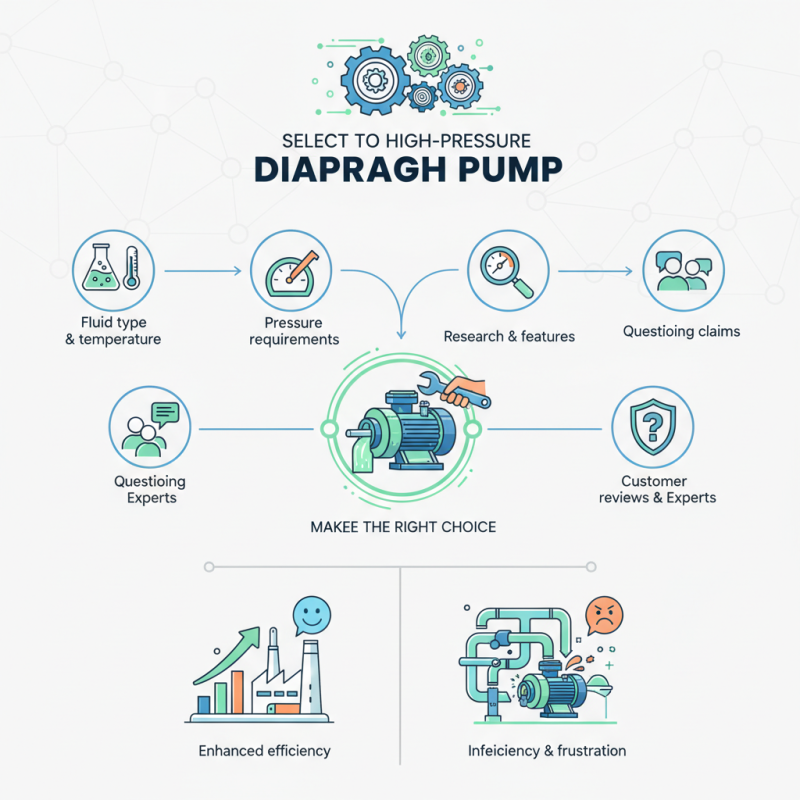
Understanding your specific needs is crucial. Factors such as fluid type, temperature, and pressure requirements must be considered. Each high pressure diaphragm pump has unique specifications that may suit certain applications better than others. A pump that works well in one scenario might falter in another.
In the quest for the best high pressure diaphragm pump, exploring customer reviews, consulting experts, and evaluating product features are vital steps. However, relying solely on ratings can be misleading. It's important to question any claims and seek out honest, detailed feedback to avoid potential pitfalls. The right pump can enhance efficiency, but the wrong choice can lead to frustrations and inefficiencies. Investing time in research will pay off in the long run.
Understanding High Pressure Diaphragm Pumps: Key Features and Benefits
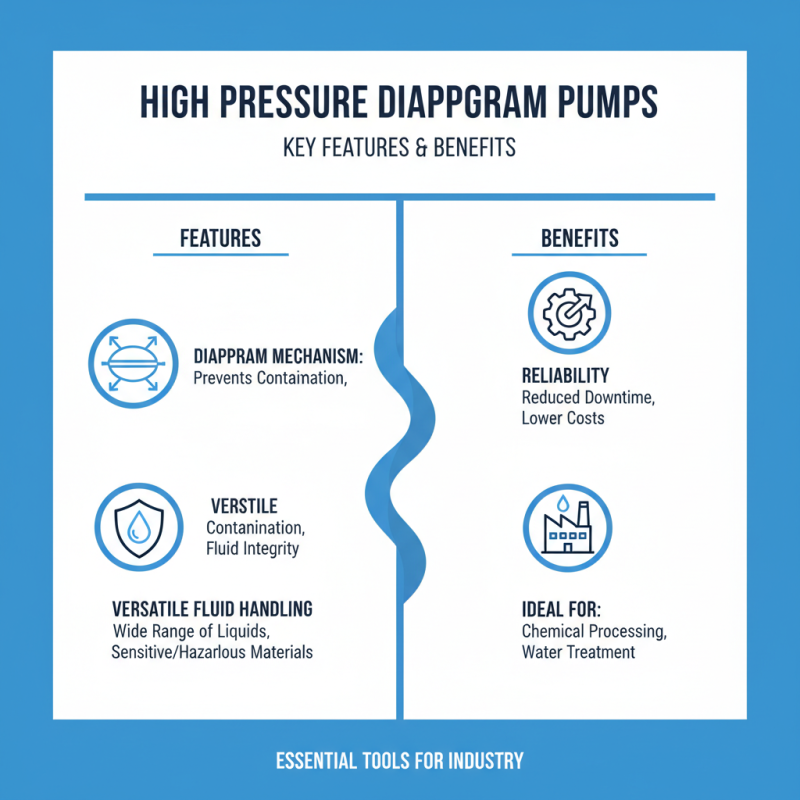
High pressure diaphragm pumps are essential tools for various industries. They are known for their ability to handle a wide range of fluids and applications. One key feature is their diaphragm mechanism, which prevents contamination and ensures fluid integrity. This design makes them ideal for handling hazardous or sensitive materials. Reliability is crucial in applications such as chemical processing and water treatment. A pump that fails can lead to significant downtime and costs.
Another important aspect is the pressure rating. High pressure diaphragm pumps can operate at varying pressure levels, so understanding your requirements is crucial. It’s vital to consider flow rate as well. Different applications require different flow rates for efficiency. Using the wrong pump can lead to inefficient operation and increased wear.
Maintenance is not to be overlooked either. Regular checks and proper servicing help in extending the pump's life. Users often assume pumps are low-maintenance. However, neglect can cause issues over time. Every pump has its limitations; knowing them is essential for optimal performance. Investing time in understanding both features and potential pitfalls is worthwhile for achieving the best results.
Identifying Your Application Needs for High Pressure Diaphragm Pumps
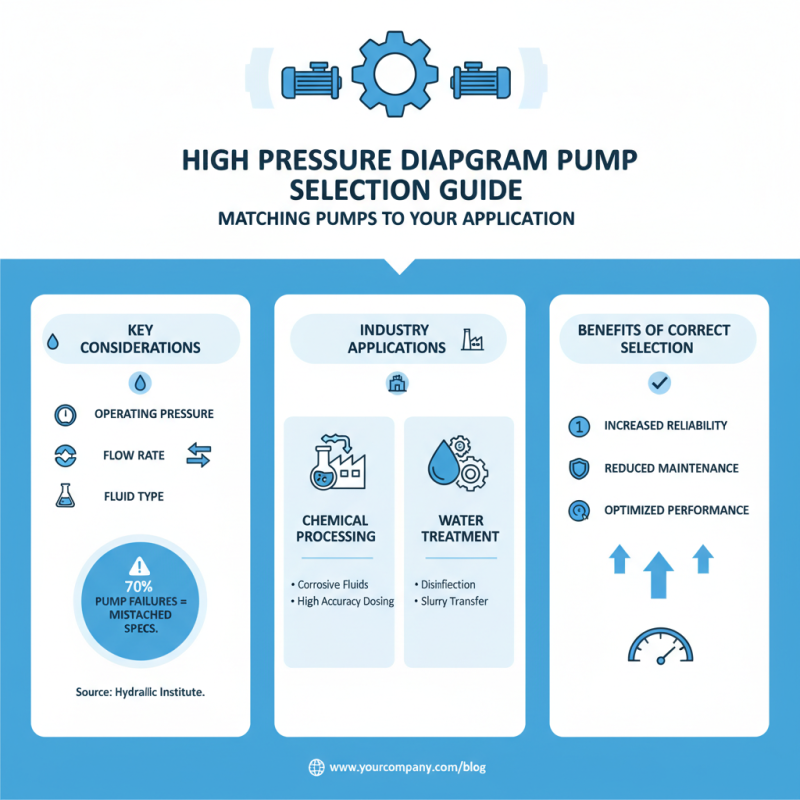
Choosing the right high pressure diaphragm pump hinges on understanding your specific application needs. Different industries, such as chemical processing and water treatment, have unique requirements. For example, a recent report from the Hydraulic Institute indicates that nearly 70% of pump failures stem from mismatched specifications. This emphasizes the importance of knowing the operating pressure, flow rate, and fluid type.
Consider the operational environment. High pressure diaphragm pumps can handle a variety of fluids, including corrosive substances and slurries. However, not all pumps are designed for these challenges. Research shows that nearly 40% of applications suffer from performance issues due to inappropriate pump selection. This highlights the need for detailed application assessments before selecting a pump.
Additionally, consider the pump’s maintenance history and serviceability. Many pumps require regular maintenance. If a pump’s design makes access challenging, downtime can increase. A survey by the American Society of Mechanical Engineers found that maintenance costs can account for up to 30% of a pump’s total lifecycle cost. Reflecting on these factors can help ensure that you choose a pump that truly meets your operational demands.
Evaluating Material Compatibility for Pump Construction and Fluid Handling
Selecting the right materials for a high-pressure diaphragm pump is crucial. The pump's construction directly impacts its performance and longevity. Many engineers overlook material compatibility, focusing solely on pump efficiency. According to industry reports, improper material selection can reduce pump life by up to 40%. This highlights the importance of a thorough evaluation process.
Corrosive fluids require materials that withstand degradation. Common options include stainless steel and various polymers. Each material has unique properties. For instance, while polypropylene resists certain chemicals, it may not handle high temperatures. On the other hand, PTFE is chemically inert but can be costly.
Another aspect to consider is operating pressure. The right material must endure pressure fluctuations without failure. A recent analysis revealed that nearly 30% of pump failures are due to material weaknesses. Evaluating your specific fluid characteristics and operating conditions is critical. Avoid generic solutions; precise alignment with your needs fosters reliability.
Assessing Flow Rate and Pressure Requirements for Optimal Performance
When selecting a high pressure diaphragm pump,
flow rate and pressure requirements are crucial factors. Flow rate determines how much
fluid the pump can move. For instance, many industrial applications require a minimum
flow rate of 5 gallons per minute.
This flow rate is often necessary for processes like coating or mixing.
Pressure requirements are equally important. Depending on the application, the necessary
pressure can vary dramatically. Some processes may need only 30 psi,
while others could require upwards of 100 psi or more.
According to a recent industry report, nearly 70% of pump failures
stem from inadequate pressure settings. This highlights the need for a thorough assessment
of both flow rate and pressure demands.
Evaluating these requirements can sometimes lead to tough choices. Selecting a pump that excels
in one area may compromise performance in another. It’s essential to understand the specific needs
of your application. The decision may involve trade-offs, like optimizing for higher pressure at
the cost of lower flow rates. Engaging with experienced professionals can provide invaluable insights.
Their expertise often results in enhanced efficiency and reliability in pump selection.
Considering Maintenance and Support when Choosing a Diaphragm Pump
When selecting a high-pressure diaphragm pump, maintenance and support are crucial factors. The reliability of your pump directly impacts your operations. A well-maintained pump ensures consistent performance and reduces downtime. Regular maintenance checks are essential. Without them, you might face unexpected failures, leading to costly repairs.
Consider ease of access to replacements and repairs. Some models have parts that are difficult to find or challenging to replace. Choosing a pump with readily available parts can save you time and frustration. A manufacturer that offers solid customer support is invaluable. Quick responses to inquiries can significantly reduce downtime.
Tip: Look for a pump with a good warranty. This can be a sign of the manufacturer’s confidence in their product. Don’t overlook user manuals and guides. Having clear documentation can make DIY repairs easier.
Maintaining your pump requires effort. Neglecting small issues can lead to larger problems. Schedule regular inspections and be proactive about maintenance tasks. A thorough understanding of your equipment will enhance its longevity and efficiency. Remember, an investment in maintenance is an investment in productivity.
How to Select the Best High Pressure Diaphragm Pump for Your Needs? - Considering Maintenance and Support when Choosing a Diaphragm Pump
| Criteria |
Important Factors |
Maintenance Requirements |
Support Services |
| Pump Type |
Pneumatic vs Electric |
Routine inspections |
24/7 technical support |
| Material Compatibility |
Chemical resistance required |
Cleaning frequency |
Parts availability |
| Pressure Rating |
Understanding PSI requirements |
Seals and diaphragm replacement |
Responsive service team |
| Flow Rate |
Gallons per minute specifications |
Performance testing |
Training sessions available |
| Size and Portability |
Compact vs Standard sizes |
Accessibility for maintenance |
Field service options |