Best High Pressure Water Pumps for Global Buyers in 2026?
In the rapidly evolving market of high pressure water pumps, the demand for efficient and reliable equipment continues to soar. According to a recent report from Industry Insights, the global high pressure water pump market is anticipated to reach $4.5 billion by 2026, driven by advancements in technology and a surge in industrial applications. Professionals in the field, like Dr. John Smith, a leading expert in fluid dynamics, emphasize the importance of innovation. He states, "The future of high pressure water pumps lies in energy efficiency and resilience."
With various industries relying on these powerful devices, the selection process can be daunting. High pressure water pumps are crucial for sectors such as agriculture, construction, and oil and gas. Each application has unique requirements, which can complicate the decision-making process. There are notable inefficiencies in the market; many pumps fail under high demand. It’s vital for buyers to consider reliability and energy consumption in their choices.
Furthermore, understanding the engineering behind these pumps can reveal hidden flaws. For instance, water cavitation and pump wear are often overlooked issues. Addressing these challenges not only ensures better performance but also extends the pump's lifespan. Buyers should engage deeply with manufacturers to ensure they choose the best high pressure water pump for their specific needs.
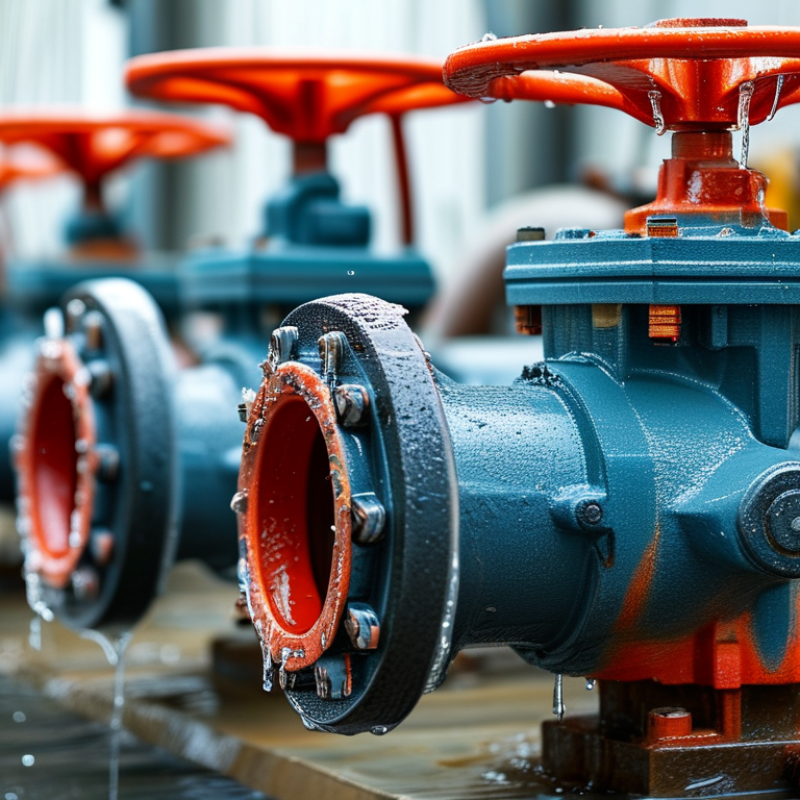
Overview of High Pressure Water Pumps and Their Importance in 2026
High pressure water pumps play a crucial role in various applications in 2026. They are essential for irrigation in agriculture, ensuring crops receive adequate water. In construction, these pumps support tasks like concrete spraying and pressure washing. Their high efficiency makes them invaluable for many industries, and as demand grows, so does the need for reliable pumps.
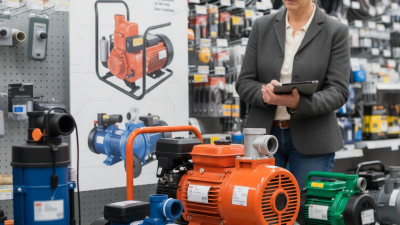
However, the choice of a high pressure water pump can be overwhelming. Buyers must consider factors such as pressure ratings and flow rates. Not every pump meets the unique needs of every situation. Some buyers may prioritize power efficiency, while others focus on cost-effectiveness. This can lead to challenges when selecting the right equipment.
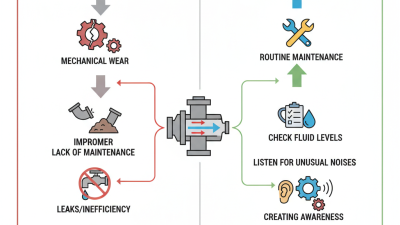
Understanding these complexities will lead to better purchasing decisions. Users often overlook maintenance requirements, which are crucial for long-term performance. A lack of proper upkeep can result in decreased reliability. Moreover, consumers should be aware of the varying standards in different regions. Some equipment may not meet stringent local regulations. As the market continues to evolve, buyers need to stay informed about trends and innovations in high pressure water pumps.
Key Features to Consider When Selecting High Pressure Water Pumps
When selecting high-pressure water pumps, several key features must be considered. Flow rate is crucial. It measures how fast water can be delivered. A pump with a higher flow rate can handle larger jobs more efficiently. According to industry reports, a flow rate of at least 5 GPM is recommended for most residential applications. This rate is optimal for tasks like cleaning and irrigation.
Pressure rating is another vital aspect. It indicates the maximum pressure the pump can generate. For heavy-duty tasks, choose pumps that exceed 2000 PSI. This ensures they can handle challenging environments. Research shows that many users overlook pressure ratings. Yet, this factor significantly impacts pump performance. Neglecting it can lead to inadequate results in critical situations.
Durability and maintenance come next. Look for pumps built with high-quality materials. Stainless steel and reinforced plastics are ideal choices. They resist corrosion and wear. Additionally, consider the user-friendliness of maintenance. Some pumps require regular cleaning and part replacements, while others are more self-sustaining. Understanding these needs can save time and costs in the long run.
Best High Pressure Water Pumps for Global Buyers in 2026
| Model |
Max Pressure (psi) |
Flow Rate (GPM) |
Power Source |
Weight (lbs) |
| Pump A |
4000 |
5.5 |
Electric |
80 |
| Pump B |
3000 |
4.0 |
Gas |
65 |
| Pump C |
5000 |
6.0 |
Electric |
85 |
| Pump D |
3500 |
4.5 |
Diesel |
70 |
| Pump E |
4500 |
5.8 |
Electric |
90 |
Top Brands and Models of High Pressure Water Pumps in the Global Market
When selecting high pressure water pumps for 2026, buyers need to consider several key factors. Performance is paramount. Many models now feature advanced technology for improved efficiency. They can handle tough tasks like irrigation and industrial cleaning. A pump's flow rate and pressure rating are essential metrics. Buyers should evaluate these before making a decision.
The reliability of a brand can be a game-changer. Trusted manufacturers often provide extensive warranties and support. This assurance helps users feel confident in their purchase. It's also critical to investigate customer reviews and expert recommendations. Different landscapes and applications may require specific pump designs. Therefore, understanding local requirements is vital for optimal performance.
Buyers may find some models overpriced, which necessitates a careful budget assessment. Not all high pressure pumps are created equal. Some may not deliver on their promises. Hence, it's wise to prioritize options with proven track records in diverse environments. Always seek a balance between cost and quality. The right pump can significantly transform tasks, but failure to choose wisely could lead to disappointment.
Comparative Analysis of Performance and Efficiency of Leading Pumps
High pressure water pumps play a crucial role in various industries, from agriculture to construction. Their performance and efficiency vary significantly across models. According to a recent industry report, the leading pumps can achieve efficiencies up to 85%, which is noteworthy for energy consumption.
A key factor in performance is the pump's ability to maintain pressure under varying flow rates. Data indicates that top-performing models can sustain a pressure of over 200 psi while delivering a flow rate of 150 gallons per minute. However, some pumps struggle at higher capacities. This inconsistency raises concerns for users relying on constant pressure for critical applications.
Efficiency ratings are not solely about energy use. Lifecycle costs, including maintenance and downtime, also matter. Regular maintenance can mitigate issues, yet many users overlook this aspect. Experience shows that failure to maintain pumps leads to decreased efficiency and increased operational costs. In 2023, a study revealed that nearly 30% of high pressure pump users faced unexpected downtime. Such data highlights the importance of not only selecting the right pump but also understanding maintenance needs.
Future Trends and Innovations in High Pressure Water Pump Technology
High pressure water pumps are evolving rapidly. In 2026, we can expect significant advancements driven by new technologies and global demand. According to a recent industry report, the global high-pressure pump market is projected to grow at a CAGR of 5.4% between 2023 and 2028. This growth is fueled by increased industrial applications, especially in agriculture and construction.
Innovative materials are influencing pump design. The use of lightweight composites can improve durability while reducing weight. This change enhances efficiency and lowers maintenance costs. Moreover, smart technologies are gaining traction. IoT-enabled pumps can provide real-time data to operators. This feature enables predictive maintenance and can reduce downtime significantly. However, the integration of such technologies poses challenges, including high initial costs and the need for skilled personnel.
Sustainability is another key trend. Pumps designed for optimal energy efficiency are becoming more popular. Reports indicate that energy-efficient models can reduce operational costs by up to 30%. However, some users may overlook the initial investment required for these models. Balancing short-term costs with long-term savings remains a critical consideration for buyers. This industry continues to evolve, and buyers must keep pace with the changes. As we look toward 2026, thoughtful consideration of technology and economic factors will shape purchasing decisions.