2026 How to Choose the Right Small Pump for Your Needs?
Choosing the right small pump can be a daunting task. The market for small pumps is worth over $5 billion and is expected to grow annually by 4.5%. With such a diverse range of options available, understanding your specific needs is crucial. Industry expert Dr. Emily Carter emphasizes, “Selecting the right small pump can significantly enhance efficiency and reduce operational costs.”
Different applications require different types of small pumps. From household use to industrial applications, the selection process can be complex. For instance, submersible pumps are ideal for drainage jobs, while diaphragm pumps excel in chemical handling. Each type has unique features, benefits, and potential drawbacks. It's vital to consider flow rates, pressure requirements, and materials compatibility to make an informed choice.
However, many customers end up overestimating their requirements, which can lead to poor performance and higher energy costs. Balancing pump capacity with actual needs is critical. Reports suggest that inefficient pump selection is responsible for 20% of energy waste in many industries. Reflecting on these aspects can guide you towards a more effective and sustainable choice.

Understanding Different Types of Small Pumps: A Comparative Analysis
When selecting a small pump, understanding the different types is crucial. There are diaphragm pumps, submersible pumps, and gear pumps. Each type has unique features and applications.
Diaphragm pumps are known for their ability to handle viscous liquids. They are also popular in chemical processes. Submersible pumps, on the other hand, work well for draining water from flooded areas. They are often used in residential settings. Gear pumps offer precise fluid movement, making them suitable for hydraulic applications.
It is important to consider your specific needs. Think about the flow rate and pressure requirements. Some pumps may not perform well under high-pressure conditions. Furthermore, consider the fluid's physical properties. For instance, corrosive substances can damage certain pump materials. The installation space is another factor. Some pumps require more room than others for maintenance and operation.
Don’t overlook energy efficiency. Some pumps consume more power than necessary. This can lead to higher operational costs over time. Evaluating your electricity use is wise. You may find that a pump with a slightly higher initial cost saves money in the long term. Assessing these factors increases the likelihood of making the right choice. Understanding your options allows for a more informed decision in pump selection.
Key Factors to Consider When Selecting a Small Pump for Specific Applications
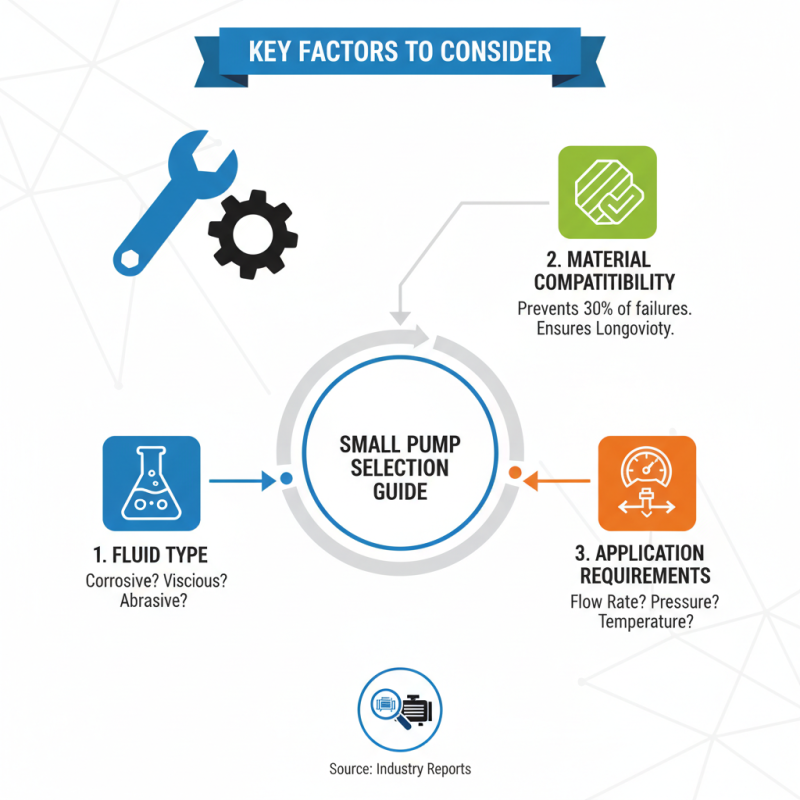
When selecting a small pump, consider the specific application requirements. Assess the fluid type that will be pumped. For example, corrosive liquids require materials that resist damage. According to industry reports, about 30% of pump failures stem from material incompatibility. This highlights the importance of material selection in ensuring a pump's longevity.
Next, examine the flow rate and pressure requirements. Different pumps will excel under various conditions. A report from the Hydraulic Institute states that 50% of pump inefficiencies arise from incorrect sizing. Ensure that the pump matches the desired flow rate. Too small a pump may overheat, while a too-large pump can waste energy.
Additionally, the power source is crucial. Electric pumps are typically more efficient, while gas-powered ones might be necessary for remote locations. Consider the installation environment, too. Factors such as noise, vibrations, and accessibility for maintenance are often overlooked. Ignoring these details can lead to future complications, as many users later realize they need to adapt their systems. Careful planning can prevent these common pitfalls.
Evaluating Performance Metrics: Flow Rate, Pressure, and Power Consumption
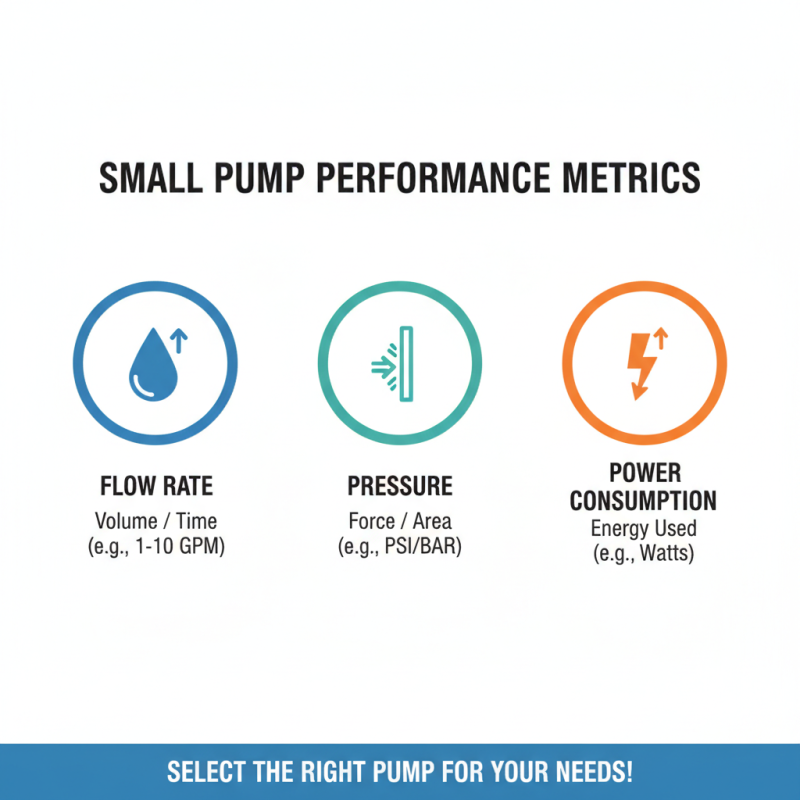
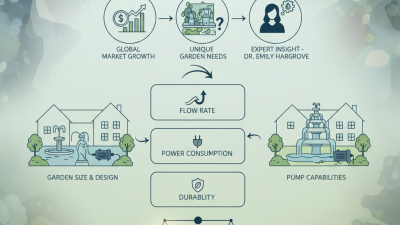
When selecting a small pump, understanding performance metrics is critical. Key metrics include flow rate, pressure, and power consumption. The flow rate defines the volume of liquid a pump can move over time. For instance, a typical small pump may offer a flow rate of 1 to 10 gallons per minute. However, your specific needs may require adjustments to these numbers, especially in tight applications.
Pressure is another vital measure. It indicates how forcefully a pump can move liquid. Commonly, pumps are rated in pounds per square inch (PSI). Most small pumps deliver pressure ranging from 30 to 150 PSI. You must evaluate how much pressure your applications will need to function effectively. Overlooking this aspect can lead to reduced efficiency or even pump failure.
Power consumption cannot be ignored. Efficient pumps can be more cost-effective over time. Energy reports indicate that some low-power small pumps consume less than 100 watts. Yet, high-powered options may reach up to 600 watts. Consumers should balance the need for power with overall energy costs. This aspect requires serious consideration. It’s easy to underestimate the long-term impact on your budget. Understanding these metrics helps ensure you choose the right pump without missing critical factors that could affect performance.
Assessing Pump Materials and Durability for Long-term Reliability
When choosing a small pump, material and durability are critical factors. The pump's material affects its resistance to corrosion, wear, and temperature fluctuations. For example, stainless steel offers high durability and is suitable for various liquids. However, plastic pumps may be lighter and more affordable. Each choice has its pros and cons, so careful consideration is essential.
Long-term reliability hinges on understanding how different materials perform over time. A pump exposed to harsh chemicals might degrade faster than one designed for robust use. Users sometimes overlook maintenance, yet it significantly impacts a pump's lifespan. Regular checks can identify wear and prevent costly failures down the line.
Reflecting on past experiences can reveal insights into pump durability. Consider how various environments and applications affected your pump choices. Sometimes, an expensive pump fails despite high expectations, leading to frustration. Analyzing such situations helps inform better decisions in the future.
2026 How to Choose the Right Small Pump for Your Needs? - Assessing Pump Materials and Durability for Long-term Reliability
| Pump Type |
Material |
Durability |
Max Flow Rate (GPH) |
Power Source |
| Submersible Pump |
Thermoplastic |
5-10 years |
500 |
Electric |
| Diaphragm Pump |
Aluminum |
10-15 years |
300 |
Pneumatic |
| Gear Pump |
Stainless Steel |
10-20 years |
800 |
Electric |
| Centrifugal Pump |
Cast Iron |
7-12 years |
600 |
Electric |
| Peristaltic Pump |
PVC |
3-5 years |
200 |
Electric |
Cost Analysis: Budgeting for Purchase and Maintenance of Small Pumps
When considering small pumps, budgeting is crucial. Many buyers overlook the long-term costs associated with purchase and maintenance. The initial purchase price may be tempting. However, operational expenses add up swiftly. Regular maintenance is essential for optimal performance. Costs for parts and service can accumulate over time.
Understanding your needs helps in budgeting effectively. For instance, a pump that requires frequent repairs may seem cheaper initially. In contrast, investing in a reliable unit will save money in the long run. Assessing energy efficiency is also vital. A less efficient pump can lead to higher energy bills, impacting your overall budget.
Researching various options can be overwhelming. Finding a balance between upfront costs and long-term savings is key. Seek expert advice to make informed decisions. Unexpected costs can arise from poor initial choices. Therefore, taking the time to evaluate all aspects of small pump ownership is wise.