Why You Should Choose the Right Fountain Pump for Your Garden?
Choosing the right fountain pump can transform your garden into a tranquil oasis. According to John Smith, a leading expert in landscape design, “The right fountain pump ensures a consistent water flow, enhancing your garden's beauty.” A fountain pump serves not only as a functional element but also as a focal point. It can draw attention and provide a soothing ambiance.
When selecting a fountain pump, consider the size and style of your fountain. A pump that is too strong can create chaos, while one that is too weak may leave your fountain stagnant. It's vital to find that perfect balance. Many gardeners overlook this, leading to unappealing water features that fail to deliver the desired effect.
Remember, a fountain is more than just decoration. It brings life to your outdoor space. An effective fountain pump enhances water circulation, preventing algae growth. Pay attention to the pump’s energy efficiency, as this can save costs over time. Ultimately, choosing the right fountain pump is an investment in your garden’s longevity and beauty.
Understanding the Importance of a Fountain Pump in Garden Design
When designing a garden, selecting the correct fountain pump is crucial. A well-chosen pump ensures that the water feature operates smoothly. It brings life to your garden with soothing sounds and sparkling visuals. The pump should match the size and type of your fountain. A mismatch can lead to disappointing performance and increased energy costs.
The importance of the fountain pump extends beyond aesthetics. It helps maintain water circulation, preventing stagnation. Stagnant water can attract unwanted pests and algae. A reliable pump promotes a healthy ecosystem. The audible flow of water can create a calming environment, enhancing your outdoor experience. Choosing a pump with the right capacity is essential. An overly powerful pump might disrupt the tranquility you seek.
Consider the energy efficiency of the pump. An efficient model reduces electricity consumption and long-term costs. Gardeners may overlook this aspect, focusing solely on the fountain's design. Take the time to research and reflect on your needs. Installation can be challenging, so ensure clarity in design and function. An informed decision can improve your garden's overall appeal and function.
Fountain Pump Types and Their Popularity in Garden Design
Key Factors to Consider When Selecting a Fountain Pump
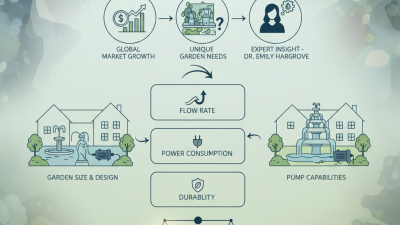
When selecting a fountain pump for your garden, several factors play a crucial role. The flow rate is one of the most significant aspects. According to landscaping reports, an appropriate flow rate enhances water circulation and keeps the fountain visually appealing. Too high a flow rate can create chaos, while too low a rate may lead to stagnation. A flow rate of about 100-200 gallons per hour is suitable for most small to medium garden fountains.
The pump's power source is another key consideration. Many pumps run on electricity, but solar-powered options are gaining popularity. A study from the Horticultural Society indicates that solar pumps can save up to 70% on energy costs. However, they may require direct sunlight to function optimally. Evaluating your garden’s light conditions becomes essential in this case.
Noise levels of the pump should not be neglected. A quiet pump adds to the serene atmosphere of a garden. Research shows that most gardeners prefer pumps operating below 50 decibels. Additionally, consider the pump's materials. Durable components prolong the pump's lifespan, especially when exposed to outdoor elements. Selecting the right materials can be challenging, but it’s necessary for longevity.
Why You Should Choose the Right Fountain Pump for Your Garden? - Key Factors to Consider When Selecting a Fountain Pump
| Factor |
Description |
Importance |
| Pump Flow Rate |
The amount of water the pump can move in a given time, measured in gallons per hour (GPH). |
Essential for ensuring adequate water circulation for the fountain and plants. |
| Pump Height |
The maximum height the pump can push water, crucial for your fountain design. |
Determines the visual effect and the functionality of the water feature. |
| Energy Efficiency |
How much electricity the pump uses; lower consumption leads to cost savings. |
Important for long-term operation costs and environmental considerations. |
| Durability |
The material and build quality of the pump which affects its lifespan. |
Key for ensuring reliability and reducing the need for replacements. |
| Noise Level |
How loud the pump operates, important for creating a peaceful garden atmosphere. |
Affects the enjoyment of the fountain; quieter pumps are often preferred. |
| Maintenance |
Ease of cleaning and maintaining the pump to ensure longevity. |
Regular maintenance is vital for preventing breakdowns and ensuring optimal performance. |
Types of Fountain Pumps: Which One is Right for Your Garden?
Choosing the right fountain pump involves more than just aesthetics. Various types of fountain pumps can significantly influence your garden's ecosystem. Generally, fountain pumps fall into three categories: submersible pumps, external pumps, and solar-powered pumps. Each type offers distinct advantages and disadvantages that cater to specific requirements.
Submersible pumps are popular for their quiet operation and energy efficiency. According to a report by the American Society of Landscape Architects, gardens that use submersible pumps experience a 30% lower energy consumption compared to external pumps. However, they can be more prone to clogging and may require maintenance every few months. In contrast, external pumps are easier to access, making maintenance simpler while providing powerful water circulation. Still, they typically consume more energy, which can lead to higher utility bills.
Solar-powered pumps are growing in popularity, especially for eco-conscious gardeners. They require no electricity, making them cost-effective over time. However, their performance can falter in cloudy weather, which may limit fountain operation. It's essential to consider local weather patterns when selecting this option. Each type of pump has its own strengths and weaknesses, reflecting the diverse needs of garden enthusiasts.
How Fountain Pump Size Affects Water Flow and Aesthetics
Choosing the right fountain pump significantly impacts both water flow and the overall aesthetics of your garden. Studies show that a pump's flow rate, measured in gallons per hour (GPH), directly determines how visually appealing your fountain will be. For instance, a pump with a flow rate that is too high can create a chaotic appearance, while one that is too low may result in an unimpressive trickle.
Experts recommend considering the design of your fountain and adjacent landscaping. A well-designed garden feature requires harmonious flow. An improperly sized pump can lead to subpar performance. Research by industry professionals suggests that for every foot of vertical height, you may lose about 0.43 GPH from your pump's total flow rate. Thus, understanding the relationship between pump size and height is crucial for achieving desired aesthetics.
It's important to reflect on personal preferences when selecting a pump. Some individuals may desire a gentle bubbling effect, while others might prefer a dramatic cascade. Balancing these choices with technical requirements can be challenging. An expert once noted that aesthetic appeal often requires careful experimentation. This trial and error can lead to frustration, but it is a natural part of creating a beautiful garden setup.
Maintenance Tips for Your Fountain Pump to Ensure Longevity
Maintaining your fountain pump is crucial for its longevity and performance. Start by regularly checking the water level in your fountain. A low water level can cause the pump to run dry, leading to potential damage. Make it a habit to inspect the pump for debris or blockages. Remove leaves and dirt to ensure smooth operation. Neglecting this can lead to reduced water flow or even pump failure.
Cleaning the pump itself is essential. Disconnect it from the power source and flush it with fresh water. This removes any buildup that can impede performance. Over time, wear and tear can affect functionality. Listening for unusual noises during operation is important; these may indicate an issue. If you notice reduced efficiency, that could signal a need for repairs or replacement. Regular maintenance can prevent costly problems and extend the life of your fountain pump.