Top Tips for Choosing the Right Fountain Water Pump?
Choosing the right fountain water pump can greatly enhance the aesthetic appeal of any outdoor space. According to a report by the American Society of Landscape Architects, water features can increase property value by up to 15%. These features often rely on effective fountain water pumps to function properly.
Expert Paul Anderson, a known authority in water feature design, states, “The right pump can transform a simple fountain into a stunning focal point.” When selecting a fountain water pump, factors like flow rate, energy efficiency, and noise levels are crucial. A poorly selected pump can lead to excessive energy costs and lackluster performance.
Understanding the specific needs of your fountain is essential. Consider the size of your fountain and the desired water flow. Inadequate pumps can result in stagnant water, which can attract pests and promote algae growth. Careful selection based on reliable data and expert guidance can ensure that your water feature remains both beautiful and functional.

Factors to Consider When Selecting a Fountain Water Pump
When selecting a fountain water pump, several factors should guide your decision. Size is crucial. The pump needs to suit your fountain's dimensions. A pump too small won’t circulate water effectively, while one too large can create overwhelming currents. Consider the flow rate. Measure it in gallons per hour (GPH) to find a match for your fountain's design.
Noise level matters too. Some pumps can be quite loud. You may prefer a quieter option if the fountain is in a serene environment. Don’t overlook the power source. Some pumps are electric, while others run on solar energy. Solar might be less reliable on cloudy days. Think about maintenance as well. Pumps require cleaning and occasional part replacement.
Another important tip is to check the pump's materials. Durable, corrosion-resistant materials ensure longevity. Look for pumps with good reviews and reliable performance histories. Understanding the warranty offered can also provide peace of mind in case of issues. Trustworthy brands often stand behind their products. Choosing the right pump can significantly enhance your garden’s aesthetic.
Top Tips for Choosing the Right Fountain Water Pump
Understanding Pump Specifications: Flow Rate and Head Height
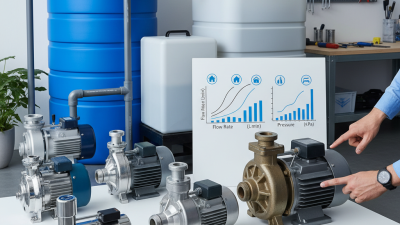
When selecting a fountain water pump, understanding pump specifications is critical. The flow rate and head height significantly impact performance. Flow rate measures how much water the pump can move, usually expressed in gallons per hour (GPH). A higher flow rate means more water movement, creating a more dynamic fountain display. However, selecting a flow rate that matches your fountain's size is essential. Too much water can overwhelm the structure and disrupt the visual appeal.
Head height refers to how high the pump can push water. It is crucial for fountains involving elevation changes. For instance, a pump with a head height of 10 feet will effectively move water up to that height. However, if your fountain design requires more elevation, you'll need to choose a pump that can handle that demand. This aspect often gets overlooked, leading to disappointment when the water flow isn't as expected.
Always double-check your calculations. Consider factors like the length of tubing and any bends that can affect performance. Relying on generic guidelines may lead to poor choices. Your unique setup demands specific specifications. If the pump can't meet the needed flow rate or head height, your fountain may not function as envisioned. Take the time to assess your design thoroughly before making a decision. Quality often outweighs quantity when it comes to fountain pumps.
Types of Fountain Water Pumps: Submersible vs. Inline Options
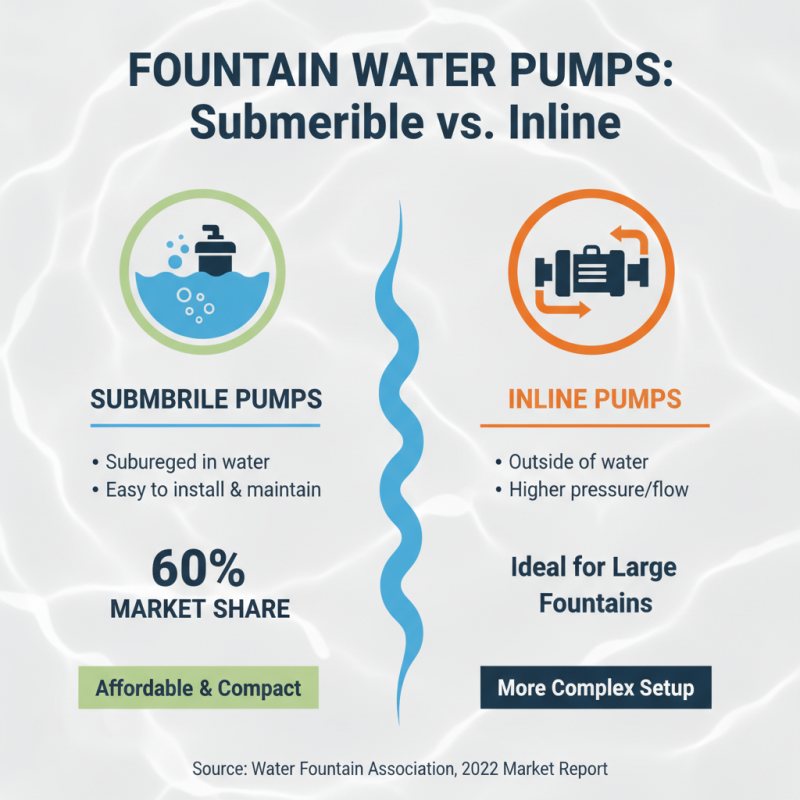
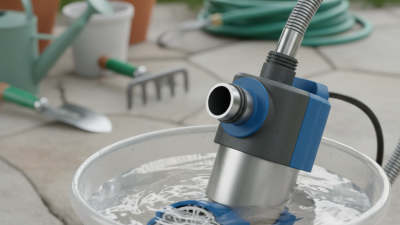
When selecting a fountain water pump, understanding the types available is crucial. The two main categories are submersible and inline pumps. Submersible pumps operate submerged in water. They are generally easy to install and require minimal maintenance. However, they may not be ideal for larger fountains or those needing high-pressure water flow. According to a 2022 market report from the Water Fountain Association, submersible pumps account for 60% of the fountain pump market. Their popularity stems from their affordability and compact design.
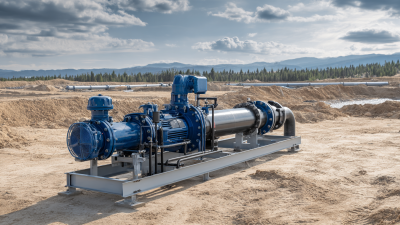
On the other hand, inline pumps are installed outside of the water body. They often provide higher flow rates and are suitable for larger installations. Inline pumps can be more complex to install. They tend to require additional plumbing and fittings. A professional installation may be necessary, which can increase the initial cost. However, they offer better longevity and performance in demanding setups. Statistics show that inline pumps hold 40% of the market share, appealing to fountain enthusiasts and professionals alike.
Choosing between these options depends on the fountain size and desired water effect. While submersible pumps may seem easier, they have limitations. Inline pumps, while more challenging, can deliver superior performance. Reflecting on your specific needs will guide your choice.
Energy Efficiency Ratings for Fountain Water Pumps Explained
When selecting a fountain water pump, energy efficiency ratings play a crucial role. These ratings indicate how much energy the pump uses compared to its output. A higher rating suggests a more efficient pump. This can lead to lower electricity bills.
However, efficiency is not the only factor to consider. Some pumps may have high ratings but lack durability. Others may be cost-effective initially but consume more energy over time. Understanding these trade-offs can be challenging. Look for models that balance performance with energy consumption.
Pay attention to the pump's wattage and flow rate. A lower wattage may seem attractive, but it might not deliver adequate water pressure. Always check reviews and specifications for real-life performance insights. Consider how often you will use the fountain and whether the pump meets those needs.
Maintenance Needs and Longevity of Different Pump Models
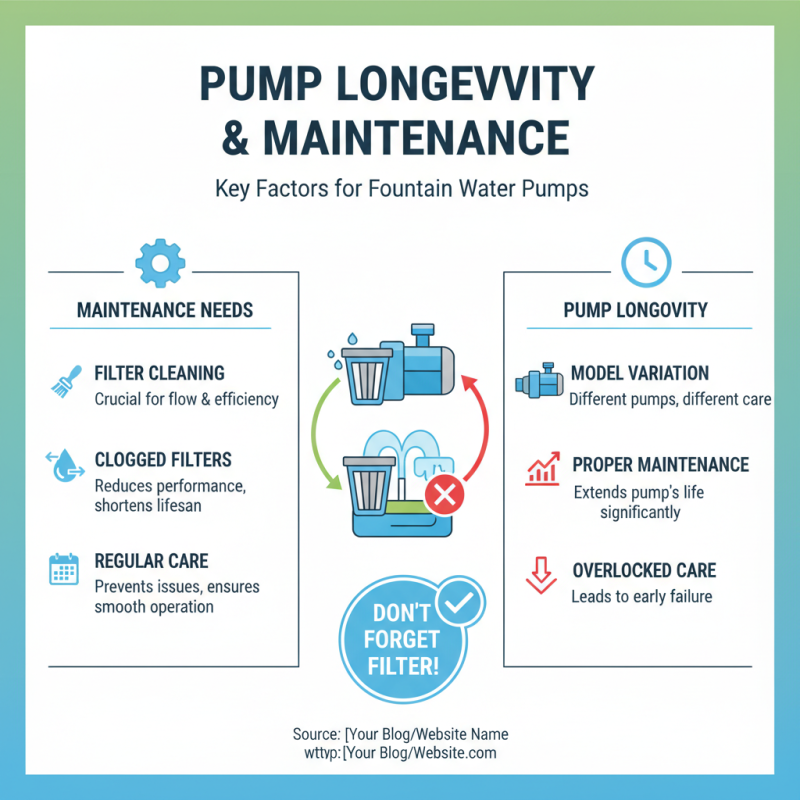
When selecting a fountain water pump, consider its maintenance needs. Different models require varying levels of care. Some pumps have filters that need regular cleaning. Clogged filters can hinder performance. This is often overlooked, leading to decreased efficiency.
Longevity is another crucial factor. A robust pump should last for years with proper care. Pumps made from durable materials often resist wear better. However, it's important to regularly check seals and hoses. These components can deteriorate over time, impacting functionality.
Consider the operational environment as well. Pumps exposed to harsh conditions might wear out faster. Regular inspections can help catch issues early, extending the lifespan. Keeping up with maintenance pays off in the long run, ensuring your fountain remains a beautiful centerpiece.