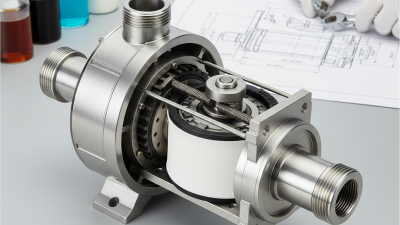
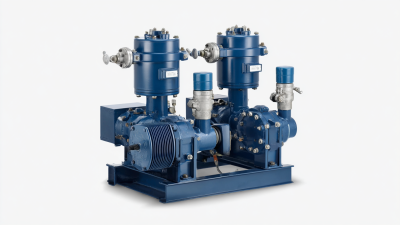
Top 2 Diaphragm Pump Options for Global Buyers?
In the world of fluid transfer, choosing the right equipment is crucial. Among various options, the top 2 diaphragm pump models stand out for their efficiency and reliability. These pumps are designed to handle diverse fluids across different industries. Their versatility proves invaluable for global buyers seeking dependable solutions.
The first option is renowned for its robust construction. This ensures longevity and performance in demanding environments. Buyers appreciate its ease of maintenance. The second choice offers advanced features that enhance control over fluid flow. These attributes are essential for precision applications.
While both pumps excel in their respective areas, potential buyers must reflect on their specific needs. Not all models suit every application. It's important to consider factors like compatibility and operational costs. Making an informed choice ensures optimal performance and satisfaction.
Key Features to Consider When Choosing Diaphragm Pumps
When selecting diaphragm pumps, several key features should guide your decision. One of the most critical aspects is the pump material. Depending on the application, different materials provide varying levels of durability and resistance to chemicals. Consider whether the pump will handle aggressive liquids or if it will work in different temperatures. This consideration greatly affects longevity and efficiency.
Performance is another vital factor. Look for the pump's flow rate and pressure specifications. These metrics directly influence its functionality. A pump that cannot meet the required pressure may compromise your application. Therefore, always assess your operational requirements before making a choice.
**Tip: Prioritize applications to find a suitable pump.** Determine what you truly need before shopping. Too many buyers focus solely on price, forgetting essential specifications.
Maintenance can often be overlooked but is crucial for ensuring pump reliability. Regular checks can prevent failures. A well-maintained pump will perform better over time.
**Tip: Keep a maintenance schedule.** Documenting inspections can reveal patterns, helping to predict future needs.
Being mindful of these aspects ensures that you choose a diaphragm pump that meets your specific needs and applications effectively.
Top 2 Diaphragm Pump Options for Global Buyers
| Pump Type |
Flow Rate (L/min) |
Max Pressure (bar) |
Material |
Applications |
| Air-Operated Diaphragm Pump |
20 |
8 |
Polypropylene |
Chemical transfer, waste treatment |
| Electric Diaphragm Pump |
15 |
6 |
Stainless Steel |
Food processing, pharmaceutical |
Top Brands Offering High-Quality Diaphragm Pumps Worldwide
When considering diaphragm pumps, quality is crucial for any buyer. Many brands offer reliable options worldwide. Choosing the right brand is often overwhelming due to numerous choices. Effective diaphragm pumps should ensure durability and consistent performance.
Quality diaphragm pumps typically have strong materials and reliable seals. A well-designed unit prevents leaks and maintains efficiency. Buyers should look for brands that focus on rigorous testing. This reflects their commitment to safety and performance.
Product support is another vital aspect. Brands should offer comprehensive customer service. Access to spare parts enhances reliability. Yet, some brands may lack sufficient support, leading to buyer frustration. It's always wise to research before making a choice. Reading reviews can provide insight into real-world performance.
Top 2 Diaphragm Pump Options for Global Buyers
The chart below illustrates the average flow rate (in liters per minute) and maximum pressure (in bar) for two top diaphragm pump options available in the market.
Comparison of Performance and Efficiency in Market Leaders
When evaluating diaphragm pumps, performance and efficiency are critical factors. The diaphragm pump market has witnessed steady growth. According to a recent industry report, the global diaphragm pump market is projected to reach USD 5.5 billion by 2026, with a CAGR of 5.2%. This increase signals a growing demand for efficient pumping solutions across various applications.
Comparative studies reveal that leading diaphragm pumps showcase significant differences in efficiency. For instance, efficiency ratings often fluctuate between 85%-95%. Pumps achieving higher efficiency not only reduce energy consumption but also improve overall operational costs. These savings can be substantial over time, particularly in industries like wastewater management and chemical processing, where energy costs form a large part of operational budgets.
However, discrepancies in performance metrics remind buyers to choose with caution. Some models may excel in flow rates but lag in durability. It's vital for consumers to assess specific application needs, considering factors like fluid type and operational environment. The right balance between performance and longevity often leads to better outcomes, but it requires careful analysis of technical specifications and performance reviews.
Price Range and Cost-Effectiveness of Diaphragm Pump Options
When selecting diaphragm pumps, price and cost-effectiveness are critical. Diaphragm pumps vary widely in price, ranging from $200 to over $5,000 depending on capacity, material, and manufacturer. A study by MarketsandMarkets showed that the global diaphragm pump market is expected to grow significantly, reflecting a growing demand for efficient and cost-effective pumping solutions.
Investing in a diaphragm pump can yield both short-term and long-term savings. For example, pumps designed for high durability may have a higher upfront cost but lower maintenance expenses. An effective diaphragm pump can reduce operational costs by increasing energy efficiency. According to industry analysts, a well-chosen pump can offer savings of about 20-30% in energy consumption over time.
Buyers should also consider the total cost of ownership. This includes not only the initial price but also maintenance and replacement parts. Some pumps may require more frequent replacements, leading to higher overall costs. Evaluating the long-term benefits against upfront expenses is crucial. Factors like the pump's lifespan and warranty can influence the decision-making process.
Customer Reviews and Feedback on Leading Diaphragm Pumps
When exploring diaphragm pumps, customer reviews provide invaluable insights. Many users highlight the efficiency of these pumps in diverse applications. Feedback often emphasizes their consistent performance, even under challenging conditions. Customers appreciate the ease of maintenance, noting that this reduces downtime. However, some reviews mention occasional issues with versatility, as not all models adapt well to different fluids.
Another key aspect discussed in reviews is durability. Users share experiences that reveal varying lifespans based on material quality. Some pumps excel in harsh environments, while others struggle. This discrepancy often leads customers to reflect on their specific needs before purchasing. Reliability also holds importance; users report that dependable pumps significantly impact their operations.
Finally, the noise level is a common topic. Certain models are praised for quiet operation, making them suitable for sensitive environments. Yet, a segment of reviewers expresses concerns about models that operate loudly. This feedback prompts potential buyers to weigh noise versus performance. Overall, customer reviews present a balanced perspective, highlighting strengths and areas for improvement in diaphragm pumps.