China Top 10 24V Water Pump Manufacturers?

Choosing among China’s top 10 24V water pump manufacturers starts with the job the pump must perform. A 24v water pump may serve an RV, boat, agricultural setup, or industrial water system, but these uses demand different flow rates, pressure levels, and operating hours. Match the pump to the real conditions, not just the headline specifications.

Details matter. Check the voltage range, rated flow, maximum pressure, wetted materials, and expected duty cycle. A pump moving water through a short hose may behave differently when connected to a long line with filters and bends. Ask suppliers how performance changes under back pressure, and whether the pump tolerates dry running or requires a protected intake. Small components count.

This guide compares manufacturers using practical indicators: product range, customization options, quality-control practices, technical documentation, and responsiveness to buyer questions. Where available, review test reports and confirm that stated specifications apply to the exact model being quoted. A polished catalog is useful, but it cannot replace clear answers about production consistency, spare parts, or warranty support. No ranking is perfect. Supplier capabilities change, and public information can be incomplete. Treat the list as a starting point, then request current datasheets, samples, and written terms before making a purchasing decision.
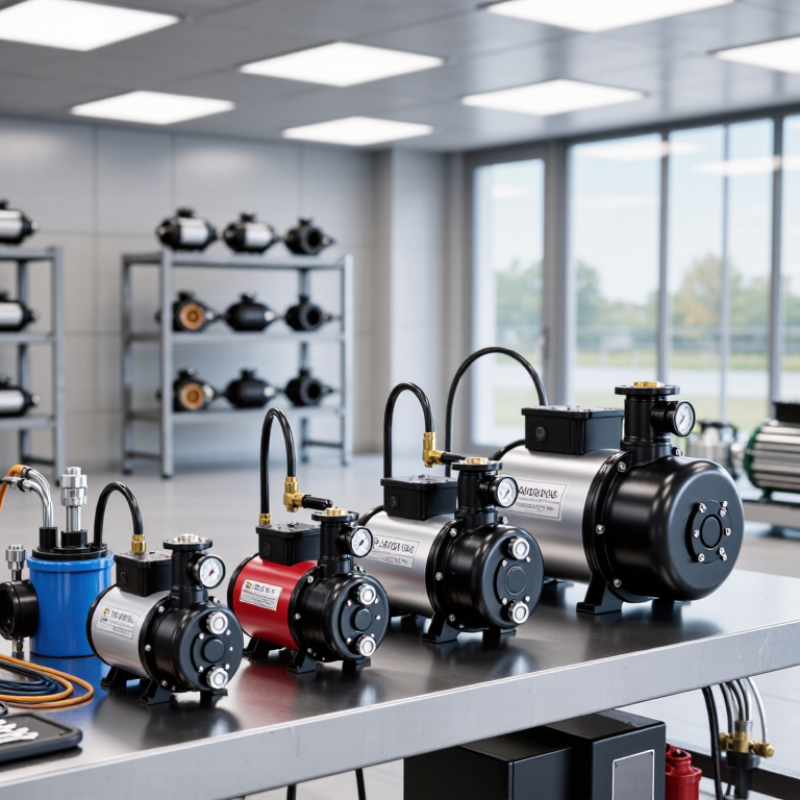
China Top 10 24V Water Pump Manufacturers?

24V Water Pump Basics: Flow, Head, Power, and 24 VDC Ratings

A 24 VDC pump’s label does not tell the whole story. Flow is the volume delivered per minute; head is the height or pressure the pump must overcome. Read both from the pump’s flow-head curve. Maximum flow and maximum head usually occur at different operating points. Small detail: narrow tubing, elbows, and a clogged filter all reduce delivered flow.

Electrical input is estimated as volts × amps: at 24 V and 5 A, the pump draws about 120 W. Hydraulic output is lower because of losses. For water, hydraulic power is approximately 9.81 × flow in cubic metres per second × head in metres, in watts. The U.S. Department of Energy’s Improving Pumping System Performance sourcebook reports that pumping systems can use 25–50% of energy in certain industrial facilities. That figure is not a small-pump efficiency rating, but it shows why matching flow and head matters.

Check the supply voltage under load, not only at the power supply. Long, thin cables can cause voltage drop, changing pump performance or preventing startup. A practical test uses a bucket, a stopwatch, and a pressure gauge at the outlet. Compare measured flow with the curve at the actual head. It is an imperfect check; fittings and air in the line can skew results. Use the manufacturer’s stated voltage tolerance and current rating before choosing wiring or a power supply.

How to Assess China’s Top 10: ISO 9906 Pump-Curve Test Evidence

A credible “China Top 10” comparison should start with test evidence, not catalogue claims. Ask for a pump curve showing flow, head, speed, and input power, with the test date and conditions recorded. ISO 9906:2012 defines acceptance grades for rotodynamic pump performance; under Grade 2, typical tolerances include about ±8% for flow and ±5% for head. Check the stated grade before comparing results. A curve without its grade is incomplete.

Look for a witnessed test or a report from a competent laboratory. The report should identify the 24V supply voltage, fluid temperature, measurement instruments, and calibration status. At each test point, compare measured values with the submitted curve. One point is not enough. The U.S. Department of Energy’s Improving Pumping System Performance sourcebook reports that pumping can account for 25–50% of energy use in some industrial facilities. That makes power readings relevant, even for compact pumps.

Then test the curve against your real duty point. A small drop in voltage, a narrow hose, or a higher lift can shift delivered flow. Ask for repeat measurements. Check raw readings, not just a polished graph. I would still hesitate if the report omits uncertainty or shows only a best-case result. Real systems are messier. ISO conformity supports a comparison; it does not prove lifetime reliability or suitability for every installation.

China Top 10 24V Water Pump Manufacturers? - How to Assess China’s Top 10: ISO 9906 Pump-Curve Test Evidence
No. Assessment dimension Evidence to request How to assess it Record status
1 ISO 9906 test report A complete hydraulic performance test report identifying the applicable ISO 9906 edition and acceptance grade. Check that the report identifies the tested pump model and configuration. ISO 9906 is a hydraulic performance test standard; it is not a manufacturer ranking or a general product certification. Not provided; verify for each supplier.
2 Tested pump identity Model, impeller or rotor configuration, test date, and a link between the tested sample and the quoted product. Confirm that the report covers the same product configuration being offered, rather than a different model or a generic product family. Not provided; verify for each supplier.
3 Flow-rate and head curve Measured flow-rate and total-head data across the tested operating range, presented as a pump curve. Compare measured points with the supplier’s published curve and the required system duty point. A single maximum-flow or maximum-head figure does not establish performance at the other condition. Not provided; verify for each supplier.
4 Declared duty point The required flow rate and head, with the operating point shown on the submitted curve. Assess whether the required duty point is supported by test evidence. Do not assume that maximum flow and maximum head occur simultaneously. Buyer to define; no duty point supplied.
5 Hydraulic power and efficiency Power and efficiency results associated with the reported hydraulic operating points, where included in the test scope. Check that the reported values correspond to the tested flow and head. Confirm the report’s stated measurement scope and test conditions. Not provided; verify for each supplier.
6 Acceptance grade and tolerances The selected ISO 9906 acceptance grade and the applicable acceptance criteria stated in the report or purchase specification. Verify the grade and criteria applicable to the order. Do not apply a tolerance from a different grade or test arrangement. Not provided; agree before testing.
7 Test conditions and traceability Test setup, fluid and test conditions, instruments used, calibration information, and test-laboratory details. Check that the conditions and instrumentation are documented sufficiently to interpret and trace the results. Request clarification where the report omits relevant details. Not provided; verify for each supplier.
8 24 V electrical performance Voltage and current measurements under stated operating loads, plus the specified allowable supply-voltage range. Assess separately from the hydraulic curve: ISO 9906 hydraulic performance evidence alone does not establish electrical performance or electrical safety compliance. Not provided; request separate electrical data.
9 Protection and operating limits Product-specific documentation for protections and limits claimed, such as thermal protection, dry-run behavior, or ingress protection. Require applicable test reports or product documentation for each claim. Do not infer these features from an ISO 9906 pump-performance report. Not provided; verify each claimed feature.
10 Independent verification and production consistency Witnessed or independent test evidence, and a documented plan for checking production units against the approved sample. Record who performed or witnessed the test and how the tested sample is linked to production. A single sample report does not by itself demonstrate ongoing production consistency. Not provided; define verification plan.
Data note: No supplier-specific test reports or verified manufacturer data were supplied for this comparison. The table is an evidence-based assessment checklist, not a ranked list of ten manufacturers; all supplier results should be marked unverified until supporting documents are reviewed.

Manufacturer Profiles: Pump Types, Materials, and IEC 60529 IP Ratings

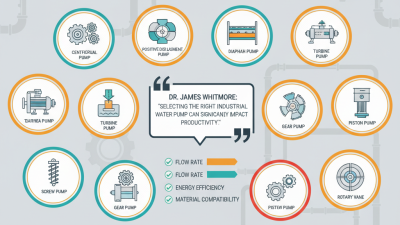
A strong profile of a 24V water pump manufacturer should explain what each pump type is designed to do. Diaphragm pumps can suit intermittent transfer and self-priming needs, while centrifugal designs often support steady circulation. Gear pumps may handle controlled flow, but fluid cleanliness and wear deserve attention. Small details matter. Check the stated flow rate against the required lift, not just the headline maximum.

Materials tell another part of the story. A housing made from reinforced polymer can reduce weight; stainless-steel parts may better tolerate certain demanding environments. Seals such as EPDM or NBR are not interchangeable for every fluid or temperature. Ask for compatibility data. A material list alone does not prove long-term service life, and this is an easy point to overlook.

IEC 60529 IP ratings describe protection against solid objects and water under defined test conditions. The first digit concerns solids; the second concerns water ingress. An IP67 rating, for example, does not automatically mean a pump can run underwater continuously. Also confirm whether the rating applies to the motor enclosure, connector, or complete assembly. A useful manufacturer profile should show test documentation and operating limits. I would not rely on a label alone. Check performance curves at 24V, duty-cycle limits, and connector sealing details; real installations can be less tidy than test benches.

Compare Performance Using Pump Laws: Q∝N, H∝N², and P∝N³

When comparing China-based 24V water pump manufacturers, look beyond advertised maximum flow. Ask for pump curves at the intended voltage, fluid, and operating speed. A pump delivering strong flow in an unrestricted test may perform differently through narrow tubing or at a higher lift. Real conditions matter.

Pump affinity laws offer a useful comparison when the same pump geometry and similar operating conditions apply: flow is approximately proportional to speed, head to speed squared, and shaft power to speed cubed. At 80% speed, for example, flow may approach 80%, head 64%, and power 51% of the original values. These are estimates, not guarantees. Efficiency and motor controls can shift the results.

Check the test details. Was flow measured at the required head? Was the 24V supply stable under load? A long, thin cable can cause voltage drop, changing motor speed and measured output. Ask suppliers for current, flow, head, and temperature data from comparable tests. Then compare the figures at your actual duty point, not only at zero head. Small differences in setup can mislead; I would still verify one sample under real installation conditions. A spreadsheet helps, but it cannot replace a careful test.

Buyer Checklist: Match Flow, Head, Current, and IPX7’s 1 m/30 min Test

A 24V pump should be selected around its real duty point, not its headline maximum flow. Record the required flow and the vertical lift, then add friction from the hose, bends, and fittings. A pump rated for 10 L/min at zero head may deliver much less at your installation’s operating head. Check the pump curve, not just the product label. Small detail, big difference.

The U.S. Department of Energy’s Improving Pumping System Performance guide reports that pumping systems account for nearly 20% of global electricity demand. That makes current draw worth checking alongside flow and head: compare amperage at the intended operating point, and allow for startup current in the power supply. For wet installations, verify the exact IP rating. IEC 60529 defines IPX7 testing as temporary immersion in water up to 1 metre for 30 minutes. It does not mean the pump is suitable for continuous submersion or pressurized water jets. Ask for the test conditions and documentation. I would not assume a listing alone proves the assembled unit passed the same test; that is an easy detail to miss.