Top 5 Tips for Choosing the Right Electrical Surge Arrester?
Choosing the right Electrical Surge Arrester is crucial for protecting your electronic devices. These devices help shield your valuable equipment from voltage spikes. However, with so many options available, making the right choice can be overwhelming.
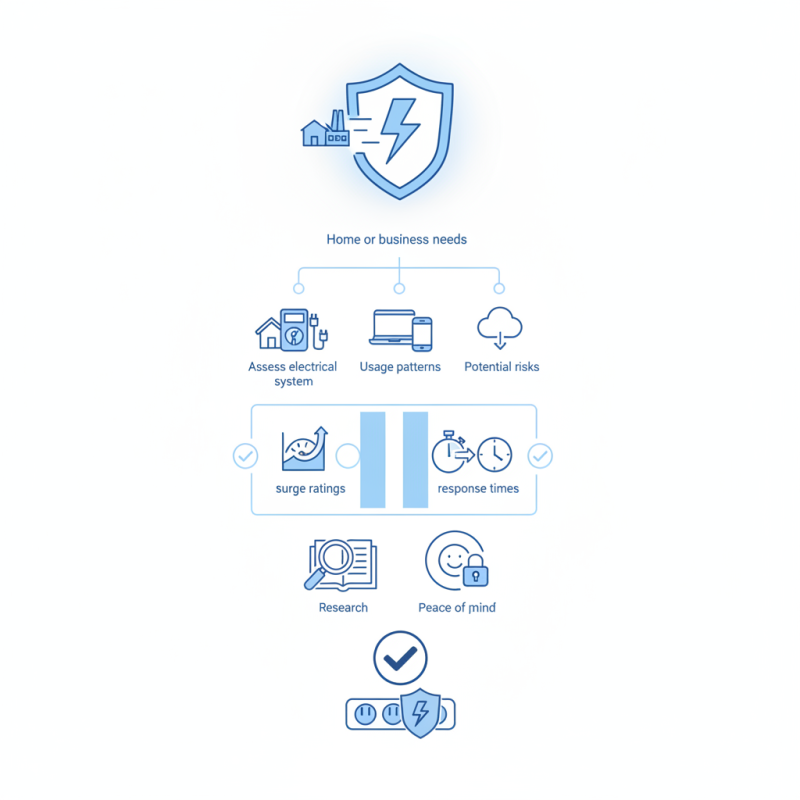
Consider the specific needs of your home or business before selecting an Electrical Surge Arrester. Different models offer various levels of protection and features. It's essential to assess your electrical system, usage patterns, and potential risks. Many people overlook this critical evaluation, which can lead to inadequate protection.
Expert insights highlight the importance of understanding surge ratings and response times. An effective arrester should match your requirements. Investing time in research will yield long-term benefits and peace of mind. Remember, not all models are created equal, and a lack of thoroughness can leave you exposed.
Understanding Electrical Surge Arresters and Their Importance
Electrical surge arresters play a crucial role in protecting electrical systems from damaging voltage spikes. A surge can occur due to lightning strikes, power outages, or faulty devices. According to the Electric Power Research Institute, more than 80% of power quality problems relate to surges. Choosing the right arrester can greatly reduce the risk of equipment failure and costly repairs.
When selecting surge arresters, consider the application and expected surge levels. Not all environments are the same, and different systems may require varying levels of protection. Some common ratings include 20kA, 40kA, or even higher, depending on the vulnerability of the electronics involved. The National Electrical Code emphasizes the importance of correctly sized surge protection devices to prevent catastrophic failures in sensitive equipment.
Moreover, the mounting and installation of surge arresters must comply with local electrical codes. Poor installation can lead to reduced performance or even failure in protecting devices. Data from the Institute of Electrical and Electronics Engineers shows that properly installed surge arresters can eliminate up to 90% of surge-related damage. Awareness of these critical details ensures a reliable defense against electrical surges.
Top 5 Tips for Choosing the Right Electrical Surge Arrester
| Tip | Description | Importance |
| Understand Your Needs | Assess the electrical systems and equipment that need protection. | Knowing what to protect helps in choosing the right specifications. |
| Check Voltage Ratings | Choose an arrester rated for the appropriate voltage levels of your system. | Using a compatible voltage rating is crucial for safety and effectiveness. |
| Assess Clamping Voltage | Determine the maximum voltage that will be allowed through to the equipment. | Lower clamping voltage can better protect sensitive electronics. |
| Consider Response Time | Select an arrester with a fast response to surges. | Quick response minimizes damage to connected devices. |
| Look for Surge Capacity | Choose an arrester with the capacity to handle potential surge currents. | Ensures that the arrester can withstand large surges without failing. |
Key Factors to Consider When Selecting a Surge Arrester
When selecting an electrical surge arrester, there are essential factors to consider. Understanding the voltage rating is crucial. Ensure the arrester can handle the voltage in your system. A mismatch may lead to failures. Look for an arrester designed for your specific application. Whether for residential or industrial use, the requirements differ.
Another aspect is the energy absorption capacity. This refers to how much surge energy the device can handle before failing. A higher capacity often means better protection. Additionally, consider the response time. A faster response time can prevent damage during sudden surges. Remember, delays can lead to equipment failure.
Finally, evaluate the safety ratings. Certifications provide assurance of reliability and performance. Not all products are created equal, and some may fall short. Regularly review your options, as technologies evolve. Being proactive can save costs in the long run. Challenge yourself to research and stay informed for better choices.
Types of Surge Arresters and Their Applications in Electrical Systems
Surge arresters play a crucial role in protecting electrical systems from voltage spikes. They come in various types, each designed for specific applications. Understanding these types and their purposes is key to making an informed choice.
There are primarily two categories of surge arresters: Type 1 and Type 2. Type 1 arresters are typically used at the service entrance, providing protection from external surges. They are essential for buildings in areas prone to lightning strikes. In contrast, Type 2 arresters are installed on the load side of the service entrance. They help shield sensitive appliances from internal surges caused by switching. Knowing where to place each type can significantly enhance safety.
When selecting a surge arrester, consider environmental factors. Ask questions about the installation site. Is it exposed to severe weather? Assess the voltage and current ratings too. This ensures compatibility with your system. Another important consideration is service life. Some arresters may need replacement after several years, depending on usage. Regular inspections help in maintaining their effectiveness. Remember that even with proper choices, unexpected surges can still occur, prompting regular reviews of your system.
Top 5 Tips for Choosing the Right Electrical Surge Arrester
This bar chart illustrates key characteristics to consider when selecting an electrical surge arrester. The data points provide insight into voltage ratings, clamping voltage, response times, energy absorption capabilities, and types of applications. Understanding these factors will help in making an informed decision.
Evaluating Surge Current Ratings and Voltage Protection Levels
When selecting an electrical surge arrester, understanding surge current ratings and voltage protection levels is critical. Surge current ratings indicate how much surge energy an arrester can handle. A typical surge protection device (SPD) can accommodate surges of up to 100 kA, as reported by the Institute of Electrical and Electronics Engineers (IEEE). However, some applications may require higher ratings, particularly in industrial settings.
Voltage protection levels (Vpl) measure the maximum voltage an arrester allows through to sensitive equipment. An appropriate Vpl depends on the equipment being protected. For example, many sensitive electronics require a Vpl of less than 1,000 volts to ensure safe operation. This specification often varies by equipment type and manufacturer guidelines.
Tip: Check the surge current rating against your local electrical codes. It’s essential to choose an arrester that meets or exceeds these regulations to ensure comprehensive protection.
Consider the environment where the arrester will be installed. Factors like humidity and temperature can influence performance. Not all arresters are equal in varying conditions. Also, remember that a higher Vpl can mean less protection for delicate devices.
Tip: Assessing the potential locations for surges can guide your decision. For commercial facilities, partnering with a knowledgeable electrician can ensure you select the right device to cover unexpected electrical spikes effectively.
The Role of Certification Standards in Choosing Quality Surge Arresters
Choosing the right electrical surge arrester is crucial for protecting sensitive electronic equipment. One major factor is understanding the role of certification standards. Certified surge arresters comply with specific industry regulations. This compliance ensures that products perform consistently and safely under electrical stress.
Industry reports reveal that surge events can lead to costly damage, with estimated annual losses exceeding $1 billion in equipment failures. Standards set by organizations like IEC and UL provide guidelines. These guidelines cover voltage ratings, impulse protection, and energy absorption. Choosing arresters that meet these standards can greatly reduce risks.
However, not all certified products guarantee optimal performance. The type of environment also matters. For outdoor installations, look for arresters with higher weather resistance ratings. Indoor units must handle lower surges but still provide adequate protection. Being informed about these factors can lead to better choices. Performance may vary, and it's essential to research specific models for real-world applications.