Top Stainless Steel Chains for Global Buyers in 2026?
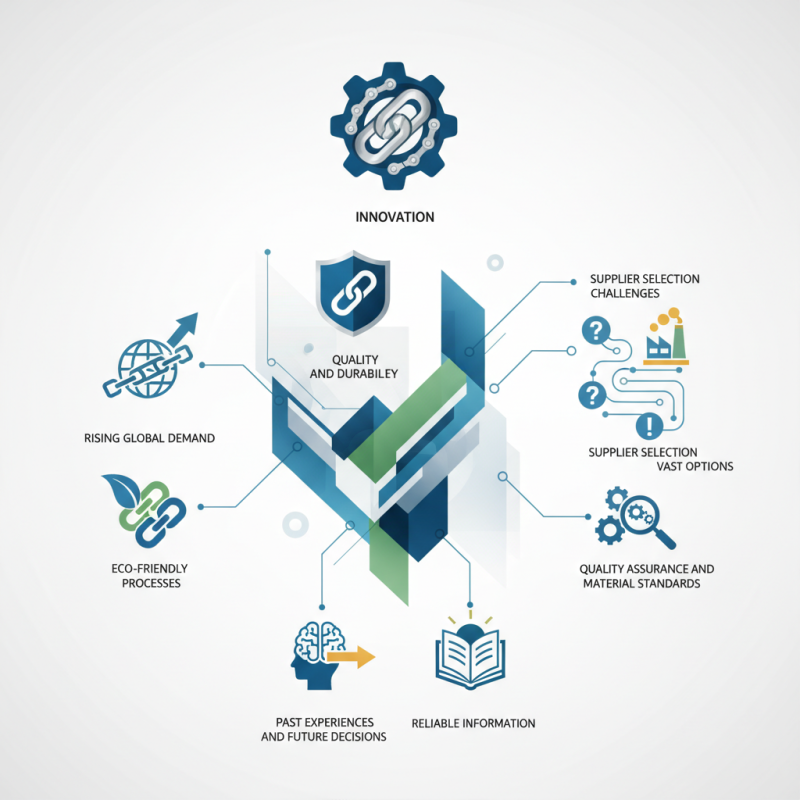
In an increasingly competitive global market, the demand for high-quality Stainless steel chains continues to rise. Experts like John Smith, a leading figure in the stainless steel industry, emphasize the importance of innovation. He stated, "Quality and durability are key in selecting stainless steel chains for diverse applications."
As buyers prepare for 2026, understanding the evolving trends in stainless steel chains becomes crucial. The industry witnesses advancements driven by technology and sustainability. Many manufacturers now focus on eco-friendly processes alongside robust chain designs. There are challenges too. Choosing the right supplier can be daunting.
Quality assurance and material standards vary significantly. Buyers often report confusion due to the vast options available. Reflecting on past experiences can guide better decisions in the future. Reliable information remains essential for success in this sector. Overall, keeping an eye on market shifts will help buyers secure the best stainless steel chains.
Top Global Markets for Stainless Steel Chains in 2026
In 2026, the global market for stainless steel chains is expected to see substantial growth. According to a recent market analysis, demand is projected to rise by over 5% annually. This uptick will be driven primarily by expanding industries such as construction and automotive, which increasingly rely on durable materials. The Asia-Pacific region, particularly, is anticipated to emerge as a leader. Countries like China and India will play pivotal roles, thanks to their rapid industrialization.
Additionally, Europe remains a significant market. The region is known for high-quality standards and innovative manufacturing processes. Recent reports indicate that Germany, France, and the UK are leading players in this market segment. This growth is fueled by advancements in technology and increasing investments in infrastructure. However, there is ongoing concern about supply chain sustainability. Producers need to consider ethical sourcing and eco-friendly practices.
Market vulnerabilities exist. Fluctuating raw material prices can impact production costs. Manufacturers need agility in their operations. In light of challenges, strategic partnerships are essential for long-term success. Addressing sustainability is no longer optional; it’s a fundamental expectation. The evolving landscape requires stakeholders to remain vigilant and adaptive.
Top Stainless Steel Chains for Global Buyers in 2026
| Market | Estimated Demand (Metric Tons) | Growth Rate (%) | Key Applications |
| North America | 25,000 | 5.2 | Automotive, Construction |
| Europe | 30,000 | 4.8 | Manufacturing, Marine |
| Asia-Pacific | 40,000 | 6.5 | Construction, Heavy Industry |
| Latin America | 15,000 | 3.6 | Agriculture, Construction |
| Middle East & Africa | 12,000 | 4.0 | Oil & Gas, Mining |
Current Trends in Stainless Steel Chain Manufacturing and Design
The stainless steel chain industry is evolving rapidly. Manufacturers are embracing new designs and production techniques. Sustainability is a growing concern among consumers and brands alike. This shift is leading to more eco-friendly materials and processes. Companies are exploring recycled materials to create strong and durable chains.
Innovative designs are capturing attention, too. The popularity of custom lengths and finishes is on the rise. Many buyers seek unique aesthetic options for their specific needs. Functional elements are also key. Chains are being engineered for various applications, from fashion to industrial uses.
Quality remains essential as competition intensifies. Buyers now focus more on the reliability of materials and craftsmanship. However, some manufacturers struggle to keep up with these standards. This can lead to inconsistency in product quality. Emerging brands may face challenges in establishing trust with consumers.
Top Stainless Steel Chains Trends in 2026
Key Players in the Stainless Steel Chain Industry: A 2026 Overview
The stainless steel chain industry is poised for significant evolution in 2026. Key players are focusing on innovation while addressing environmental concerns. Many manufacturers are investing in sustainable practices, emphasizing recycled materials in their products. This shift responds to growing consumer demand for eco-friendly options in industrial chains.
Research indicates that some companies struggle to balance cost and sustainability. The challenge lies in sourcing high-quality materials without compromising on price. Additionally, global supply chain disruptions complicate strategic planning for these manufacturers. As the market anticipates recovery, organizations must adapt swiftly to changing dynamics. Transparency in sourcing and production can enhance trust with buyers.
In terms of technological advancements, automation plays a crucial role. Many companies are exploring automated production techniques to improve efficiency and reduce waste. However, the transition can be rocky, requiring employee retraining and strategic investment. Collaboration among industry players may foster better solutions, but it's important to tread carefully. A focus on steady growth, rather than rapid expansion, may yield more sustainable results for the entire sector.
Market Analysis: Growth Projections for Stainless Steel Chains by 2026
The stainless steel chains market is set for significant growth in the coming years. According to a recent industry report, the global stainless steel chain market is projected to reach USD 7.5 billion by 2026, reflecting an annual growth rate of 4.5%. This growth is driven by rising demand across various sectors such as construction, manufacturing, and marine applications.
Manufacturers focus on durability and resistance to corrosion. Key end-users are increasingly seeking chains that meet specific quality standards. Interestingly, emerging markets in Asia Pacific are expected to contribute substantially to market growth. This region's increasing industrialization is fostering demand for high-quality stainless steel products.
Investors should consider the fluctuations in raw material prices. These can impact the overall cost structure. Moreover, technological advancements, such as the integration of smart features in chains, present both opportunities and challenges. Companies need to adapt to trends while maintaining quality. Ultimately, addressing these factors will be crucial for success in this competitive landscape.
Factors Influencing Stainless Steel Chain Demand in Various Sectors
Stainless steel chains are increasingly essential in various industries. Their durability, corrosion resistance, and aesthetic appeal drive demand. Several factors influence this demand across sectors. For example, the growing manufacturing and construction industries require robust chain solutions. These sectors prioritize strength and safety in their projects.
Technological advancements also play a role. Innovations in stainless steel production improve chain quality and reduce costs. As automation rises in manufacturing, the need for reliable chains will grow. In the food processing industry, hygiene standards push companies to invest in high-quality stainless steel chains.
Specialty chains for unique applications may become necessary as industries evolve.
Tips: When sourcing stainless steel chains, focus on suppliers with a track record. Ensure they comply with industry standards. Regular maintenance checks can extend the lifespan of chains significantly. Evaluate the application requirements to choose the right type of chain. This ensures efficiency and safety in operations. It's okay to reassess choices based on industry changes, as flexibility is key in adapting to new demands.