Top 10 Small Cement Mixer Concrete Options for Your Projects?
When tackling various construction projects, the choice of tools can significantly impact efficiency and quality. A Small Cement Mixer Concrete is an invaluable asset for both professional contractors and DIY enthusiasts. According to recent industry reports, the global concrete mixer market is projected to reach $7 billion by 2026, reflecting the growing demand for portable and versatile mixing solutions.
Small Cement Mixers are particularly beneficial for small to medium-sized projects. They enable users to mix concrete quickly and uniformly, ensuring consistent results. However, selecting the right mixer can be challenging due to the wide variety of options available. Factors like capacity, design, and power source can make a difference in performance. A report from the American Concrete Institute highlighted that improper mixing can lead to structural issues in concrete, emphasizing the importance of choosing an appropriate mixer.
While efficiency is crucial, it’s also essential to consider usability. Some models can be challenging to transport or maneuver. Reviews indicate that many users overlook this aspect, leading to frustration on site. It's vital to reflect on these practicalities when selecting Small Cement Mixer Concrete options for your projects. Balancing functionality with convenience will yield the best results in any concrete undertaking.
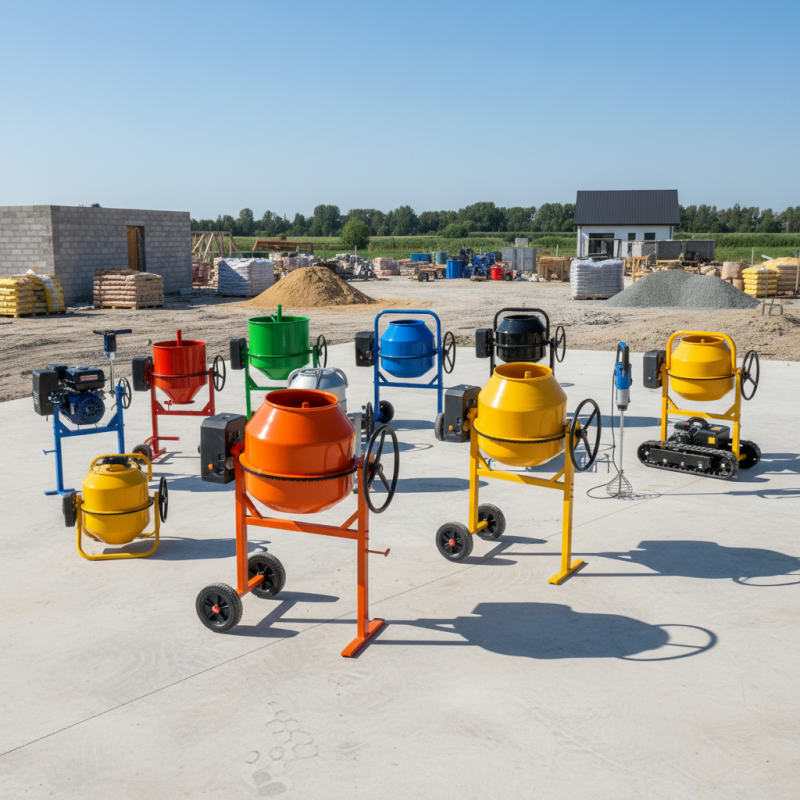
Top Features to Consider When Choosing a Small Cement Mixer
When selecting a small cement mixer, several features warrant careful consideration. Size is crucial; a compact mixer may fit better in tight spaces while still meeting your project needs. Pay attention to the capacity of the drum. A smaller mixer may hold enough materials for minor repairs, while larger drums excel in medium-sized jobs. Always think about your typical project scale.
Power source also matters. Electric mixers are convenient for residential use, while gas-powered options provide more mobility for outdoor sites. Weigh the benefits of each type. It's also worth checking how easy it is to clean the mixer after use. A design that allows for quick cleanup can save time on future projects.
Durability is a factor not to be overlooked. Materials used in construction influence the longevity of the mixer. Reading user reviews can give you insights about reliability. However, some user experiences may vary. A mixer that works for one person may not suit another’s specific situation. Keep this in mind as you research and choose the best cement mixer for your needs.
Top 10 Small Cement Mixer Concrete Options Analysis
Comparison of Popular Small Cement Mixers in the Market
When choosing a small cement mixer, options abound. Many consumers look for affordability and . A solid mixer should mix uniformly. Compact models are ideal for tight spaces but may not handle larger batches effectively.
Tips: Consider your project scale. For small jobs, a capacity of 2 to 5 cubic feet is often enough. Larger projects necessitate bigger mixers. The weight of the mixer matters too. Lighter models are easier to handle but may lack stability during operation.
Be cautious about power source. Electric mixers are quieter, while gas-powered models offer more power. Each option has pros and cons. It’s essential to weigh them based on your needs. The ease of assembly and transport should also be considered. A design that is difficult to assemble can lead to frustrations.
Pay attention to customer reviews. User experiences can reveal critical insights. Look for feedback on mixing efficiency and longevity. Sometimes, the cheapest model may cost more in repairs. Remember, long-term reliability often trumps initial cost savings.
Performance Metrics: Mixing Time and Capacity of Small Mixers
When choosing a small cement mixer, performance metrics like mixing time and capacity are crucial. Mixing time varies significantly among models. Some mixers can blend concrete in about 3 minutes. Others may take up to 10 minutes for a thorough mix. A shorter mixing time can save you hours on larger projects. It's important to match the mixing speed with your work requirements.
Capacity is another key factor. Small mixers typically range from 1 to 3 cubic feet. This can influence how much concrete you can pour in one batch. For small home projects, a 2 cubic feet mixer can be sufficient. However, if you need to cover larger areas, a mixer with a higher capacity may be necessary. Mixing too much or too little can lead to wasted materials.
It’s essential to consider both factors together. A mixer that is fast but has a low capacity might hinder efficiency. Conversely, a high-capacity mixer with longer mixing times can delay your project. Assessing these performance metrics will help you find a balanced option that aligns with your specific project needs. Each aspect requires thoughtful consideration to ensure you choose an appropriate small mixer for your tasks.
Top 10 Small Cement Mixer Concrete Options for Your Projects
| Mixer Model | Mixing Capacity (Cubic Feet) | Mixing Time (Minutes) | Weight (Pounds) | Power (HP) |
| Model A | 3.5 | 10 | 150 | 1.5 |
| Model B | 4.0 | 8 | 160 | 2.0 |
| Model C | 3.0 | 12 | 140 | 1.0 |
| Model D | 5.0 | 9 | 180 | 2.5 |
| Model E | 2.5 | 11 | 130 | 1.5 |
| Model F | 4.5 | 7 | 170 | 2.0 |
| Model G | 3.7 | 10 | 155 | 1.8 |
| Model H | 4.2 | 9 | 160 | 2.3 |
| Model I | 3.8 | 10 | 145 | 1.6 |
| Model J | 4.1 | 8 | 165 | 2.2 |
Cost Analysis: Budgeting for Small Cement Mixers in Your Projects
When budgeting for a small cement mixer, several factors play a crucial role. Generally, these mixers range in price from $300 to $1,500, depending on specifications and features. According to the Construction Equipment Manufacturers Association, investing in a quality mixer can enhance project efficiency and reduce time. However, a budget-conscious choice may sometimes lead to compromises in durability and performance.
In a report by the National Association of Home Builders, 62% of contractors report that operational costs for mixers influence their purchasing decisions. Maintenance is often overlooked; service can add up to 10-15% of total expenses annually. Small mixers require regular upkeep, which can affect overall project budgets. Skilled contractors recommend considering long-term costs before making a purchase.
Moreover, the concrete mixing capacity is vital. Mixers with a higher capacity might seem expensive but can save money on larger projects. Assessing the specific project needs ensures that unnecessary expenditure is avoided. While cheaper models might attract initial interest, they may lead to higher costs due to potential breakdowns or inefficiencies. Investing in options that align with practical usage often yields better results in the long run.
Maintenance Tips for Ensuring Longevity of Cement Mixers
Maintaining your small cement mixer is crucial for longevity. Regular cleaning is necessary after each use. Cement residue can build up and rust the drum. Using water and a stiff brush can effectively remove hard deposits. Pay attention to the mixer’s blades, too. If they become worn or damaged, replace them to ensure consistent mixing performance.
Lubrication plays a vital role in the mixer’s upkeep. Grease the bearings and other moving parts periodically. This reduces friction and prevents wear, extending the mixer’s life. Inspect electrical components regularly. Look for loose wires or connections that might pose safety risks. Ignoring these issues can lead to severe malfunctions.
Keep the mixer covered when not in use. Exposure to the elements can degrade its materials over time. Store it in a dry area to prevent rust. Assess the mixer’s condition periodically. Look for cracks or unusual noises during operation. Address any concerns quickly. Neglect could lead to costly repairs down the line.