Top 10 Multi Parameter Water Quality Analyzers at China Import Expo?
The demand for advanced environmental monitoring solutions is increasing globally. Among these solutions, the multi parameter water quality analyzer plays a crucial role. These devices assess multiple water quality parameters simultaneously, significantly improving efficiency in water testing.
Recent reports indicate that the global water quality testing market is expected to reach $4.5 billion by 2027. Water quality analyzers are key instruments in various industries, including manufacturing, healthcare, and agriculture. Their ability to provide real-time data enhances decision-making processes.
At the upcoming event in China, the focus will be on showcasing innovations in this field. However, there are concerns over the need for stringent quality standards. Many suppliers may not meet all required certifications. The integration of AI and smart navigation at expos reflects a shift toward better efficiency in sourcing reliable equipment. Selecting the right multi parameter water quality analyzer can be challenging, but it is essential for ensuring sustainability.
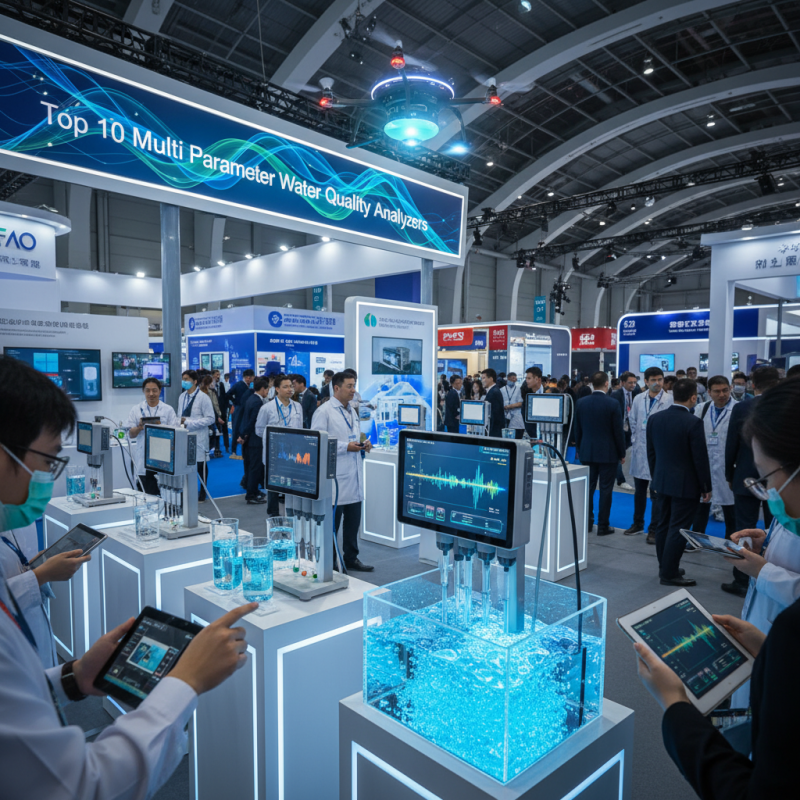
Overview of Multi-Parameter Water Quality Analyzers
Water quality analyzers play a vital role in monitoring water conditions. Multi-parameter devices allow for simultaneous analysis of various elements. These tools measure pH, dissolved oxygen, turbidity, and more. This efficiency saves time and resources in testing.
When selecting a water quality analyzer, consider portability. A compact device is easier to transport. Battery life is essential too. Long-lasting batteries reduce interruptions during fieldwork. Accuracy should never be compromised; choose models with proven reliability.
**Tip:** Regular calibration is crucial for maintaining measurement precision. Environmental conditions can affect readings. Always follow manufacturer guidelines for calibration frequency.
Despite advancements, some users report challenges with user interfaces. A complex interface can hinder effective use. It’s worth seeking devices known for user-friendliness. Training can mitigate some barriers, but intuitive design is ideal.
**Tip:** Read user reviews to gauge the learning curve of a device. Real user experiences provide practical insights into functionality and ease of use.
Key Features to Consider When Choosing Water Quality Analyzers
When selecting a multi-parameter water quality analyzer, several key features are crucial. Sensitivity is one of them. An ideal analyzer should detect even the smallest changes in water quality. Calibration capabilities also matter. A device that can be calibrated easily is more user-friendly. Simplicity in operation saves time and reduces errors.
Durability is another factor to consider. A robust design withstands harsh environments. Look for features like waterproofing and shock resistance. Portability can be beneficial too. Many users need to test water in various locations. A lightweight device with a compact design is ideal.
Data logging features are essential for monitoring trends. An analyzer that stores data helps track changes over time. Connectivity is vital as well. Wi-Fi or Bluetooth capabilities allow for easy data transfer. Ultimately, balancing these features can be challenging. Some devices excel in one area but falter in another. Evaluating these aspects based on specific needs is essential for making an informed decision.
Top Brands Showcased at the China Import Expo
The China Import Expo features many innovative water quality analyzers. These devices assess multiple parameters simultaneously. They are essential for maintaining water quality in various sectors. The event showcases the latest advancements in technology, highlighting the importance of precise measurements.
Tips: Focus on user-friendly interfaces. Analyzers should simplify complex data interpretation. Look for portable models that facilitate on-site testing. Ease of use can significantly impact efficiency.
Each analyzer has its unique set of features and capabilities. Some excel in speed, while others emphasize reliability. Consumers often find it challenging to choose the right match for their needs. Analyzers may offer a plethora of parameters, but not all are necessary. It’s crucial to identify core requirements before purchasing.
Tips: Prioritize your needs over trends. Not every feature will be beneficial for your situation. Take time to evaluate which parameters truly matter. This reflection can save time and resources in the long run.
Top 10 Multi Parameter Water Quality Analyzers at China Import Expo
| Model | Parameters Measured | Measurement Range | Accuracy | Features |
| Model A | pH, DO, Conductivity | 0-14 pH, 0-20 mg/L, 0-1000 µS/cm | ±0.01, ±0.2 mg/L, ±1 µS/cm | Wireless Connectivity, Data Logging |
| Model B | pH, TDS, ORP | 0-14 pH, 0-5000 ppm, -2000 to +2000 mV | ±0.01, ±5 ppm, ±1 mV | User-Friendly Interface, Rechargeable Battery |
| Model C | pH, Turbidity, Salinity | 0-14 pH, 0-400 NTU, 0-35 ppt | ±0.01, ±2 NTU, ±0.2 ppt | Rugged Design, IP67 Waterproof |
| Model D | pH, Conductivity, BOD | 0-14 pH, 0-2000 µS/cm, 0-100 mg/L | ±0.01, ±2 µS/cm, ±1 mg/L | Real-time Monitoring, Multi-User Access |
| Model E | pH, DO, NH4+ | 0-14 pH, 0-20 mg/L, 0-5 mg/L | ±0.01, ±0.2 mg/L, ±0.05 mg/L | Portable, Long Battery Life |
Emerging Technologies in Water Quality Analysis
Emerging technologies in water quality analysis are rapidly transforming the landscape of environmental monitoring. Recent reports indicate that the global market for water quality testing is projected to reach over $4 billion by 2025. This growth reflects the increasing demand for efficient and accurate measurement systems. Advanced multi-parameter water quality analyzers are at the forefront of this change, offering real-time data on multiple contaminants.
These analyzers now utilize cutting-edge sensors that can detect parameters such as pH, turbidity, nitrates, and dissolved oxygen simultaneously. Many devices are automated, requiring minimal manual intervention. However, they may still struggle with calibrating in extreme conditions. A recent study showed that about 30% of inaccurate readings stem from improper calibration techniques. This illustrates the need for ongoing training and maintenance in using these advanced tools.
In addition, emerging technologies like IoT-enabled devices facilitate remote monitoring and data sharing. IoT systems allow continuous tracking of water quality in real-time. Yet, challenges remain. Outcomes can vary based on environmental factors. Collaboration between research communities and the industry is crucial in addressing these imperfections. Continuous innovations will pave the way for improved accuracy and reliability in future water quality assessments.
Market Trends and Future Innovations in Water Quality Testing
The field of water quality testing is evolving rapidly. As environmental concerns escalate globally, demand for advanced analyzers grows. According to a recent market report, the water quality testing market is expected to reach $4.68 billion by 2027, reflecting a compound annual growth rate of 7.6% from 2020. This trend signals a pressing need for innovative solutions in the sector.
Many recent innovations focus on multi-parameter water quality analyzers. These devices measure multiple indicators like pH, turbidity, and dissolved oxygen in real-time. Such capabilities allow for more comprehensive monitoring. However, reliability remains a frequent concern. Data accuracy must improve; current technologies sometimes yield inconsistent results.
Future innovations may address these issues with artificial intelligence and machine learning. These technologies promise enhanced prediction capabilities, ensuring better water management decisions. However, the integration of AI is also met with skepticism. The industry must maintain a balance between technology and traditional methods to ensure effective water quality management.