Top 10 Heat Shrink Wrap Solutions for Global Buyers?
In the ever-evolving packaging industry, "Heat Shrink Wrap" serves as a vital solution for product protection. Industry expert John McKinley states, "The right heat shrink wrap can enhance product integrity and shelf life.” This highlights the importance of selecting the optimal shrink wrap, especially for global buyers facing diverse needs.
Navigating the multitude of options can be challenging. The wrong choice can lead to product damage, resulting in costly losses. It's crucial to focus on quality and reliability when investing in heat shrink wrap solutions. Different materials, sizes, and applications can significantly impact effectiveness.
Understanding the unique demands of your products is essential. Not all heat shrink wraps are created equal. Some may fail under certain conditions. Buyers should prioritize thorough research and expert opinions. Choosing wisely can prevent future headaches and ensure your products remain in top condition.
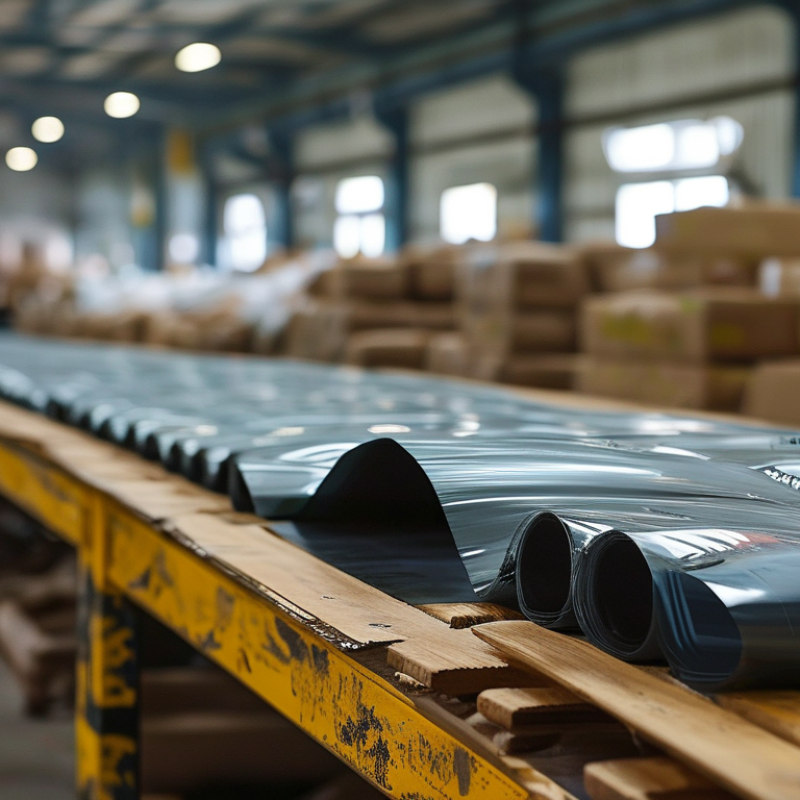
Top 10 Heat Shrink Wrap Solutions for Global Buyers
Heat shrink wrap has revolutionized packaging solutions across various industries. The global market for heat shrink packaging was valued at approximately $5 billion in 2022 and is expected to grow steadily at a CAGR of 4.5% through 2030. This increase is driven by rising demand for efficient packaging in food, electronics, and pharmaceuticals. As a global buyer, understanding the nuances of these solutions can significantly enhance packaging strategies.
Choosing the right heat shrink wrap is critical for product safety and presentation. Materials vary widely, with options like PVC, polyethylene, and polyolefin, each offering distinct benefits. PVC is popular for its clarity and strength, while polyolefin is preferred for its versatility and eco-friendliness. Industry reports indicate that nearly 45% of manufacturers prefer polyolefin due to its superior performance and heat resistance. Yet, a common oversight is not considering the specific application needs, which can lead to inefficiencies.
When selecting a heat shrink wrap solution, attention to detail is vital. Sizing the wrap accurately is crucial; a poor fit may compromise the packaging integrity. It is also important to stay updated with technological advancements. Automation in the application process can improve efficiency, but not every business can afford the latest equipment. Reflecting on these challenges can help global buyers make informed decisions that balance cost with quality and performance.
Top 10 Heat Shrink Wrap Solutions for Global Buyers
| Solution ID | Material Type | Thickness (mm) | Width (cm) | Length (m) | Temperature Resistance (°C) | Color Options |
| 001 | Polyolefin | 0.15 | 10 | 100 | -40 to 90 | Clear, Blue, Red |
| 002 | PVC | 0.2 | 15 | 50 | -30 to 80 | Black, Green |
| 003 | Fluoropolymer | 0.25 | 20 | 30 | -60 to 200 | White, Yellow |
| 004 | Polyester | 0.3 | 25 | 40 | -70 to 120 | Transparent, Dark Blue |
| 005 | Nylon | 0.4 | 30 | 20 | -50 to 90 | Red, Clear |
| 006 | Polyethylene | 0.15 | 12 | 150 | -40 to 85 | Black, Blue |
| 007 | Polypropylene | 0.2 | 8 | 60 | -30 to 95 | Clear, Green |
| 008 | EVA | 0.3 | 14 | 25 | -40 to 110 | Transparent, Red |
| 009 | Acrylic | 0.35 | 18 | 12 | -20 to 100 | Blue, Yellow |
| 010 | PET | 0.2 | 22 | 50 | -50 to 120 | Clear, Grey |
Understanding the Basics of Heat Shrink Wrap Technology
Heat shrink wrap technology has gained popularity across various industries. This process involves using a polymer material that shrinks when heated. It provides a protective layer for products, ensuring safer transport and storage. As products undergo this process, their shapes become tightly encased. This not only improves appearance but also adds a layer of durability.
Understanding the materials used is essential. Common options include PVC, polyethylene, and polyolefin. Each of these materials has unique properties that cater to specific needs. For example, polyolefin is known for its clarity and strength, making it ideal for retail packaging. However, mastering heat shrink wrap technologies can be challenging. Overheating can lead to deformation, while insufficient heat may not provide optimal sealing.
Investing in the right equipment is equally crucial. Shrink tunnels and hand-held heat guns offer distinct advantages. However, not all solutions are one-size-fits-all. A learning curve is often involved. Many find it beneficial to experiment to achieve perfect results. Proper training in handling these tools can significantly enhance output quality.
Key Applications and Industries Utilizing Heat Shrink Wrap
Heat shrink wrap serves a vital role across various industries. According to a recent market report, the global heat shrink film market is expected to reach $7 billion by 2026. This growth underscores the increasing demand across sectors such as food packaging, electronics, and pharmaceuticals.
In the food industry, heat shrink wraps ensure product freshness and enhance shelf life. A study from a packaging research center highlights that 70% of consumers prefer products with secure, tamper-proof seals. However, challenges exist in balancing sustainability and performance. Many producers face difficulties in sourcing eco-friendly shrink films that meet safety standards without sacrificing functionality.
The electronics sector also heavily relies on heat shrink applications for insulation and protection. The global electronics market projected a value of $4 trillion by 2025 indicates significant opportunities for heat shrink products. Yet, companies must navigate complexities in material choices and compatibility. Proper material selection is essential to avoid product failures, which can lead to costly recalls. These dilemmas highlight the necessity for ongoing innovation and improvement within the heat shrink wrap industry.
Factors to Consider When Choosing Heat Shrink Wrap Solutions
When choosing heat shrink wrap solutions, several factors are critical. The material type plays a significant role in performance. Polyolefin and PVC are common choices. Polyolefin is preferred for its flexibility and resistance to UV light. According to industry reports, polyolefin sales are projected to grow at a CAGR of 5% through 2025.
Another factor is the size and thickness of the shrink wrap. Different applications require varying dimensions. For instance, larger packages need thicker materials to ensure protection during transit. The ASTM D638 standard provides insight into material strength requirements for diverse applications. Adhering to these guidelines can affect the durability of the shrink wrap.
Temperature and shrinking time are also essential considerations. Different wraps require specific heat settings for optimal results. Many users overlook this, leading to poor shrinkage and damage. A recent survey noted that over 20% of users faced challenges due to incorrect temperature settings. Getting it right is crucial for maintaining package integrity. Understanding these factors can help buyers make informed decisions in the competitive market.
Comparative Analysis of Popular Heat Shrink Wrap Products
When exploring heat shrink wrap solutions, it’s vital to compare features across products. Not all wraps offer the same durability or shrink rate. Some may provide excellent insulation, while others excel in clarity. Each type serves different needs.
Choosing the right heat shrink wrap can be challenging. For example, some options perform well in low temperatures, but struggle in high heat. Consider application requirements carefully. It’s useful to test samples before finalizing your order.
Tips: Always check the specifications for thickness and compatibility. This affects performance significantly. Evaluate the potential environmental conditions where the wrap will be used. Adjustments might be necessary based on real-world usage. Being aware of these variables can save costs and improve outcomes.
Conclusion
The article titled "Top 10 Heat Shrink Wrap Solutions for Global Buyers" provides a comprehensive overview of heat shrink wrap technology, its applications, and factors influencing the selection of suitable solutions. It elaborates on the various industries that benefit from heat shrink wrap, including manufacturing, logistics, and packaging, highlighting its versatility and effectiveness in protecting products during storage and transportation.
Furthermore, the article features a comparative analysis of popular heat shrink wrap products, offering insights into their unique characteristics and advantages. It also serves as a valuable resource for global buyers by presenting a list of reputable suppliers and distributors specializing in heat shrink wrap solutions. By understanding the essential components and market options, buyers can make informed decisions when selecting heat shrink wrap that best meets their needs.