What is a small vacuum pump and how does it work?
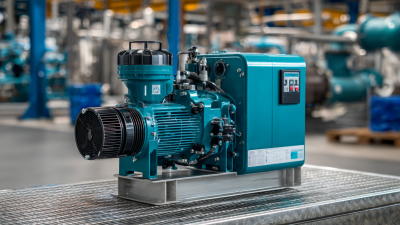
A small vacuum pump is a compact device but plays a significant role in various applications. These pumps create a vacuum by removing air and other gases from a sealed chamber. Often used in laboratories, manufacturing, and even in households, they have become indispensable tools. The mechanics behind a small vacuum pump involve different types, such as diaphragm or rotary vane, each working uniquely to achieve the desired low pressure.
Understanding how a small vacuum pump operates is essential for users to maximize its potential. The process begins with the pump drawing in air, then expelling it while trapping any residual gases. This cycle generates a vacuum—a space devoid of matter. Users may underestimate the complexity involved in achieving a stable vacuum.
However, many may not realize the importance of proper maintenance. Without care, a small vacuum pump may lose efficiency. Regular cleaning and timely parts replacement help sustain performance. Overall, these pumps currently serve diverse fields, from food packaging to scientific research, showcasing their versatility and significance in modern technology.
What is a Small Vacuum Pump? Definition and Types Explained
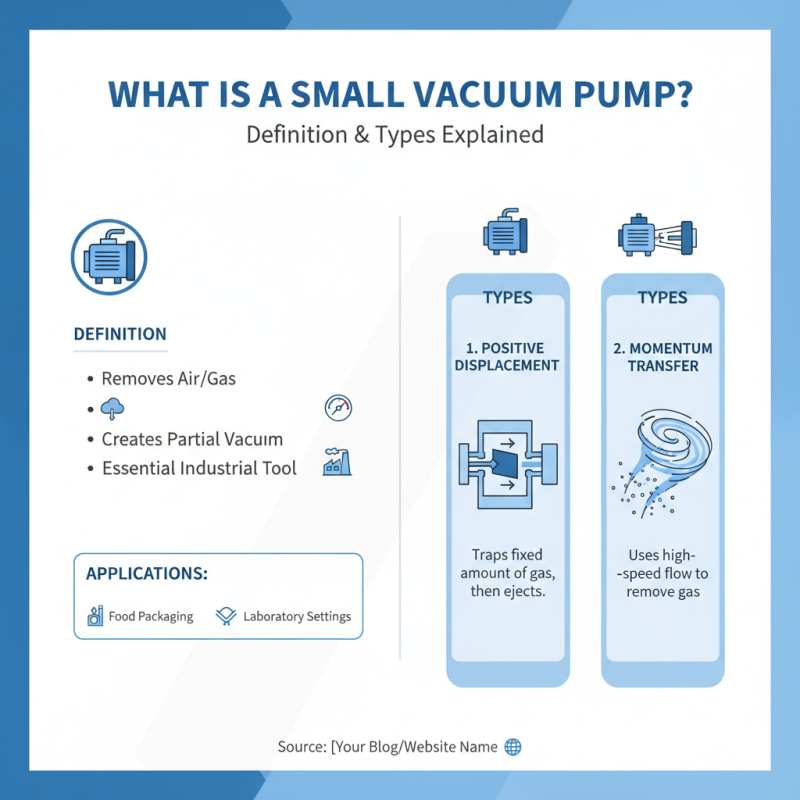
Small vacuum pumps are essential tools used across various industries. They create a partial vacuum by removing air or gas. This function is crucial in applications like food packaging, pharmaceuticals, and laboratory settings. The two main types of small vacuum pumps are positive displacement and momentum transfer pumps. Positive displacement pumps trap a fixed amount of air and eject it, while momentum transfer pumps use high-speed flows to remove air.
According to industry reports, the global vacuum pump market is expected to reach USD 3.3 billion by 2027. Small vacuum pumps hold a significant market share, driven by their versatility and efficiency. These pumps are vital for tasks like transferring liquids, filtering air, and driving pneumatic systems. Many small vacuum pumps are portable, making them suitable for various on-site applications.
While small vacuum pumps offer many benefits, challenges exist. Maintenance is often overlooked, leading to reduced efficiency. Users may not fully understand the specifications needed for their applications, causing inappropriate selections. This highlights the importance of proper sourcing and knowledge in choosing the right pump. Investing in training and manuals can help users utilize these tools effectively.
The Operating Principle of Small Vacuum Pumps: How They Create Vacuum
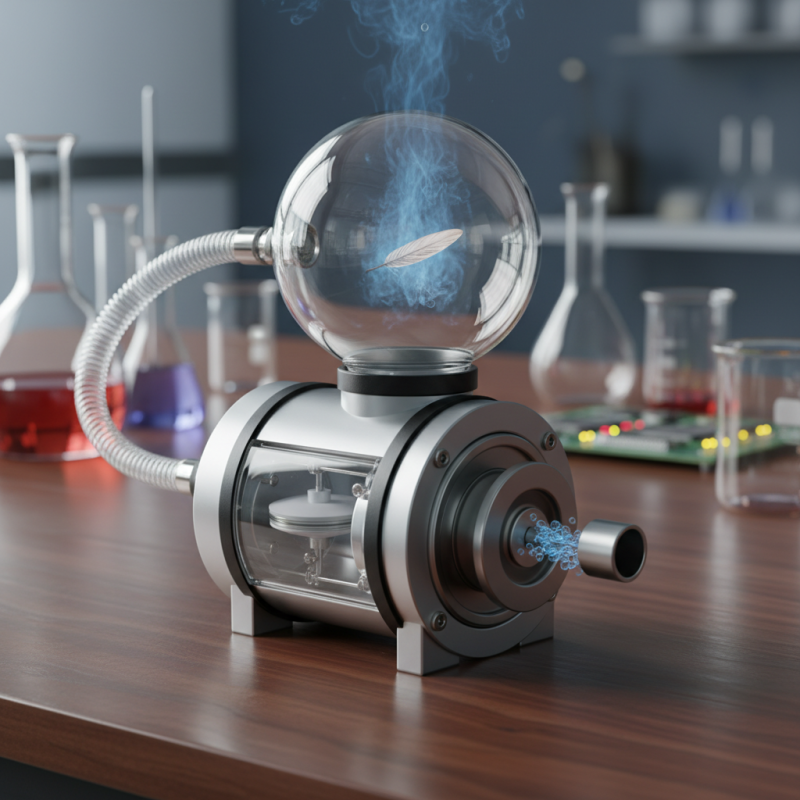
Small vacuum pumps are essential tools used in various applications, from scientific research to industrial processes. Understanding their operating principle is key to appreciating their role. Small vacuum pumps function by removing air and gases from a sealed environment, creating a vacuum. This process typically involves a mechanism that traps air, compresses it, and then expels it to the outside atmosphere.
There are different types of small vacuum pumps, including rotary vane pumps and diaphragm pumps. Each type offers distinct advantages based on the specific application. For instance, rotary vane pumps are commonly used in scenarios requiring a high flow rate. The efficiency of these pumps relies on precise engineering, which can sometimes lead to maintenance issues. Regular checks for wear and tear are crucial to ensure optimal performance.
**Tip:** Always consider the pump's specifications before purchasing. Match the pump to your application needs.
Another important aspect is noise level. Some small vacuum pumps can be quite loud during operation. This may not be suitable for all environments. Using noise-reducing enclosures can help mitigate sound without affecting performance.
**Tip:** Read user reviews and ratings to gauge reliability. Genuine feedback can guide your decision effectively.
In conclusion, small vacuum pumps are vital for creating vacuums. Understanding their workings and taking care of them increases their lifespan and reliability. Regular maintenance and setting realistic expectations can significantly enhance your experience with these machines.
What is a small vacuum pump and how does it work? - The Operating Principle of Small Vacuum Pumps: How They Create Vacuum
| Dimension |
Description |
| Pump Type |
Diaphragm Pump, Vane Pump, Piston Pump |
| Typical Applications |
Lab work, medical devices, packaging, automotive systems |
| Operating Principle |
Reduces pressure by displacing air, creating a vacuum environment. |
| Size Range |
Small units typically range from a few grams to several kilograms. |
| Vacuum Level |
Can achieve vacuum levels from rough vacuum to high vacuum. |
| Power Source |
Electric, pneumatically operated, or manually operated. |
| Noise Level |
Generally designed to operate quietly, ranging from 40 dB to 70 dB. |
Applications of Small Vacuum Pumps in Various Industries
Small vacuum pumps play a crucial role in various industries. They create a vacuum by removing air or gas from a sealed environment. This process allows for many applications, enhancing productivity and efficiency across these sectors. In the food packaging industry, for instance, they help maintain freshness by removing air from packaging. This extends shelf life significantly. It's essential that these pumps operate reliably to prevent spoilage.
In the pharmaceutical sector, small vacuum pumps are vital for processes such as filtration and drying. They ensure that contaminants are removed efficiently, maintaining the purity of products. Additionally, they are used in laboratories for tasks like evaporating solvents. While errors in setup can lead to contamination, the overall reliability of these pumps makes them indispensable in critical applications. The need for regular maintenance cannot be overlooked, as wear and tear can impact performance.
Automation in manufacturing also benefits from small vacuum pumps. They assist in tasks like pick-and-place operations, where precision is key. Creating a vacuum allows for the secure handling of fragile components. However, operators must remain vigilant; a lapse in monitoring can result in malfunction. Each application showcases the versatility and importance of these pumps while highlighting the need for constant assessment of their performance.
Applications of Small Vacuum Pumps in Various Industries
Key Performance Metrics: Understanding Flow Rate and Ultimate Vacuum
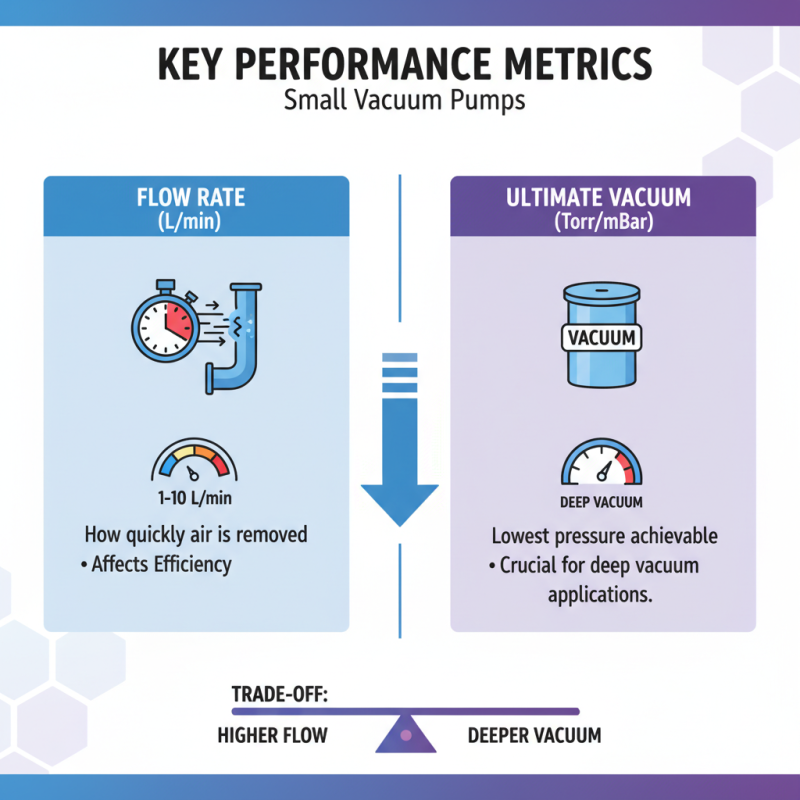
A small vacuum pump is vital in many applications, from laboratory settings to industrial uses. Understanding its performance metrics, particularly flow rate and ultimate vacuum, is crucial for optimal operation. The flow rate indicates how quickly air can be removed from a system. Typically measured in liters per minute (L/min), this metric affects efficiency. Standard small vacuum pumps can achieve flow rates between 1 to 10 L/min. However, achieving higher flow rates often requires a trade-off with maintaining a deep vacuum.
Ultimate vacuum is the lowest pressure that a pump can achieve. It's measured in units like torrs or Pascals. Many small vacuum pumps can reach pressures as low as 10^-2 torr. This level of vacuum is essential for applications like freeze-drying, which requires an environment free from moisture. However, it's important to select a pump that balances flow rate and ultimate vacuum according to specific application needs. High flow rates may lead to less ultimate vacuum and vice versa.
In practice, not all setups will allow for ideal conditions. Variations in ambient temperature and pressure can affect performance. Consistent monitoring and adjustments could be necessary. Understanding these metrics helps users optimize their small vacuum pump while facing potential challenges in real-world conditions.
Maintenance Tips for Small Vacuum Pumps to Ensure Longevity and Efficiency
Small vacuum pumps are essential tools in various industries. Proper maintenance is crucial for their longevity and efficiency. Regular maintenance can prevent costly repairs and downtime.
One key tip is to check the oil levels frequently. Low oil can lead to overheating and damage. Ensure the oil is clean; contaminated oil can impair performance. Another essential aspect is to inspect the filters regularly. Clean or replace them as needed. Dirty filters can reduce airflow and vacuum efficiency.
Don’t overlook the importance of locating and fixing leaks. Even small leaks can significantly impact performance. Use soapy water to find hidden leaks around connections. Additionally, keep the pump clean and dust-free. Dust accumulation can affect the pump's operation. Schedule routine inspections, if possible. These practices are foundational for anyone relying on a small vacuum pump.