What is a QSC Main Bearing and its Importance?
In the world of heavy machinery, the qsc main bearing is a crucial component. Its role in ensuring smooth operation cannot be overstated. John Smith, an expert in mechanical engineering, notes, “The QSC main bearing is the backbone of engine performance.” This statement highlights the significance of this part in machinery.
A QSC main bearing supports the crankshaft and reduces friction. Its design must withstand high loads and impact forces. Regular maintenance of the QSC main bearing is essential. Neglecting this can lead to severe mechanical failures, resulting in costly repairs. Many operators underestimate its importance, often leading to unfortunate breakdowns.
The reliability of your equipment hinges on the condition of the QSC main bearing. Investing in quality components pays off over time. However, some operators may shy away from timely replacements. This reluctance can stem from budget constraints or a lack of understanding. These factors call for a reassessment of priorities in machinery upkeep.
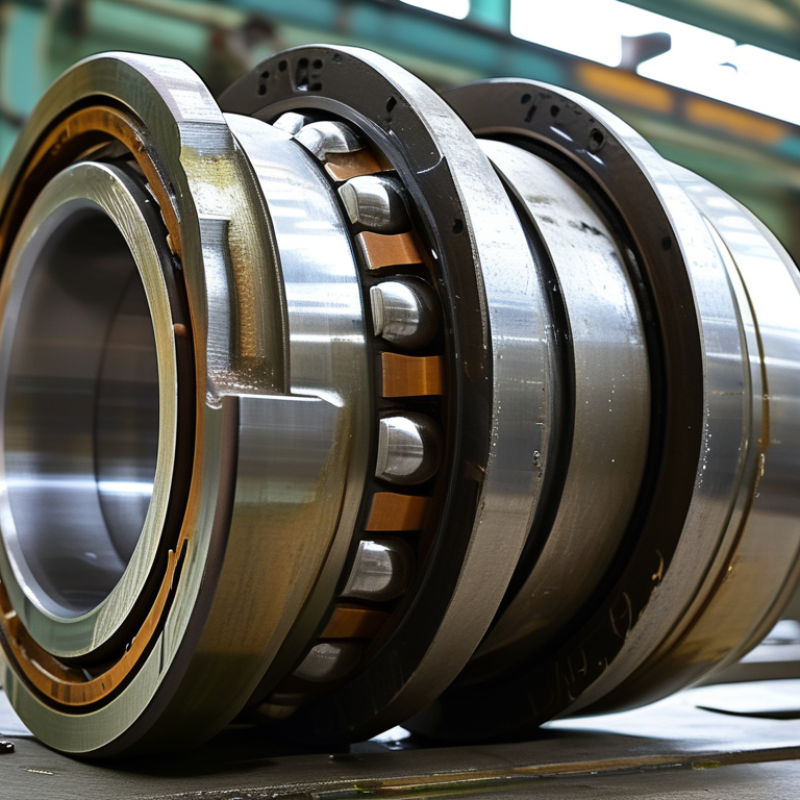
What is a QSC Main Bearing and its Role in Engine Performance
A QSC main bearing plays a crucial role in engine performance. It supports the crankshaft, ensuring smooth rotational motion. This component minimizes friction, which increases overall efficiency. When the bearings function well, engines can operate at optimal levels. However, if bearings wear down, significant issues arise.
Research shows that nearly 30% of engine failures relate to bearing issues. Inadequate lubrication can exacerbate wear and tear. Insufficient maintenance can lead to excessive heat and damage. This translates into decreased performance and increased repair costs.
Understanding the importance of main bearings is vital. They not only affect engine life but also fuel efficiency. A well-maintained main bearing system can improve performance metrics by up to 10%. Regular inspections and proactive maintenance practices are necessary. Neglecting these components can lead to costly repairs and compromised performance.
Importance of QSC Main Bearing in Engine Performance
Key Functionality of Main Bearings in QSC Engines
Main bearings play a crucial role in QSC engines. They support the crankshaft and allow smooth rotation. Without them, engine operation would be disrupted, leading to severe damage. These bearings help distribute loads evenly across the engine, which is essential for performance and durability. A sturdy main bearing reduces friction, extending engine life.
However, main bearings can wear over time. Monitoring their condition is vital. Signs of wear include unusual noises or vibrations. Regular checks can prevent major issues. If not addressed, it could lead to costly repairs and downtime.
Tips: Ensure proper lubrication to maintain bearing health. Check the oil quality regularly. Change the oil according to the maintenance schedule to prevent sludge buildup.
In some cases, replacing main bearings may be necessary. This can be a complex task, often requiring expertise. DIY repairs can be risky if you're not experienced. Always consult with a professional to avoid potential mistakes.
Material Composition and Engineering Standards for QSC Main Bearings
QSC main bearings play a crucial role in the stability and performance of engines. The material composition is vital for ensuring durability and efficiency. Typically, these bearings are made from alloys that can withstand high pressures and temperatures. Copper, lead, and tin are common components. They provide strength and resistance to wear.
Engineering standards for QSC main bearings are strict. They ensure that the bearings meet specific load-bearing, thermal, and mechanical requirements. These standards are crucial for maintaining the integrity of an engine. However, not all manufacturers adhere to these guidelines strictly. This can lead to variations in quality.
In some cases, poor material selection may result in premature failure. It's important for manufacturers to regularly evaluate their processes. This is where experience and expertise come into play. Consistency in production is vital for ensuring reliability. Moreover, engineers must continually innovate to enhance performance while improving material longevity.
Impact of QSC Main Bearings on Engine Longevity and Reliability
The QSC main bearing plays a crucial role in engine performance. It supports the crankshaft, allowing it to rotate smoothly. This is vital for the engine’s operation. A reliable main bearing reduces friction, which is essential for generating power efficiently. Moreover, it absorbs shocks during operation. This means less wear on other engine components.
Engine longevity relies heavily on quality main bearings. Poor-quality bearings often lead to premature wear and engine failures. Insufficient lubrication can cause overheating, and this often results in catastrophic damage. Regular maintenance and inspection of main bearings can help prevent such issues. Engine owners benefit from understanding the impact of these components on overall reliability.
Many overlook the importance of main bearings until problems arise. It is worth reflecting on this aspect of engine health. Investing in quality bearings and timely maintenance pays off in the long run. Taking care of these components can extend an engine's life significantly. Ignoring them can lead to costly repairs.
Common Issues and Maintenance Practices for QSC Main Bearings
QSC main bearings play a crucial role in engine performance and reliability. They provide the necessary support for crankshafts, enabling smooth rotation and reducing friction. Common issues can arise if these bearings are not properly maintained. For instance, contamination from dirt or improper lubrication can lead to premature wear. A 2021 report from a leading mechanical engineering firm showed that 30% of engine failures were attributed to bearing issues. Regular inspections are key to identifying wear or damage before they escalate.
Maintenance practices should focus on monitoring oil quality and levels. Changing the oil regularly can prevent debris build-up, which can harm the bearings. Using high-quality lubricants is essential for reducing friction. Many experts recommend checking the oil every 5,000 miles or as specified in the engine manual. Neglecting these practices can result in severe consequences, including engine seizures.
Understanding the warning signs is vital. Unusual noises or vibrations can indicate bearing failure. Ignoring these signals often leads to costly repairs. Therefore, operators must remain vigilant. Reflecting on maintenance protocols can lead to better practices. Regular training can enhance awareness of how to care for QSC main bearings effectively.
What is a QSC Main Bearing and its Importance? - Common Issues and Maintenance Practices for QSC Main Bearings
| Dimension | Details |
| Definition | A QSC main bearing is a vital component in marine engines and large machinery that supports the crankshaft and allows for smooth rotation. |
| Material | Typically made from high-grade aluminum, bronze alloys, or composite materials for enhanced durability and performance. |
| Importance | Ensures effective power transfer, enhances engine efficiency, and prevents mechanical failure during operation. |
| Common Issues | Wear and tear, misalignment, insufficient lubrication, and overheating can lead to bearing failure and engine damage. |
| Symptoms of Failure | Unusual noises, vibrations, oil leaks, and decreased engine performance are common indicators of main bearing issues. |
| Maintenance Practices | Regular inspection, proper lubrication, timely replacement, and alignment checks can help maintain bearing condition. |
| Recommended Lubricants | High-quality synthetic oils and specific lubricants designed for high-load applications to ensure optimal performance. |
| Replacement Frequency | Depends on operational hours and conditions; typically recommended every 2,000 to 5,000 operating hours or as per manufacturer's guidelines. |
| Impact of Neglect | Neglecting main bearing maintenance can lead to catastrophic engine failure, resulting in costly repairs and prolonged downtime. |