
How to Choose the Right Storm Window in 2026?
Choosing the right Storm Window in 2026 requires more than comparing prices or glass thickness. A suitable unit should match your climate, existing window, ventilation needs, and installation conditions. Wind-driven rain, winter drafts, summer heat, and street noise all affect the decision. The best choice for a coastal home may fail in a dry, cold region.
This guide examines interior, exterior, and combination storm windows. It considers low-emissivity glass, acrylic panels, frame materials, drainage, airtight seals, and visible-light performance. It also explains how installation quality influences real-world results. A high-rated window can still leak air when the frame is poorly measured. Small gaps matter.
Reliable decisions should begin with manufacturer documentation, independent performance testing, and advice from qualified installers. Energy labels and regional building requirements can provide useful evidence, but they do not tell the entire story. Product ratings may reflect laboratory conditions. Real homes are less predictable.
Look closely.
Field experience often reveals practical problems that brochures omit. Screens may complicate cleaning. Exterior units may need seasonal inspection. Interior panels can improve comfort but reduce access to the original window. I may also overlook an unusual home design or regional concern, so treat this guide as informed direction, not a final diagnosis. Before purchasing, compare measurements, warranty terms, maintenance demands, and verified performance data. The right Storm Window should improve comfort, protect the building envelope, and remain dependable through changing weather.
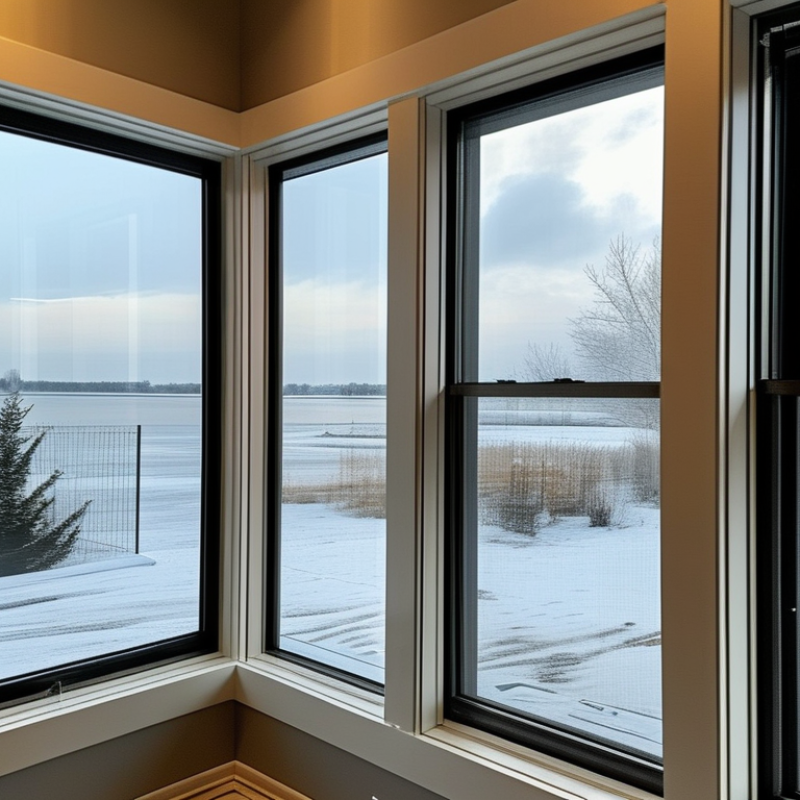
Define Climate and Window Needs Using DOE Zones, U-Factor, and SHGC
Choosing the right storm window in 2026 starts with climate, not appearance. The U.S. Department of Energy divides the country into eight climate zones, from very hot to subarctic. Your zone affects whether winter insulation or summer heat control matters more. A coastal Zone 4 home may need both.
Measure the existing window first. Check air leakage, frame condition, orientation, and indoor comfort. A storm window cannot repair rotten wood or a loose sash. It can, however, add another insulating layer. The DOE reports that windows can represent 25–30% of residential heating and cooling energy use, making small performance differences meaningful.
Use the NFRC label when comparing products. A lower U-factor generally means better resistance to heat flow. In cold zones, prioritize a low U-factor. In hot, sunny zones, a lower SHGC can reduce solar heat entering south- and west-facing rooms. The right balance depends on glass area and shading. More glass is not automatically better.
Low-emissivity storm windows deserve attention. DOE research indicates that low-e storm windows can reduce annual heating and cooling costs, with savings varying by climate and the existing window. Installation quality remains critical. A small perimeter gap can undermine the specification.
I would not choose from U-factor alone. That shortcut is tempting, but incomplete. Review the local DOE zone, window direction, and real frame condition before ordering. Even published ratings may not match field performance perfectly. That is worth questioning.
Compare Low-E Options: DOE Reports 12–33% Annual Energy Savings
How to Choose the Right Storm Window in 2026?
Low-E storm windows deserve attention because their savings are measurable. U.S. Department of Energy reports indicate annual energy savings of roughly 12–33%, depending on climate, window condition, and installation quality. The largest gains often appear in older homes with single-pane glass. Low-E coatings reduce radiant heat transfer while preserving daylight. That matters beside a cold bedroom window in January.
Choose a product with a suitable solar heat gain coefficient. In colder regions, moderate solar gain can support winter comfort. In hot regions, a lower rating may reduce unwanted afternoon heat. Check the window’s air leakage rating, frame fit, and removal method. A tight frame is essential. Even advanced glass performs poorly when wind enters around loose edges.
Professional retrofit assessments also warn against treating 33% as a guaranteed result. Existing insulation, shading, occupancy, and heating equipment can change the outcome. DOE guidance and laboratory modeling show potential, not certainty. I would inspect condensation marks and rattling frames before selecting a coating. That step is easy to skip. It should not be. A careful installer should document measurements, glass type, orientation, and expected seasonal performance. The best choice is the one matching the building, not the highest advertised percentage.
Select Interior, Exterior, or Combination Storm Windows by Building Type
How to Choose the Right Storm Window in 2026?
Select Interior, Exterior, or Combination Storm Windows by Building Type
Choosing a storm window starts with the building, not the product label. Interior storm windows suit apartments, historic homes, and buildings with fragile masonry or decorative exterior details. They install from inside and preserve the facade. However, they may collect condensation if indoor humidity stays high. Check the glass each morning during cold weather.
Exterior storm windows work well for detached houses with accessible, sound frames. They shield primary windows from wind-driven rain, dust, and temperature changes. Measure the opening at several points, because older frames rarely remain perfectly square. A tight fit matters. So does drainage.
Combination systems can serve homes with mixed conditions, such as a renovated house with new and original windows. They offer seasonal flexibility, but their added tracks need regular cleaning. For high-rise apartments, confirm building rules and emergency escape requirements before ordering. In coastal or severe-weather areas, ask a qualified installer about tested pressure ratings and secure attachment. Local energy codes may also influence the choice. A simple inspection can prevent an expensive mistake. My own preference is to measure twice, then question the first conclusion.
Verify NFRC Ratings, Air Leakage, Visible Transmittance, and Frame Quality
How to Choose the Right Storm Window in 2026?
A storm window should be judged by tested performance, not by a polished showroom frame. Check the NFRC label and confirm that the listed ratings match the exact size and configuration you plan to install. NFRC ratings can help compare U-factor, solar heat gain, and visible transmittance across products. Do not rely on a sales claim alone. Save the product documentation for future repairs.
Air leakage deserves close attention. A window that rattles during a windy night may waste energy and create uncomfortable drafts. Look for a low air-leakage rating, then inspect the seals, meeting rails, and installation instructions. Even an efficient unit performs poorly when the opening is uneven. Measure twice. Small gaps matter.
Visible transmittance affects how much daylight enters your room. Higher VT can brighten a dark hallway, but excessive sunlight may cause glare near a desk or television. Frame quality also matters. Examine corners, fasteners, drainage paths, and the frame’s resistance to bending. Aluminum can feel strong, while other materials may offer different insulation benefits. I have learned that choosing the highest rating is not always practical; cleaning access, local weather, and installation skill can change the result. The label informs the decision, but the whole window assembly determines daily comfort.
How to Choose the Right Storm Window in 2026? - Verify NFRC Ratings, Air Leakage, Visible Transmittance, and Frame Quality
| Storm Window Type | Typical Glazing and Configuration | NFRC Verification | Typical U-Factor Range (Btu/h·ft²·°F) | Typical SHGC Range | Typical Visible Transmittance Range | Air Leakage Check | Frame Quality Indicators | Best-Fit Applications |
|---|---|---|---|---|---|---|---|---|
| Interior Acrylic Panel | Single acrylic sheet mounted on the room side of the existing window; commonly removable or magnetic. | Often not NFRC-certified as a complete product. Request tested whole-assembly data when available. | 0.45–0.70 | 0.55–0.75 | 0.70–0.85 | Look for a tested value in cfm/ft² at 1.57 psf. A tight perimeter seal is especially important because the panel is installed indoors. | Rigid perimeter frame, durable compression gasket, stable attachment points, and no visible bowing or gaps. | Rental properties, historic façades, difficult exterior access, and seasonal installation. |
| Interior Low-E Glass Panel | Single or laminated low-emissivity glass panel fitted inside the existing window opening. | Prefer a complete-assembly NFRC label showing U-factor, SHGC, and VT. Do not rely only on center-of-glass values. | 0.30–0.50 | 0.35–0.60 | 0.55–0.75 | Choose a documented low air-leakage assembly and verify that the interior gasket remains continuously compressed. | Thermally stable frame, continuous weather seal, secure corners, and drainage or condensation-management provisions where applicable. | Cold climates, noise reduction, preservation projects, and homes where exterior installation is impractical. |
| Exterior Clear-Glass Storm Window | Single clear glass pane in an exterior aluminum or composite frame; may be fixed, two-track, or triple-track. | NFRC certification is preferable, particularly when comparing U-factor and SHGC between products. | 0.45–0.65 | 0.55–0.75 | 0.70–0.85 | Prefer a tested value at or below 0.30 cfm/ft² at 1.57 psf when the manufacturer provides this information; lower is better. | Perimeter compression seals, corrosion-resistant fasteners, robust corner joints, weep paths, and a secure sill installation. | Moderate climates, seasonal protection, and existing windows that are sound but drafty. |
| Exterior Low-E Glass Storm Window | Single low-emissivity glass pane, usually with a coated surface protected within the storm-window assembly. | Strongly recommended Verify the NFRC label for the complete installed configuration. | 0.25–0.45 | 0.25–0.55 | 0.45–0.70 | Compare certified or laboratory-tested air-leakage values; use the lowest practical value without compromising operability or drainage. | Thermally improved frame, continuous seals, protected low-E coating, properly designed weep holes, and secure fasteners. | Heating-dominated climates, energy retrofits, and projects seeking a balance between insulation and daylight. |
| Exterior Triple-Track Storm Window | Two movable glass or screen sashes plus a fixed panel; provides seasonal ventilation and flexibility. | Verify that the rating applies to the complete triple-track assembly, not only to individual glazing. | 0.35–0.60 | 0.40–0.70 | 0.55–0.80 | Inspect meeting-rail seals, sash interlocks, corner joints, and the sill. These locations commonly affect air leakage. | Positive sash locks, durable pile or compression weatherstripping, smooth operation, corrosion resistance, and adequate drainage. | Homes requiring ventilation, removable screens, and continued access to the existing window. |
| Exterior Fixed Low-E Panel | Non-operable low-E glass panel permanently or semi-permanently installed over the existing window. | Preferred for comparison Use whole-unit NFRC values where available. | 0.25–0.40 | 0.25–0.50 | 0.45–0.70 | Fixed units can achieve low leakage when the perimeter is continuously sealed and correctly installed. | Rigid frame, continuous perimeter seal, compatible expansion allowance, protected drainage, and no metal-to-glass stress points. | Maximum insulation, noise reduction, and windows that do not need regular opening. |
| Exterior Laminated-Glass Storm Window | Laminated glass designed to improve impact resistance and acoustic performance; thermal values depend on the complete assembly. | Confirm NFRC ratings and any separate safety, impact, or building-code test reports. | 0.35–0.60 | 0.35–0.65 | 0.45–0.75 | Check the complete frame-and-glass test result; heavier glass requires secure attachment and reliable seals. | Load-rated fasteners, strong corner construction, compatible glazing gaskets, corrosion resistance, and correct support for glass weight. | High-noise locations, elevated impact risk, and projects requiring enhanced glass safety. |
Check AAMA Standards, Wind Loads, Installation Costs, and Expected Payback
How to Choose the Right Storm Window in 2026?
A practical storm-window choice starts with verified AAMA standards, not attractive brochures. Look for tested air leakage, water resistance, structural performance, and durability ratings. Ask for current test documentation. Standards can change.
Wind load matters just as much. A coastal home, tall building, and exposed rural property face different pressures. Local building officials can confirm the required design pressure for each opening. Window size, elevation, surrounding buildings, and installation direction also affect the calculation. A stronger unit may cost more, but an undersized rating can create safety and performance problems.
Installation costs deserve careful inspection. Include labor, damaged trim, seal replacement, interior access, disposal, and possible masonry repairs. A cheap quote may omit preparation work. Request a written scope with measured openings and warranty responsibilities. Professional installation helps preserve the tested performance, although workmanship still varies.
Expected payback should use realistic numbers. Compare annual heating and cooling savings with purchase, installation, maintenance, and financing costs. Energy prices, weather, glass condition, and occupant habits can change the result. Payback may take longer than advertised. That is normal. A ten-year estimate can become twelve. Use utility records from the previous year, not guesses. An energy audit can improve the calculation, but it is not perfect. Pair the financial estimate with comfort, reduced drafts, lower noise, and improved storm protection.