2026 How to Choose the Best Motor Yh for Your Needs?
Choosing the right Motor Yh can greatly impact your project’s success. Industry expert, Dr. Jane Thompson, often says, “Understanding your specific needs is the first step in selecting the ideal Motor Yh.” This insight emphasizes the importance of aligning your choice with your application requirements.
When selecting a Motor Yh, consider factors like power output, efficiency, and application compatibility. Various models exist to meet different demands. For instance, a high-torque Motor Yh might be necessary for heavy machinery, while a more efficient design suits smaller devices. However, the overwhelming options can lead to confusion. It’s crucial to reflect on your project needs before making a decision.
Experience shows that many select a Motor Yh based solely on price or availability. Unfortunately, this can lead to performance issues. Each project deserves careful analysis to ensure the best fit. Taking the time to evaluate specific functionalities may reveal alternatives that better suit your needs. Thus, delving deeper into the right Motor Yh is essential for achieving optimal results.
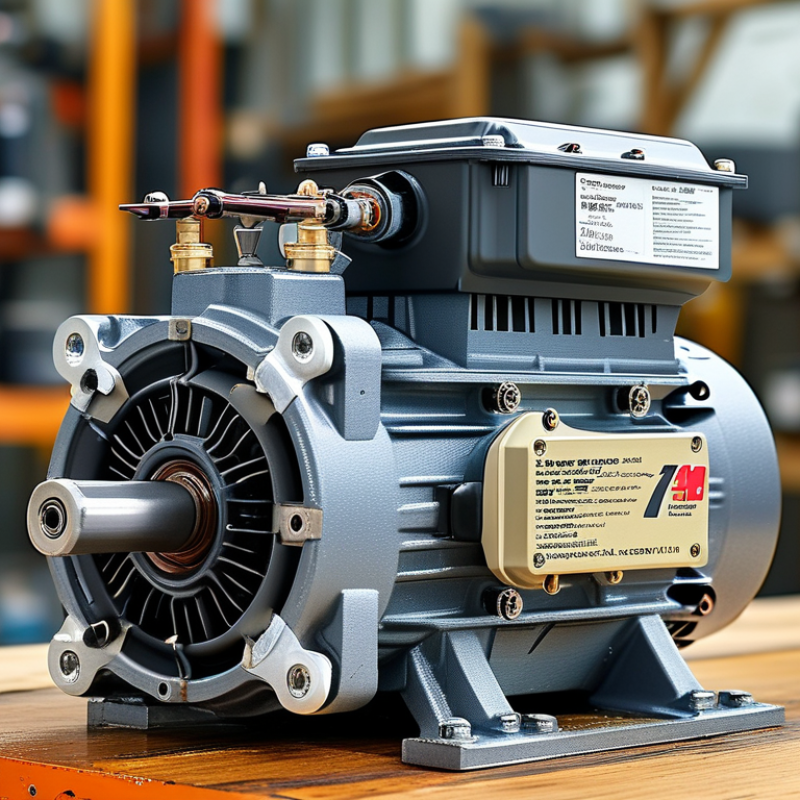
Understanding Different Types of Motors for Your Needs
Choosing the right motor for your needs requires understanding various types. Motors vary by function, power requirements, and speed control. For instance, brushless DC motors are efficient, offer high torque, and are often used in drones. According to a 2022 report by the International Energy Agency, brushless motors can operate up to 90% efficiency.
In contrast, induction motors are commonly found in industrial applications. They are reliable and cost-effective, but they may not be as efficient as brushless options. A study by the Electric Power Research Institute indicates that induction motors represent about 70% of all industrial motor applications. While these motors are durable, their performance can degrade if not properly maintained.
It is essential to evaluate your needs carefully. Consider factors like load, operational environment, and power supply. For instance, a high-load application might lean toward a robust induction motor, while precision tasks call for a stepper motor. Balancing efficiency and performance can be challenging, and sometimes, opting for a less efficient motor could lead to better overall system performance.
Key Factors to Consider When Choosing a Motor
When selecting a motor, it's crucial to assess your specific needs. Understanding the application is key. Will the motor be used in a light-duty or heavy-duty setting? Each task has unique demands. For instance, a motor for a small pump will differ greatly from one intended for industrial machinery. Choosing the right power rating ensures efficiency.
Voltage compatibility is another vital consideration. Different motors operate on varying voltages. Misalignment can lead to equipment failure. Therefore, checking your existing power supply is essential. Additionally, consider the motor's environment. Will it face dust, water, or extreme temperatures? Choosing a motor with the appropriate protection rating can significantly extend its lifespan.
Performance metrics also matter. Factors like torque, speed, and load capacity play a role in overall efficiency. An underpowered motor can overheat. Conversely, an oversized motor can waste energy. Finding the perfect balance requires careful thought and a clear understanding of your requirements. The selection process often reveals complexities that require ongoing evaluation. Reflecting on these details will lead to a more informed decision.
Assessing the Power Requirements for Your Application
When selecting a motor for your needs, understanding your power requirements is crucial. Power requirements vary greatly depending on the application. This includes factors such as load type and operational speed. Knowing these factors can help prevent issues later on.
Tips: Consider the weight and resistance your motor will face. Calculate the torque necessary for your tasks. Ensure that your motor can handle these demands without straining.
Evaluating operational conditions is equally important. For example, ambient temperature can significantly affect motor performance. A motor running in high heat may need a different power rating. Always assess your environment before making a decision.
Tips: Look into your application's duty cycle. Short bursts of power might allow for a smaller motor, while continuous operation could require more robust solutions. Don't overlook efficiency ratings as well; these can impact long-term costs.
Evaluating Environmental Conditions and Operating Environments
When selecting a motor YH for your needs, understanding the environmental conditions is vital. Factors like temperature, humidity, and vibration can greatly influence motor performance. For instance, a motor used in a high-humidity area may require special coatings to prevent corrosion. In contrast, extreme temperatures can affect the motor's lifespan. It’s essential to consider these elements early in the selection process.
The operating environment also plays a key role. If the motor will be exposed to dust or debris, an enclosed design might be necessary. Conversely, a motor in an open area may require a fan for cooling. Reflecting on these environmental aspects will guide you to make a more informed choice. Sometimes, overlooking these details can lead to unexpected failures. Each situation offers unique challenges that necessitate careful evaluation. The right motor not only meets performance standards but also aligns with its surroundings.
Comparing Cost and Maintenance Considerations for Each Motor Type
When choosing the best motor for your needs, cost and maintenance are critical factors. Different motor types can substantially vary in both initial investment and long-term upkeep. For instance, electric motors typically cost less upfront but may incur higher maintenance costs due to their intricate electronic components. According to industry data, maintaining an electric motor can reach up to 5% of its initial purchase price annually.
In contrast, internal combustion engines often demand a higher initial investment but have different maintenance needs. An analysis by the Motor Industry Association indicates that while these engines can be more resilient, their maintenance can involve complex tasks like oil changes and filter replacements. Many users overlook these costs, emphasizing the importance of budgeting for both short-term and long-term expenses.
Reliability is another aspect to consider. Motors with fewer moving parts, like brushless electric motors, often promise lower failure rates. However, they may lack the robustness needed for heavy-duty applications. Balancing performance with reliability and budget is essential in making the right choice. Each motor type has its strengths and weaknesses, and understanding these can help guide your decision.