What is Greaseproof Paper and Why Do You Need It?
Greaseproof Paper has become an essential item in the food industry, known for its ability to repel grease and moisture. According to a recent industry report by Smith & Associates, the global market for greaseproof paper is projected to grow by 5% annually, highlighting its increasing importance. With the rise of fast food and takeaway services, the demand for Greaseproof Paper has surged.
Expert in packaging materials, Dr. Emily White, notes, "Greaseproof paper not only protects food but also enhances presentation." This dual role is key, particularly in a market that emphasizes sustainability and consumer awareness. However, not all greaseproof papers are created equal. Some manufacturers cut corners, compromising quality for cost. This raises questions about reliability and safety.
Using high-quality Greaseproof Paper can make a significant difference in food preservation and customer satisfaction. Ignoring these details can lead to product spoilage and negatively affect a brand’s reputation. Thus, selecting the right Greaseproof Paper is crucial for success in the competitive food landscape.
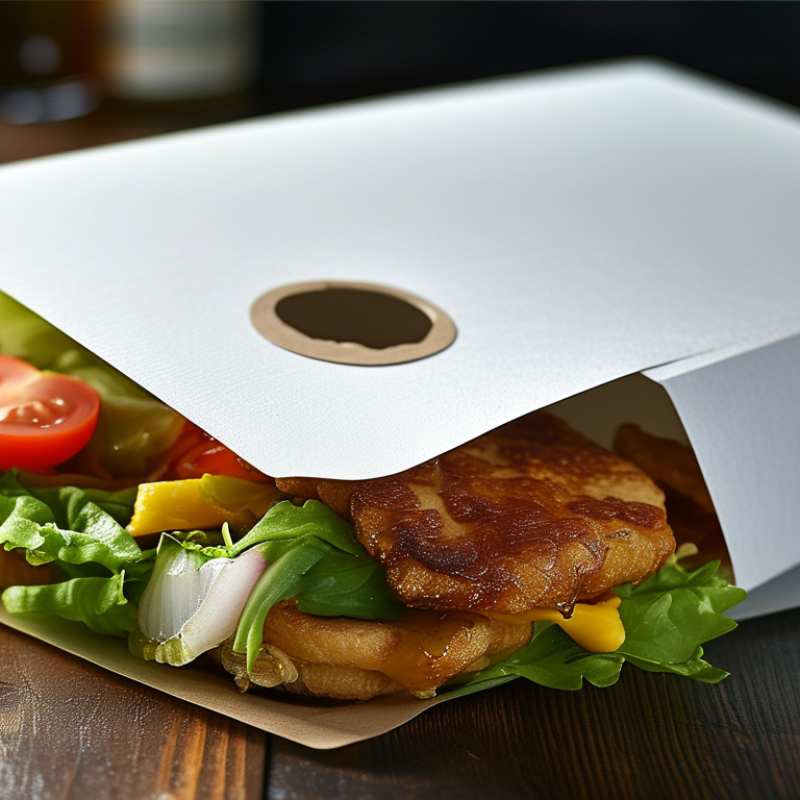
What is Greaseproof Paper?
Greaseproof paper is a special type of paper that resists oil and moisture. This unique feature makes it ideal for food packaging. Bakers often use it to line trays. It helps prevent sticking and makes cleanup easier. Greaseproof paper can be found in various thicknesses and sizes, making it versatile for different needs.
In cooking, it serves many purposes. You can use it to wrap sandwiches or line baking sheets. It protects food from greasiness while retaining freshness. Chefs appreciate its ease of use and efficiency. However, not all greaseproof paper is created equal. Some may require extra handling for best results.
When storing food, greaseproof paper can be a reliable choice. It keeps food items dry and safe from contamination. Yet, some may find it less sturdy than parchment paper. It may tear if not handled carefully. This limitation can be frustrating for those seeking durability. It represents a balance between convenience and functionality in cooking.
Understanding the Uses of Greaseproof Paper
Greaseproof paper is commonly used across various applications including baking, food packaging, and craft projects. The chart above illustrates the frequency of usage across these areas, showcasing baking as the most common use, followed by food packaging and cooking.
The Properties of Greaseproof Paper
Greaseproof paper is a versatile kitchen staple. Its unique properties make it ideal for food preparation and storage. This type of paper is specially treated to resist grease and oil. Unlike regular paper, it doesn't absorb these substances. It keeps your food fresh and mess-free.
One notable feature of greaseproof paper is its durability. It can withstand high temperatures. This makes it suitable for baking and cooking. However, not all products are the same. Some papers may still allow oils to seep through with very oily foods. It's essential to choose the right type for your needs.
Also, greaseproof paper is recyclable and compostable. This adds an eco-friendly aspect to its usage. Implementing sustainable practices in your kitchen can be rewarding. Yet, many users may overlook these benefits. Investing time into understanding the materials can significantly enhance your cooking experience.
Common Uses of Greaseproof Paper in Cooking and Baking
Greaseproof paper is a versatile tool in cooking and baking. Its non-stick surface helps prevent food from sticking, making it easier to handle and serve. This paper has become an essential item for both home cooks and professionals. According to a recent industry report, the demand for greaseproof paper has surged by 25% over the past five years, reflecting its growing popularity in culinary applications.
One common use of greaseproof paper is in baking. It is often used to line cake pans and cookie sheets, ensuring that baked goods release easily without losing shape. Another popular application is wrapping sandwiches or snacks. This paper maintains food freshness while preventing grease from seeping through. Studies indicate that around 75% of chefs prefer greaseproof paper over traditional wax paper for its durability and effectiveness.
Tips: When using greaseproof paper, consider layering it with parchment paper for optimal results. This can enhance baking performance, especially for delicate items. Always choose the right size to avoid any food waste and ensure a clean presentation.
Despite its many benefits, greaseproof paper may not be suitable for all cooking methods. For instance, it’s not recommended for use in high-temperature ovens, as it can easily char. Knowing its limits is essential for optimal performance in any kitchen scenario.
What is Greaseproof Paper and Why Do You Need It? - Common Uses of Greaseproof Paper in Cooking and Baking
| Use Case | Description | Advantages |
| Baking | Used to line baking trays and pans to prevent sticking. | Easy release, reduces cleanup time. |
| Food Wrapping | Wraps sandwiches, pastries, or fried foods. | Keeps food fresh, absorbs excess grease. |
| Craft Projects | Used as a protective layer or for creating designs. | Versatile and easy to cut, ideal for various crafts. |
| Candy Making | Offers a non-stick surface for cooling and packaging candies. | Prevents sticking and maintains candy integrity. |
| Serving Layer | Used as a layer between foods during serving or storing. | Prevents moisture absorption, keeps items from sticking. |
Benefits of Using Greaseproof Paper in Food Preparation
Greaseproof paper, a type of parchment paper, plays a crucial role in food preparation. It serves as a barrier to grease and moisture, making it ideal for wrapping sandwiches and baked goods. According to the Food Packaging Forum, approximately 30% of food waste occurs due to improper packaging. Using greaseproof paper can minimize spoilage by keeping products fresher for longer periods.
One key benefit is its ability to withstand high temperatures. This feature is essential for bakeries and home ovens alike. It prevents grease from leaking, ensuring that food retains its integrity and flavor. A study by Mintel showed that 63% of consumers are concerned about food quality, emphasizing the need for proper food storage solutions. Greaseproof paper not only protects food but also allows for easy cleanup, reducing kitchen waste.
Despite its advantages, some users overlook this paper's sustainability. Many greaseproof papers are not recyclable, contributing to landfill issues. It's essential for consumers and businesses to choose eco-friendly options when possible. Balancing usability and sustainability is a challenge in the food industry. Choosing the right packaging can lead to better food experiences while being mindful of environmental impacts.
How to Choose the Right Greaseproof Paper for Your Needs
When selecting greaseproof paper, consider several important factors to ensure it meets your needs. First, look at the paper's thickness. Thicker papers offer better moisture and grease resistance, which is crucial for oily foods. The choice of size is another key aspect. Choose a size that fits your baking trays or food packaging needs.
Always check the paper's temperature tolerance. Some greaseproof papers can withstand higher temperatures, making them perfect for baking. Others may only be suitable for wrapping or lining. Ensure the paper is food-safe as well. This is vital for health and safety reasons when it contacts your food directly.
Tips: Always test a small sample of greaseproof paper before fully committing. This will ensure that it meets your cooking or baking requirements. Also, consider the environmental impact of your choice. Look for recyclable or compostable options if sustainability matters to you. A bit of research can lead to smarter, healthier decisions for your kitchen. Remember, the right greaseproof paper can greatly enhance your cooking experience.