
How to Find the Best China Fountain Contractors?
Finding the best China Fountain Contractors requires more than comparing attractive project photos. A successful fountain must perform reliably, fit the site, and remain manageable after installation. This guide explains how to assess contractors through practical evidence, technical knowledge, and transparent communication.
Look for contractors with experience in projects similar to yours. A hotel entrance, public plaza, and private garden require different hydraulic designs. Ask for recent references, factory photographs, and detailed drawings. Review pump capacity, nozzle height, filtration, lighting, control systems, stone quality, and maintenance access. A professional contractor should explain these details clearly, not hide behind impressive words. They should also understand shipping procedures, installation support, safety requirements, and applicable local standards.
A site visit can reveal more than a polished website. Observe water flow, edge finishing, drainage, equipment rooms, and electrical protection. Ask how the system performs after one year, not only on opening day. Reliable Fountain Contractors provide itemized quotations, realistic timelines, warranties, and responsive after-sales service. They also identify risks before signing a contract. That matters.
Still, no selection process is perfect. A large portfolio does not guarantee careful workmanship. A low quotation may exclude essential controls or future maintenance. Even experienced buyers can overlook access for pump replacement. Compare several proposals, verify technical claims, and record every promise in writing. The best decision usually comes from evidence, not excitement. Perhaps the most important question is simple: will this contractor still answer clearly when the fountain stops working?
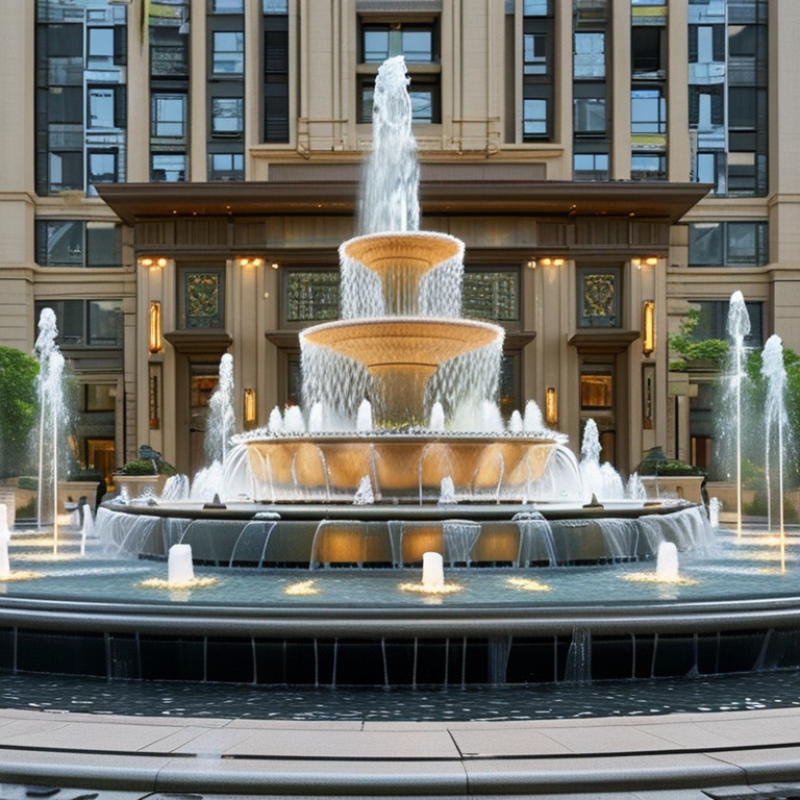
Define Your Fountain Project Requirements and Budget
A successful fountain project starts with a clear brief, not attractive drawings alone. Define the fountain’s width, height, water depth, lighting needs, and operating hours. Note the site surface, nearby drainage, electrical access, and expected visitor traffic. A courtyard feature may need different equipment from a hotel entrance fountain.
Set a realistic budget before contacting contractors. Include design, civil work, pumps, filtration, controls, lighting, delivery, installation, testing, and maintenance. Reserve 10% to 15% for unexpected ground conditions or utility changes. This allowance is practical, not wasteful. Ask each contractor to separate equipment costs from labor and future service expenses. Clear pricing makes comparisons more reliable.
I once underestimated drainage work on a small outdoor fountain. The basin looked simple, but the existing slope caused water to collect nearby. That mistake changed the installation schedule and increased costs. A professional site survey could have exposed the problem earlier. Share your drawings, budget range, and performance expectations with potential contractors. Then ask how they calculate water loss, pump capacity, cleaning access, and winter protection. Their answers reveal experience better than polished promises. Allow room for revision, because the first plan is rarely perfect.
| Project Type | Typical Fountain Size | Recommended Water Feature | Electrical and Pump Requirements | Site and Construction Requirements | Indicative Budget in USD | Typical Production and Installation Schedule | Key Contractor Deliverables |
|---|---|---|---|---|---|---|---|
| Compact Indoor Fountain | 1–3 m wide 0.8–2 m high | Wall sheet, bubbling bowl, or small cascade | 0.5–2 kW pump system; low-voltage lighting; drainage connection recommended | Waterproof floor, access to a drain, indoor humidity control, and a concealed equipment cabinet | $3,000–$12,000 | 4–8 weeks for production; 2–5 days for installation | Shop drawings, material samples, pump selection, waterproofing details, lighting layout, and operating instructions |
| Residential Garden Fountain | 2–5 m wide 0.6–2.5 m high | Decorative basin, tiered fountain, or natural-stone cascade | 0.75–3 kW pump; timer or smart controller; outdoor-rated lighting and weatherproof connections | Level foundation, underground power conduit, drainage or recirculating reservoir, and safe maintenance access | $5,000–$20,000 | 5–10 weeks for production; 3–7 days for installation | Site measurement, foundation plan, hydraulic calculation, finish samples, installation drawings, and maintenance schedule |
| Hotel or Commercial Feature Fountain | 5–15 m wide 1–5 m high | Linear cascade, interactive jets, mirror pool, or architectural water wall | 3–15 kW pump system; programmable controller; multiple lighting circuits; control-panel ventilation | Structural engineering, waterproof reinforced concrete basin, plant-room access, overflow drainage, and chemical treatment provisions | $25,000–$100,000 | 8–16 weeks for production; 1–3 weeks for installation and commissioning | Hydraulic design, structural interface drawings, electrical single-line diagram, control logic, commissioning report, and staff training |
| Public Plaza Musical Fountain | 15–40 m wide 2–8 m jet height | Programmable vertical jets, fan jets, laminar streams, and synchronized lighting | 15–75 kW or more depending on nozzle count; variable-frequency drives; DMX or PLC control; emergency stop system | Heavy-duty waterproof basin, non-slip paving, public safety barriers, drainage capacity, equipment room, and accessible service routes | $120,000–$500,000+ | 5–10 months including design, fabrication, shipping, installation, and testing | Performance simulation, nozzle schedule, safety risk assessment, control software, as-built drawings, spare-parts list, and operator training |
| Interactive Water Play Fountain | 8–25 m wide 0.2–3 m water height | Ground sprays, touch-activated jets, water arches, and programmable play zones | 10–50 kW pump system; sensor controls; filtration; water-quality monitoring; residual-current protection | Slip-resistant surface, compliant drainage, filtration room, sanitation system, child-safe nozzle design, and clear maintenance access | $100,000–$400,000+ | 5–9 months including approvals and site works | Safety and hygiene plan, water-treatment design, accessibility review, hydraulic calculations, installation supervision, and inspection documentation |
| Large Outdoor Musical Fountain | 25–80 m wide 3–15 m jet height | Multi-zone choreographed jets, fog effects, color lighting, and synchronized audio | 50–250 kW or more; multiple pump groups; PLC or show-control system; backup communication and emergency shutdown | Detailed civil and structural design, large underground reservoir, dedicated electrical service, acoustic planning, drainage, and restricted-access equipment rooms | $500,000–$2,000,000+ | 9–18 months including engineering, fabrication, delivery, installation, and performance testing | Full engineering package, water and energy consumption forecast, show programming, factory acceptance testing, site commissioning, warranties, and long-term service plan |
| Custom Stainless-Steel Sculpture Fountain | 3–12 m wide 2–10 m high | Custom sculptural form with sheet flow, spillway, or internal water circulation | 1–20 kW depending on scale; variable-speed pump; concealed LED lighting; corrosion-resistant control components | Structural anchoring, load calculations, waterproof substrate, accessible inspection panels, and protection from galvanic corrosion | $30,000–$250,000+ | 10–24 weeks for design and fabrication; 1–3 weeks for installation | 3D concept renderings, structural calculations, fabrication drawings, metal-finish samples, water-flow tests, packing plan, and installation method statement |
| Renovation of an Existing Fountain | Based on existing site conditions | Pump replacement, nozzle upgrade, LED retrofit, waterproofing repair, or control-system modernization | Existing-load assessment required; typical upgrades range from 2–100 kW depending on fountain scale | Condition survey, leak testing, concrete repair, replacement of corroded pipework, drainage inspection, and safe isolation of existing power | $10,000–$150,000+ | 4–16 weeks depending on replacement parts and civil repairs | Existing-condition report, refurbishment scope, replacement schedule, compatibility assessment, test plan, and operating-cost comparison |
| Budget figures are indicative planning ranges for design, equipment, fabrication, and typical installation work. Final pricing depends on fountain dimensions, materials, pump capacity, automation level, shipping terms, site preparation, local taxes, permits, civil works, and commissioning requirements. Ask each contractor to separate equipment, engineering, logistics, installation, testing, warranty, and maintenance costs in the quotation. | |||||||