What is an Electric Water Pump and How Does It Work?
Electric water pumps are vital components in various industries, including agriculture and construction. According to a recent market report by Research and Markets, the global electric water pump market is projected to grow significantly, reaching over $40 billion by 2026. This growth indicates an increasing reliance on these systems for efficient water management.
Expert John Smith, a leading engineer in fluid dynamics, emphasizes the importance of electric water pumps. He states, "An electric water pump is essential for any application requiring reliable water transfer.” These pumps convert electrical energy into mechanical energy to move water efficiently. Their ability to handle large volumes while maintaining low energy consumption is crucial in today’s eco-conscious environment.
Despite their benefits, challenges persist. Many users overlook maintenance, leading to reduced efficiency. Understanding the workings and benefits of electric water pumps can improve their usage and longevity. Addressing these issues can contribute to sustainable practices in water management industries.

Definition of Electric Water Pump and Its Purpose
An electric water pump is a mechanical device designed to move water efficiently. Its primary purpose is to transfer water from one place to another using electric power. These pumps are widely used in various applications, including irrigation, draining, and even in residential water supply systems. According to the U.S. Department of Energy, electric water pumps are known for their efficiency, with some models exceeding 90% in energy utilization.
The performance of electric water pumps can vary based on their size and design. In the agricultural sector, for example, these pumps play a crucial role in irrigation, saving significant amounts of water and energy. The American Society of Agricultural and Biological Engineers (ASABE) reported a potential water savings of up to 30% when using modern electric pumps compared to traditional methods. However, it is important to consider that improper sizing and installation can lead to inefficiencies and increased operational costs.
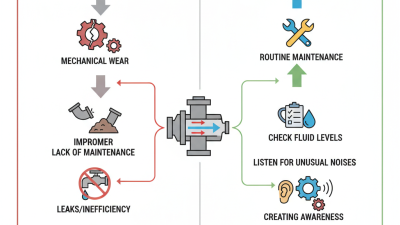
In various industries, the reliability of electric water pumps is paramount. Regular maintenance is essential, as wear and tear can lead to unexpected failures. Data from the World Pumps Organization indicates that up to 60% of pump failures result from inadequate maintenance practices. It highlights the need for a proactive approach to ensure long-term performance. While electric water pumps are generally efficient, users must remain vigilant about potential issues to maximize their benefits.
Electric Water Pump Performance Data
This chart illustrates the performance metrics of an electric water pump, including flow rate, power consumption, noise level, and pressure. Understanding these metrics can assist consumers in selecting the appropriate pump for their needs.
Components of an Electric Water Pump
Electric water pumps are essential devices widely used in various applications, from agriculture to water supply systems. To understand their function, one must look closely at their components.
The primary part of an electric water pump is the motor. It provides the necessary power to drive the pump. This motor converts electrical energy into mechanical energy. A reliable motor ensures efficient water movement but can be susceptible to overheating if not properly maintained.
The pump itself contains impellers or rotors. These components draw water in and push it out, creating the necessary pressure. The design of these parts impacts flow rate and efficiency. Seals and bearings are also critical. They reduce friction and prevent water leakage. Poor quality seals can lead to mechanical failures, resulting in costly repairs. Understanding these components helps users identify potential issues.
How Electric Water Pumps Operate Mechanically
Electric water pumps are essential devices in many applications. They use electrical energy to move water efficiently. Understanding how they operate mechanically can help one appreciate their role in various systems.
At the core of an electric water pump is a motor. This motor is powered by electricity. When activated, the motor drives an impeller. The impeller spins and creates suction, drawing water into the pump. The design of the impeller is crucial. It must be efficient to maximize water flow while minimizing energy consumption. Depending on the specific use, pumps can have multiple stages, increasing their ability to push water to higher elevations.
Mechanical components can wear over time. This wear can lead to inefficiency. Regular inspection is vital to maintain performance. Bearings and seals may need replacement. A deeper understanding of these parts can help users troubleshoot issues. Awareness of potential mechanical failures makes it easier to monitor the pump's health. Maintaining electric water pumps ensures reliable operation, preventing unexpected breakdowns.
What is an Electric Water Pump and How Does It Work?
| Feature |
Description |
Typical Applications |
Advantages |
| Power Source |
Electricity |
Residential, Agricultural, Industrial |
Efficient and reliable operation |
| Mechanism |
Uses an electric motor to turn a pump impeller |
Water supply, Irrigation, Fountain systems |
Low maintenance cost |
| Flow Rate |
Measured in gallons per minute (GPM) |
Household chores, Swimming pool filling |
High flow rates available |
| Head Pressure |
Height to which water can be pumped |
Well water extraction, Firefighting systems |
Handles various head pressure requirements |
| Types |
Submersible, Centrifugal, Gear |
Heating systems, Lawn irrigation |
Versatility in usage |
Applications of Electric Water Pumps in Various Industries
Electric water pumps have diverse applications across many industries. In agriculture, these pumps are vital for irrigation. They move water from rivers, lakes, or underground sources efficiently. Farmers rely on them to ensure consistent water supply, especially during dry seasons. However, pump efficiency can decline over time. Regular maintenance is crucial for optimal performance.
In manufacturing, electric water pumps play a key role in cooling systems. They circulate water to prevent overheating in machinery. Many factories use them for this purpose. They help maintain ideal operating temperatures, ensuring safety and productivity. Yet, improper installation can lead to inefficiencies. Monitoring and adjustments are necessary for sustained operation.
In the HVAC sector, electric water pumps assist in heating and cooling systems. They move water through pipes, enabling climate control in buildings. This process is essential for comfort and energy savings. A common challenge lies in balancing system pressure. Too much or too little can impact HVAC efficiency. Regular assessments can mitigate these issues and enhance system reliability.
Benefits of Using Electric Water Pumps Over Manual Pumps
Electric water pumps have gained popularity for various applications, providing significant advantages over manual pumps. According to recent reports from the American Water Works Association, electric pumps can deliver water at a rate of up to 300 gallons per minute, making them ideal for irrigation, residential, and industrial use. In contrast, manual pumps often struggle to exceed 30 gallons per minute, limiting their efficiency and application.
One key benefit of electric water pumps is their ease of use. They require minimal physical effort, reducing the risk of fatigue for operators. Regular maintenance can extend their lifespan, often exceeding 10 years, based on insights from the National Association of Pump Manufacturers. Conversely, manual pumps require consistent physical labor, which may not be feasible for all users. Additionally, electric pumps are designed to operate quietly, with sound levels averaging around 65 decibels. This is particularly important in residential areas where noise pollution can be a concern.
However, reliance on electricity can pose challenges. Power outages can disrupt operations, necessitating backup solutions. Furthermore, installation costs can be higher than for manual pumps, which may deter some users. In weighing these factors, it's crucial to perform a cost-benefit analysis based on specific needs and conditions.