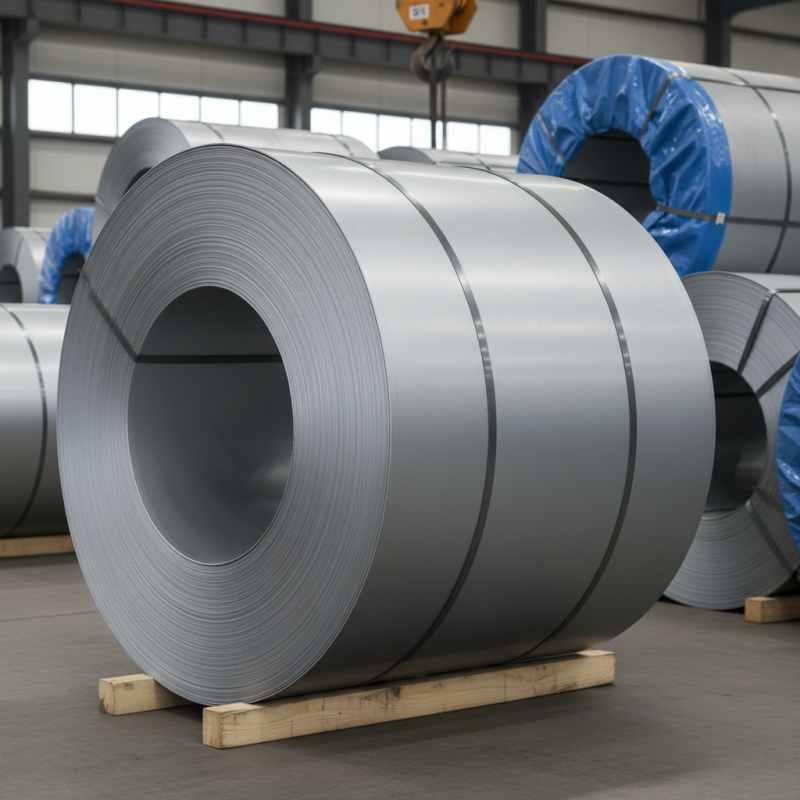
What is Cold Rolled Coil and How Is It Used?
Cold Rolled Coil is a vital material in various industries. It refers to steel that is processed at room temperature. This process enhances its strength and surface finish. Manufacturers use Cold Rolled Coil to produce thin sheets of steel. The applications range from automotive parts to appliances.
Cold Rolled Coil is a popular choice for its precision and smooth surface. Its uniform thickness is ideal for fabrication processes. However, producing this material can be challenging. Flaws may occur during the rolling process. Attention to detail is essential to ensure quality.
Despite its strengths, some users may overlook potential issues. Understanding the limitations of Cold Rolled Coil can lead to better decisions. Proper handling and storage are crucial. This material must be protected from moisture to avoid rust. A thoughtful approach can enhance its longevity and performance.
What is Cold Rolled Coil?
Cold rolled coil is a type of steel that undergoes a unique processing method. This process begins with hot rolled steel, which is then cooled and passed through a series of rollers at room temperature. This technique enhances the steel's strength and surface finish. The result is a smoother and more precise material used in many industries.
Manufacturers often use cold rolled coil in applications requiring tight tolerances and high-quality finishes. It is commonly found in automotive components, appliances, and furniture. The coil can be further processed into sheets or sheets can be cut into different shapes. Despite its strengths, cold rolled coil can also bend or warp if not handled correctly.
The production of cold rolled coil raises some concerns. The processing can generate significant scrap, which needs careful management. Additionally, its susceptibility to corrosion may require surface treatments. Reflecting on these factors is essential to improve efficiency and sustainability in the industry. Understanding cold rolled coil requires exploration of both its benefits and its drawbacks.
What is Cold Rolled Coil and How Is It Used?
| Property | Description |
| Thickness | 0.3mm - 3.2mm |
| Width | 600mm - 2000mm |
| Surface Finish | Pickled, Oiled, or Non-Oiled |
| Common Uses | Automotive parts, appliances, construction |
| Advantages | High precision, smooth surface finish, good formability |
| Processing Methods | Bending, Stamping, Welding |
The Manufacturing Process of Cold Rolled Coil
The manufacturing process of cold rolled coil begins with hot rolled steel. This steel is cooled at room temperature and then passed through rollers. These rollers compress the material, enhancing its strength and surface finish. The thickness is reduced during this phase, making the steel more versatile.
Once the steel reaches the desired thickness, it undergoes additional processes. It may be annealed to relieve internal stresses. If it needs a smoother finish, further reduction in thickness is applied. These steps can often lead to imperfections. For instance, slight variations in thickness or surface defects might occur.
After processing, the cold rolled coil can be used in various applications. It often finds its place in automotive parts and appliances. However, achieving precise specifications is not always easy. Manufacturers sometimes face challenges in maintaining consistency. The cold rolling process reflects both innovation and room for improvement.
Advantages of Cold Rolled Coil Over Other Steel Products
Cold rolled coil (CRC) is widely favored in industries for its superior attributes. One of the main advantages of CRC over hot rolled products is improved surface finish. CRC presents a smoother and more uniform surface. This makes it ideal for applications requiring high aesthetics, such as automotive and appliances. According to a recent industry report, the global demand for CRC is projected to reach 200 million metric tons by 2025.
Another significant advantage is dimensional accuracy. Hot rolled products often undergo warping and may require additional processing. CRC, however, maintains tight tolerances. These precision measurements reduce the need for secondary operations, saving time and costs. A study highlighted that precision-engineered CRC can reduce material waste by up to 15%.
While CRC has many benefits, it’s essential to acknowledge its limitations. The colder production process can increase brittleness, posing challenges in forming complex shapes. This can lead to increased scrap rates if not managed properly. Not all processes may yield optimal results with cold rolled materials, highlighting the need for continuous improvement in practices. Balancing the advantages and potential downsides is crucial for manufacturers looking to maximize efficiency and quality.
Common Applications of Cold Rolled Coil in Various Industries
Cold rolled coil is an essential material in various industries. It is known for its smooth finish and precise dimensions. The manufacturing process gives it strength and durability. This makes it a popular choice for many applications.
In the automotive industry, cold rolled coil plays a vital role. Automotive parts, such as body panels and frames, often require high strength and formability. Cold rolled coils meet these demands effectively. The appliance sector also utilizes this material. Refrigerators and washers benefit from cold rolled steel’s excellent surface quality.
Construction materials often feature cold rolled coil. It is used in structural components and roofing sheets. The electronics industry also uses this material for enclosures and frames. These applications highlight its versatility. However, specifications should always be double-checked. Slight variations in thickness or finish can affect final products. Care in selection ensures optimal performance.
Factors Influencing the Quality of Cold Rolled Coil
Cold rolled coil is a vital material in various industries, known for its smooth surface and dimensional accuracy. The quality of cold rolled coil can be influenced by several critical factors. One primary factor is the type of raw steel used. The chemical composition plays a significant role in determining the strength and ductility of the final product. Variabilities in this composition can lead to differences in performance and durability.
Another factor is the rolling process itself. The temperature, pressure, and speed during rolling must be carefully controlled. Improper settings can result in defects like cracks or inconsistencies in thickness. Regular maintenance of machinery is essential to avoid these pitfalls.
**Tips:** Always check the equipment regularly. Look for signs of wear and tear. Ensure that the settings meet your specifications.
Environmental conditions also impact quality. Humidity and temperature levels can cause rusting or distortion. Monitoring these factors in the production area is crucial for maintaining high standards.
**Tips:** Create a checklist for environmental controls. Simple measures can prevent quality issues. Review your processes regularly for improvements.
Ultimately, attention to these factors can help achieve high-quality cold rolled coil. It requires commitment and a willingness to learn from mistakes. Embrace feedback and adjust accordingly.
Quality Factors of Cold Rolled Coil