How to Choose the Best Bleach Pump for Your Needs?
Selecting the right bleach pump can significantly impact your operations, whether for industrial cleaning or water treatment. According to John Smith, a seasoned expert in chemical pumping solutions, “Choosing the right bleach pump is crucial for efficiency and safety.” His insights illuminate the complexity surrounding this decision, emphasizing that the best pump should meet specific needs.
When considering a bleach pump, factors such as flow rate, compatibility with chemicals, and reliability are paramount. Many users overlook these details, leading to inefficiencies. For example, a pump that cannot handle high chlorine concentrations may fail, causing costly downtime.
It's not just about choosing a pump; it's about making a well-informed choice. A reliable bleach pump ensures consistent performance, ultimately affecting your bottom line. As John Smith points out, the right choice can transform operations, but the wrong one can hinder progress. Careful evaluation and expert advice play a vital role in this selection process.
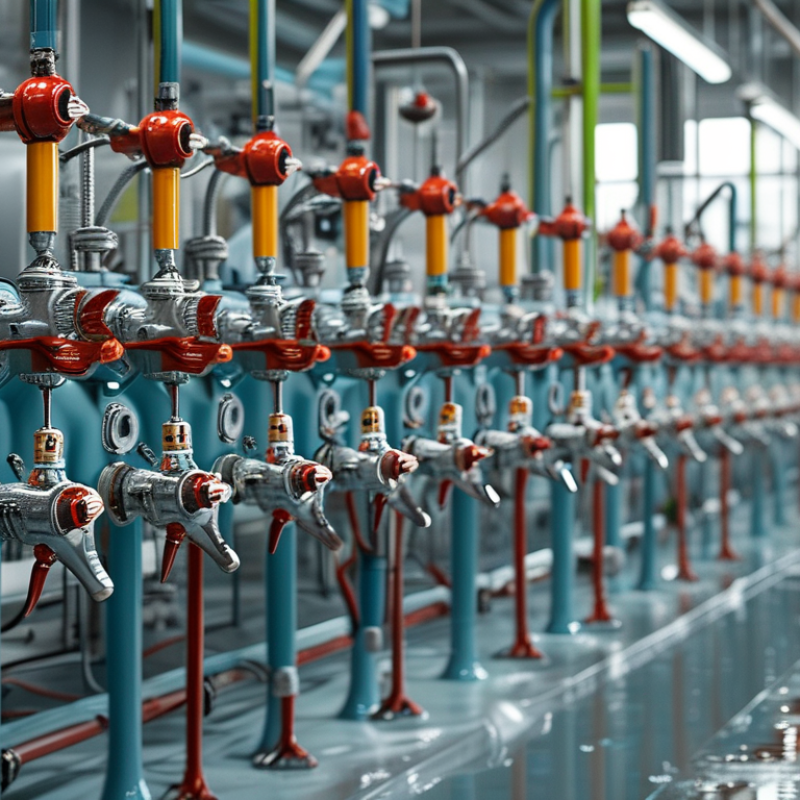
Understanding the Different Types of Bleach Pumps Available
When selecting a bleach pump, understanding the various types available is crucial. Each type serves specific applications, making it essential to choose according to your needs. Diaphragm pumps, for instance, are highly efficient for handling bleach solutions. They offer excellent chemical compatibility and a self-priming feature. According to a 2022 market report, diaphragm pumps accounted for over 25% of the bleach pump market due to their reliability.
Peristaltic pumps are another viable option. They work by compressing a flexible tube, allowing for precise flow rates. This precision is vital in applications where bleach concentration must be controlled. Many industrial users prefer peristaltic pumps for their simplicity and low maintenance. However, they may not handle high pressures as effectively as diaphragm pumps. A study found that over 70% of users in the textile industry favor peristaltic pumps for this reason.
Understanding your specific use case is essential. Some pumps might be costly upfront but save money on maintenance in the long run. Consider the environment where the pump will operate. If vibration and wear are concerns, robust models can prevent premature failure. Your choice ultimately hinges on balancing efficiency, cost, and durability based on your unique requirements.
Key Factors to Consider When Selecting a Bleach Pump
Choosing the right bleach pump is crucial for effective cleaning and sanitation. When evaluating options, start with the pump's capacity. Different settings require varying flow rates. Consider where you'll use the pump. Indoor use typically needs a smaller capacity compared to outdoor systems.
Material compatibility is another important factor. Make sure the pump materials can withstand the corrosive nature of bleach. Plastic pumps may be suitable for low concentrations, but stainless steel options provide better durability. Inspect the design for ease of maintenance. A design that is easy to clean can save time in the long run.
Pay attention to the power source. Electric pumps can be efficient, but ensure you have access to power where needed. For remote areas, battery-operated models can help. Evaluate the noise levels too. A quieter pump increases comfort during operation. Don’t overlook user reviews; they can offer insights into reliability and performance. Individual needs vary, so reflect on your specific requirements before making a decision.
Assessing Flow Rate and Capacity Requirements for Your Application
When choosing a bleach pump, understanding flow rate and capacity is crucial. Flow rate determines how quickly the pump transfers bleach. Assess your application needs carefully. If you need a high flow rate, consider your operational demands. Common flow rates range from a few gallons per minute to higher volumes for industrial applications.
Capacity is equally vital. It refers to how much bleach the pump can hold and dispense. A pump that fits your capacity requirements ensures efficient operation. Too small a capacity can lead to frequent refills. Too large may result in chemical waste. Balancing these factors can be challenging but necessary for optimal performance.
Don't overlook compatibility with your system. The pump should seamlessly integrate with existing components. Poor integration can affect performance and reliability. Also, consider the specific concentration of bleach and its viscosity. Pumps behave differently based on these factors. Less than perfect choices often lead to inefficiencies in the long run, demanding thoughtful assessment of all aspects involved.
Evaluating Material Compatibility and Durability in Bleach Pumps
When selecting a bleach pump, material compatibility and durability are critical factors to consider. Bleach is a harsh chemical that can corrode certain materials. For instance, using a pump made from stainless steel can enhance longevity since it resists rust and degradation. However, not all stainless steel grades are equal. You need to research which grade suits your specific environment.
Ensure that the seals and gaskets are compatible with bleach. Many pumps use rubber or plastic components that may deteriorate faster in bleach solutions. Evaluate a pump's specifications, focusing on the types of materials used in its construction. Documentation from manufacturers can provide insight into the expected lifespan of components.
Choosing the right pump is a balance of functionality and risk. It's common to overlook specifics, but paying close attention can prevent costly accidents. A good practice is to consult with industry professionals. They can offer guidance based on their experiences. Additionally, consider reading user reviews. They may highlight potential weaknesses when using the pump over time.
How to Choose the Best Bleach Pump for Your Needs? - Evaluating Material Compatibility and Durability in Bleach Pumps
| Pump Type |
Material Compatibility |
Durability Rating |
Max Flow Rate (L/h) |
Power Source |
| Diaphragm Pump |
PVC, PVDF |
8/10 |
150 |
Electric |
| Peristaltic Pump |
Silicone, EPDM |
7/10 |
100 |
Electric/Battery |
| Gear Pump |
Stainless Steel, PTFE |
9/10 |
200 |
Electric |
| Magnetic Drive Pump |
PP, PVDF |
8/10 |
120 |
Electric |
| Centrifugal Pump |
PVC, Stainless Steel |
7/10 |
300 |
Electric |
Cost-Effectiveness: Budgeting for Your Bleach Pump Purchase
When choosing a bleach pump, cost-effectiveness is key. The initial purchase price is just part of the equation. Consider operating costs, maintenance, and longevity of the pump. Research shows that an efficient bleach pump can save up to 30% on operational costs compared to less efficient models. This translates to significant savings over time, especially for large-scale operations.
Maintenance costs can also vary widely. Some estimates suggest that poorly maintained pumps can lead to twice the repair costs of well-maintained systems. Spending a bit more upfront on a reliable pump often pays off. It’s crucial to look at the total cost of ownership, not just the sticker price.
In addition, factors such as energy consumption and durability can significantly impact your budget. A thorough cost analysis should include these elements to ensure you are making a wise investment. Many operators overlook the importance of energy efficiency. According to industry data, energy-efficient pumps can reduce energy costs by as much as 25%. Investing in a high-quality pump may require more upfront capital, but the long-term benefits are compelling.