2026 How to Choose the Right Small Electric Water Pump for Your Needs?
Choosing the right small electric water pump can be daunting. It is crucial to consider your specific needs. John Smith, an expert in fluid dynamics, once said, "The perfect pump is one that meets your exact requirements." This insight rings true, especially with various models available.
Small electric water pumps serve diverse applications. They are used in gardening, aquariums, and even for household tasks. The right pump can optimize water flow and save energy. It is essential to assess factors like power, efficiency, and size before making a choice. A common mistake is overlooking compatibility with existing systems.
In the rapidly changing market, advancements in technology play a significant role. New features, such as smart controls, enhance usability. However, it’s vital to reflect on the long-term performance and maintenance concerns. A pump chosen without thorough research can lead to inefficiencies and dissatisfaction. Careful evaluation and informed decisions can lead to significant benefits.
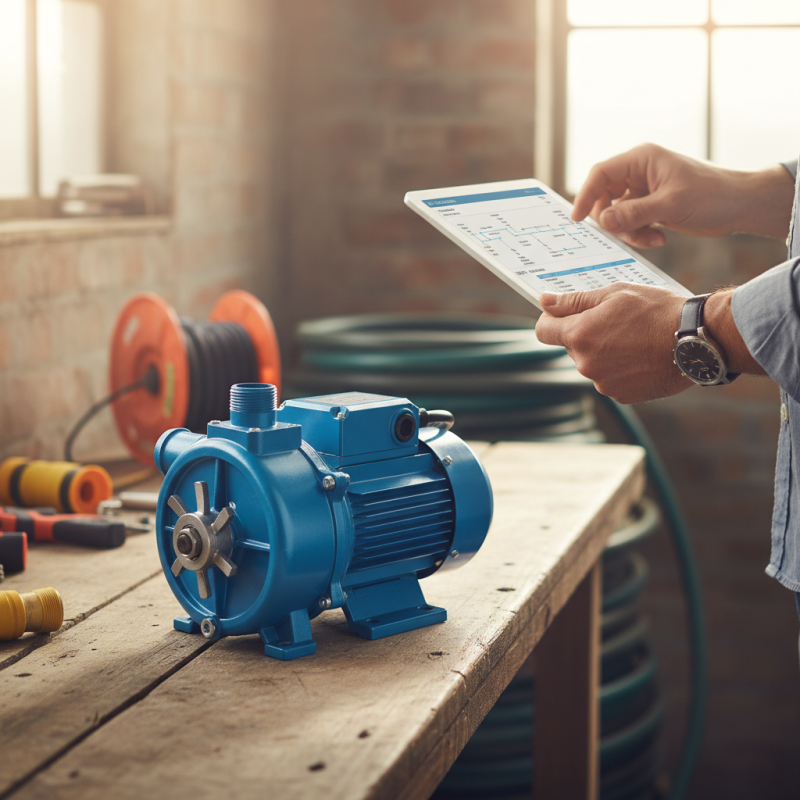
Understanding the Types of Small Electric Water Pumps Available Today
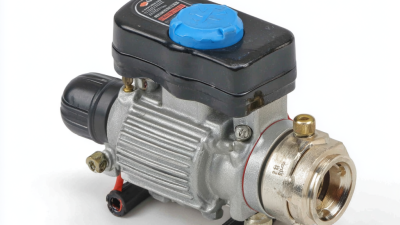
When it comes to small electric water pumps, understanding the types available is key. There are several options tailored for different needs. Submersible pumps are ideal for deep wells or underwater applications. They are effective and can handle a variety of water types. On the other hand, surface pumps work well for transferring water from ponds or tanks. They are easier to install but may struggle with deeper sources.
Tip: Assess your water source before choosing a pump. This will save you time and effort in installation. If you're pumping water from a shallow source, a surface pump is likely enough. But if you're dealing with deeper water, a submersible pump is necessary.
Another type is the self-priming pump. These are convenient but may not always achieve the same performance levels as others. If you rely heavily on a pump for daily chores, consider the power and efficiency of your options.
Tip: Always check the pump's specifications. Match them with your needs. This simple check can help prevent disappointment. Selecting the wrong type can lead to inefficiency or even device failure. Evaluate your requirements carefully to ensure satisfaction with your final choice.
2026: How to Choose the Right Small Electric Water Pump for Your Needs?
Assessing Your Water Flow and Pressure Requirements for Optimal Usage
When choosing a small electric water pump, understanding your water flow and pressure needs is crucial. Assess how much water you need to move. Is it for a garden irrigation system or for household tasks? The desired flow rate often influences pump selection. Aim for a pump that can deliver adequate volume without excessive energy use.
Pressure plays a vital role as well. You might think a higher pressure is always better. But too much pressure can damage your pipes or equipment. Measure the required pressure. This often varies based on distance and elevation.
Consider how far water must travel and any height differences. Not every situation needs extreme power.
Once you assess these needs, you can narrow your options. However, you may face challenges in matching pump specifications to real-world applications. For instance, a pump might meet your flow but underperform in pressure. Or, a low-cost option may suffice but lack durability. Reflect on how your choices align with your actual usage. Only by evaluating these factors can you make a suitable selection.
Key Features to Consider: Portability, Durability, and Energy Efficiency
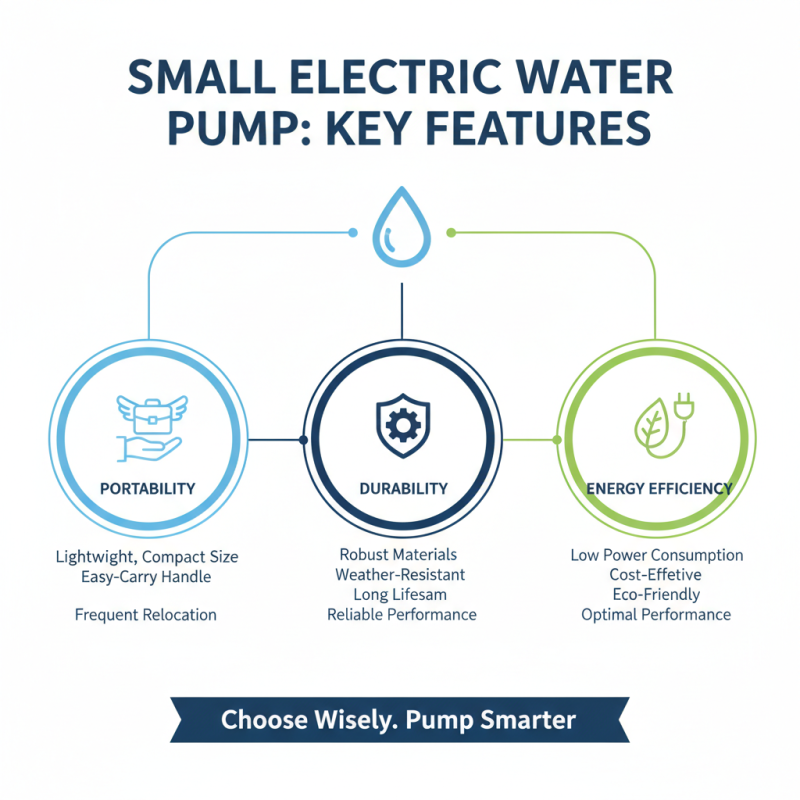
When choosing a small electric water pump, several key features should be at the forefront. Portability is crucial. A lightweight design is more manageable and easier to transport. You might consider how often you need to move it. If you are frequently switching locations, a compact size is vital. Some pumps have convenient handles, making them easier to carry.
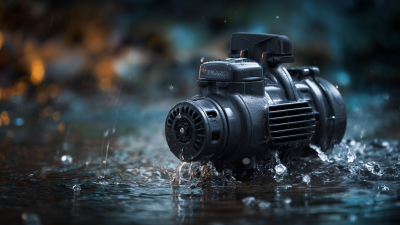
Durability is another important feature. Look for pumps made with sturdy materials. A well-constructed pump can withstand harsh conditions and last longer. Some models may look sturdy but fail in tough environments. Check for customer reviews on durability to gauge real-world performance.
Energy efficiency is often overlooked. A pump that consumes less power will save money over time. However, don't just choose based on energy ratings. Some efficient models might have lower pumping capacity. Balance efficiency with performance to meet your real needs. Sometimes, a more efficient product may not fulfill your immediate requirements. Reflecting on these aspects can help you make an informed decision.
Evaluating Brand Reputation and Customer Reviews in the Water Pump Industry
When selecting the right small electric water pump, brand reputation matters. Look beyond flashy marketing. Dive deep into customer reviews for genuine insights. They reveal real-world performance. Users often share details about durability, efficiency, and customer service. Pay attention to recurring themes in feedback. If many reviews mention a common issue, it’s a red flag.
Tips: Read reviews from multiple sources. Don’t rely on one platform. Check forums and social media for honest opinions. Look for pictures in reviews to see the product in action. This can help gauge the pump's construction and design.
Be wary of overly positive reviews. They can seem scripted. Authentic reviews often include criticisms, no product is perfect. Consider the quantity of reviews too. A small number of glowing reviews can be misleading. A well-reviewed product with a solid reputation can save time and money in the long run. Remember, the right pump should meet your specific needs, so always research before choosing.
Cost Analysis: Budgeting for Initial Investment and Long-Term Maintenance
When selecting a small electric water pump, understanding costs is crucial. The initial investment can vary widely. Basic models may start around $100, while advanced systems can exceed $500. Many consumers overlook these price points. According to recent industry reports, nearly 30% of buyers underestimate long-term maintenance costs. These can add another $50 to $200 annually, depending on usage.
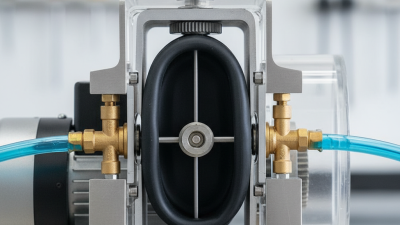
Maintenance often includes regular part replacements and occasional repairs. It's essential to factor these into your budget. Neglecting maintenance can lead to more significant problems. For instance, a worn-out diaphragm may cause reduced efficiency or complete failure. Research shows that pumps that are regularly maintained can last significantly longer—up to 20% more.
Financial planning should also consider energy consumption. A small electric water pump may consume around 300 to 500 watts. If operated frequently, this can lead to substantial electricity bills. Evaluate your specific needs carefully. Sometimes, a less powerful pump is more cost-effective in the long run. Balancing initial cost, maintenance, and long-term energy use can help guide your choices wisely.
2026 How to Choose the Right Small Electric Water Pump for Your Needs? - Cost Analysis: Budgeting for Initial Investment and Long-Term Maintenance
| Pump Type |
Initial Cost ($) |
Power Consumption (W) |
Average Lifespan (Years) |
Annual Maintenance Cost ($) |
Total Cost Over 5 Years ($) |
| Submersible Pump |
100 |
150 |
10 |
30 |
250 |
| Surface Pump |
120 |
200 |
8 |
25 |
320 |
| Jet Pump |
150 |
250 |
7 |
35 |
445 |
| Diaphragm Pump |
130 |
100 |
12 |
20 |
220 |