How to Choose the Best Water Transfer Pump for Your Needs?
Selecting the right water transfer pump can seem overwhelming. There are various options available, each with unique features. Understanding your specific needs is crucial. Different tasks require different pumps. For instance, moving water from a flooded basement demands a different approach than irrigation.
When considering a water transfer pump, think about its power and capacity. Some models excel in efficiency, while others are designed for heavy-duty tasks. Portability is another factor. If you need a pump for various locations, lightweight models can be beneficial. However, they may lack power.
Ultimately, the best water transfer pump should align with your requirements. Investing time in research can save you headaches. Many pump users face challenges that could have been avoided with informed choices. Reflecting on your needs will lead to a better purchasing decision.
Understanding Water Transfer Pumps: An Overview of the Technology
Water transfer pumps are essential tools in various industries and settings. These pumps are designed to move water from one location to another efficiently. They can handle clean water, wastewater, or other fluids, making them versatile in applications from agriculture to construction. Understanding the technology behind water transfer pumps helps users select the right type for their specific needs.
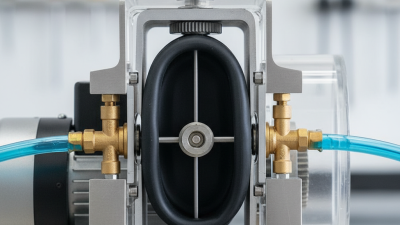
There are different designs, including centrifugal and diaphragm pumps. Centrifugal pumps are widely used for their simplicity and effectiveness. They rely on rotating impellers to generate flow. Diaphragm pumps operate differently, using a flexible diaphragm to create suction and move fluids. Each type has its strengths and weaknesses. For instance, centrifugal pumps excel in high-flow scenarios but may struggle with debris in the water. Diaphragm pumps can handle solids, but their flow rates are usually lower.
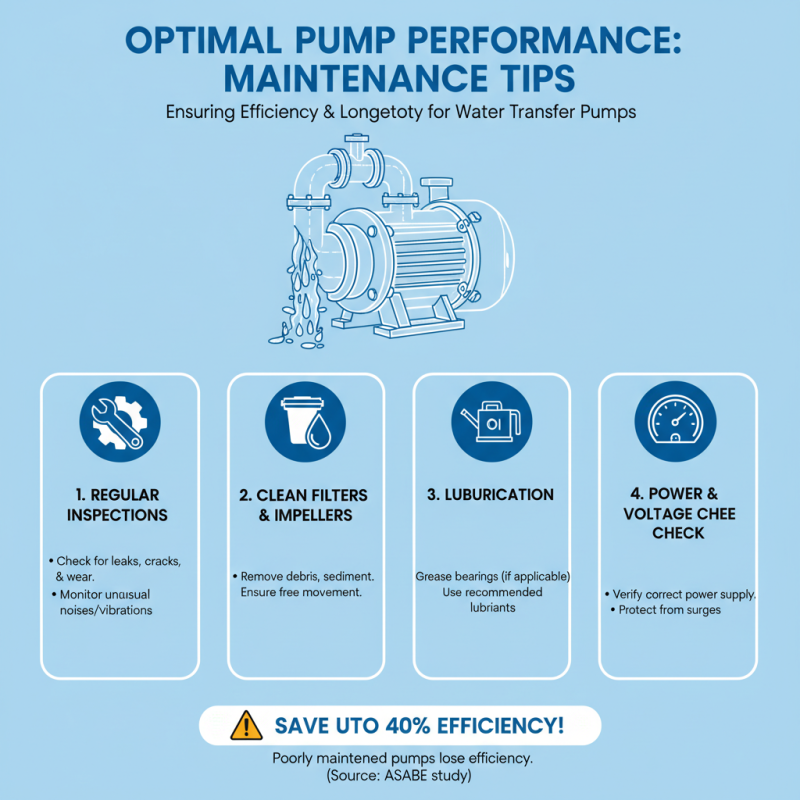
When selecting a water transfer pump, consider the types of fluids you'll be transferring and the distance involved. The pump's capacity and power source are crucial factors. Users often overlook maintenance as well. Regular upkeep ensures longevity and reliability. A pump that is not properly maintained can lead to inefficient performance. Hence, understanding the technology helps in making informed decisions for effective use.
Key Factors to Consider When Selecting a Water Transfer Pump
Choosing the right water transfer pump involves understanding your specific needs and the pump's capabilities. Key factors include flow rate, head lift, and material compatibility. According to industry reports, pumps generally vary in capacity. For household use, a pump with a flow rate of 10 to 30 gallons per minute is efficient, while larger projects might require pumps with 50 gallons per minute or more.
Material compatibility is crucial. Many pumps utilize plastic or stainless steel components. Some harsh substances can corrode these materials. It's vital to examine the nature of the liquids you'll transfer. Failing to do so can result in damage or premature pump failure.
Tip: Always check the manufacturer's guidelines on maximum lift height. A pump that can't handle the required head lift may not work effectively.
Evaluating energy efficiency is also essential. Reports show that energy-efficient pumps can reduce operational costs significantly. Look for models with better energy ratings. Remember, a certain level of investment upfront can lead to savings in the long run.
Tip: Consider long-term water usage requirements before purchasing. You may not need a high-capacity pump for occasional use. Reflect on whether a smaller, more budget-friendly option could meet your needs.
Water Transfer Pump Performance Comparison
Types of Water Transfer Pumps: Pros and Cons of Each Type
When selecting a water transfer pump, understanding the different types is crucial. Centrifugal pumps are common in residential settings. They are efficient for transferring clean water. However, they struggle with high viscosity fluids. According to a report from the American Society of Mechanical Engineers, these pumps can operate effectively at a flow rate of 2,500 gallons per hour (GPH).
Submersible pumps are favored for their ability to operate underwater. They are ideal for draining flooded basements or ponds. The downside is they require regular maintenance. A study by the Water Quality Association revealed that these pumps could be more expensive due to their complex design. Users often overlook the importance of proper maintenance and pump placement, leading to inefficiencies.
Positive displacement pumps work well with viscous liquids. They provide steady flow rates regardless of pressure changes. Yet, their complexity can lead to higher failure rates. Industry experts recommend testing these pumps under actual conditions. Failing to do so may cause users to underestimate their needs. Overall, each type has pros and cons, making it essential to align pump selection with specific requirements.
How to Choose the Best Water Transfer Pump for Your Needs?
| Type of Pump |
Pros |
Cons |
Ideal Use Case |
| Electric Water Transfer Pump |
Quiet operation, easy to use, no emissions |
Limited power, may require outlet access |
Home gardens, small farms |
| Gasoline Water Transfer Pump |
High power, portable, works in remote areas |
Noisy, emits fumes, requires fuel |
Construction sites, emergency water removal |
| Solar Water Transfer Pump |
Environmentally friendly, low operating cost |
Dependent on sunlight, higher initial cost |
Remote locations, off-grid applications |
| Submersible Water Transfer Pump |
Can pump from deep sources, efficient |
Installation can be difficult, limited by depth |
Water wells, swimming pools |
Assessing Your Water Transfer Needs: Volume, Distance, and Environment
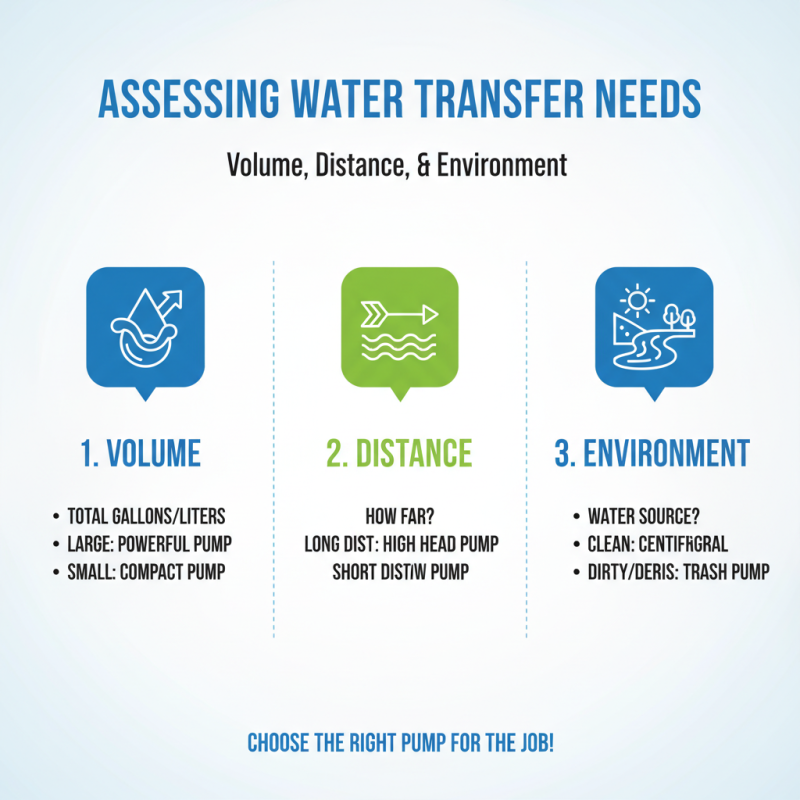
When choosing a water transfer pump, understanding your specific needs is crucial. Start by assessing the volume of water you need to move. Calculate the total gallons or liters to be transferred. If you're dealing with large amounts of water, a more powerful pump may be necessary. In smaller tasks, a compact model might suffice.
Next, consider the distance the water needs to travel. If the pump must transport water over long distances, efficiency is key. Check the pump’s lift capacity and maximum flow rate. These metrics are essential to ensure the pump can handle your required distance without losing effectiveness.
Tips: Always read reviews and ratings. Look for testimonials from users who faced similar challenges. This feedback can help you avoid costly mistakes. Lastly, evaluate the environment where the pump will operate. Is it wet and slippery or dry and dusty? Certain pumps perform better in specific settings. Choosing the right pump depends on all these factors, so think critically and make informed decisions.