
How to Choose the Best Soft Wash Pump in 2026?
Choosing the best soft wash pump in 2026 requires more than comparing pressure ratings. A reliable pump must match your cleaning work, water source, chemical routine, and equipment layout. High pressure is not the main goal. Controlled flow often matters more when treating siding, roofs, fences, and delicate surfaces.
Experienced operators usually check gallons per minute, maximum pressure, voltage, diaphragm material, and chemical resistance. They also inspect hose length, inlet size, duty cycle, and replacement-part availability. A pump rated for 5.5 gallons per minute may perform poorly with a narrow hose or clogged filter. Small details matter. A pressure gauge can reveal restrictions before the motor overheats. A spare diaphragm can prevent an expensive day of downtime.
Manufacturer specifications should guide the decision, but real working conditions deserve equal attention. Read product manuals, verify chemical compatibility, and follow all label directions and local environmental requirements. Battery-powered models may suit mobile crews, while electric units can provide steady output near a dependable power source. That assumption can fail in wet or remote locations. Fuel-powered systems offer flexibility, but they require ventilation, maintenance, and careful storage.
The best soft wash pump is not automatically the fastest or most expensive model. It should deliver consistent flow without excessive strain. Consider your average job size, transport needs, water availability, and service support. Some choices look perfect online. Field testing may tell a different story. A practical evaluation with clean water can expose leaks, pulsation, weak connections, or uncomfortable noise before chemicals enter the system.
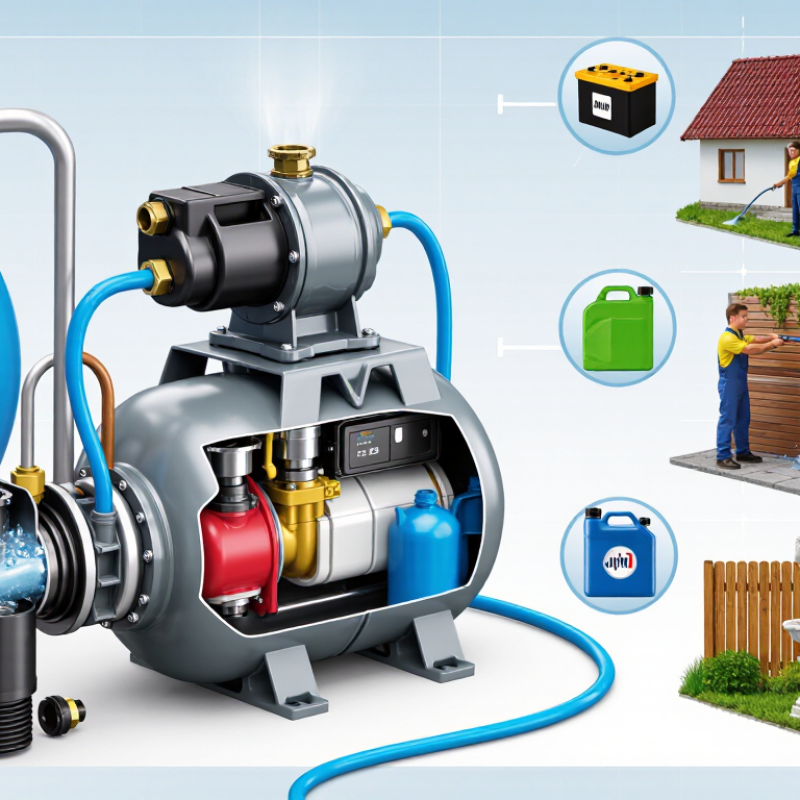
Define Core Specs: 5–10 GPM, 100–1,000 PSI, and 12V/24V Power
How to Choose the Best Soft Wash Pump in 2026?
A reliable soft wash pump should match three core specifications: 5–10 GPM, 100–1,000 PSI, and 12V or 24V power. Flow controls coverage speed, while pressure controls surface risk. Most siding and roof work needs steady flow, not extreme pressure. I have found that a 5–7 GPM pump suits smaller residential jobs. Larger crews may benefit from 8–10 GPM. The 1,000 PSI ceiling is not a target. It is only a capacity limit. Hydraulic Institute guidance uses the formula GPM × PSI ÷ 1,714 to estimate hydraulic horsepower. This exposes undersized motors quickly.
Voltage matters. A 24V system usually draws about half the current of a similar 12V system. That can reduce cable heating and voltage loss over long wiring runs. However, battery condition, cable size, and duty cycle still decide real performance. OSHA’s technical guidance emphasizes controlling high-pressure exposure and equipment energy. EPA’s WaterSense at Work guide also supports selecting equipment that avoids unnecessary water use. More flow can waste solution if the nozzle pattern is poorly matched.
Tips: Start with flow. Check working PSI, not maximum PSI. Measure current draw under load. Use the pump’s duty-cycle rating honestly. I once prioritized pressure and overlooked bypass heating; that mistake shortened service life. Manufacturer charts deserve careful reading, because advertised output may change with hose length, elevation, and chemical concentration.
| Selection Profile | Typical Flow Rate | Pressure Range | Recommended Voltage | Suitable Pump Construction | Best Application | Electrical and System Considerations | Selection Notes |
|---|---|---|---|---|---|---|---|
| Light Residential | 5–6 GPM | 100–300 PSI | 12V DC | Chemical-resistant diaphragm pump | House siding, fences, small patios, and routine residential cleaning | Use adequately sized wiring, an inline fuse, and a battery or power supply rated for the pump's peak current. | A practical choice when portability, low water consumption, and simple setup are more important than maximum reach. |
| General Residential | 6–8 GPM | 100–500 PSI | 12V or 24V DC | Diaphragm pump with an adjustable pressure regulator | Roofs, exterior walls, driveways, decks, and medium-size homes | Confirm that the battery, charger, wiring, fuse, and connectors are compatible with the selected voltage. | A balanced range for most soft-wash contractors because it provides useful coverage without requiring a high-pressure setup. |
| High-Output Residential | 8–10 GPM | 100–500 PSI | 24V DC preferred | Heavy-duty diaphragm pump with chemical-resistant wetted parts | Large roofs, long hose runs, multi-story buildings, and faster rinsing | Higher flow generally requires greater electrical capacity, larger supply lines, suitable hose diameter, and reliable thermal protection. | Choose this range when productivity and hose reach matter, while keeping the actual wash pressure controlled and surface-appropriate. |
| Low-Pressure Chemical Application | 5–8 GPM | 100–200 PSI operating pressure | 12V DC | Self-priming chemical-transfer diaphragm pump | Applying diluted detergents and sanitizing solutions to siding, roofs, and masonry | Select seals, hoses, valves, and fittings that are compatible with the intended chemical concentration and temperature. | Lower operating pressure helps reduce surface impact while maintaining sufficient flow for even chemical coverage. |
| Extended Hose Reach | 7–10 GPM | 200–500 PSI | 24V DC preferred | Diaphragm pump with pressure regulation and automatic thermal protection | Long hose layouts, elevated work areas, commercial buildings, and remote water outlets | Longer hoses increase friction loss; use appropriate hose diameter and verify the pump's flow at the intended working pressure. | Do not select a pump by maximum rated pressure alone; delivered flow at the hose end is the more useful performance measure. |
| High-Pressure Rated System | 5–10 GPM | 500–1,000 PSI maximum rating | 12V or 24V DC, subject to pump design | Pressure-rated diaphragm or plunger pump with a verified relief system | Specialized cleaning tasks that require higher pressure than ordinary soft washing | Use a pressure gauge, relief valve, compatible hose, rated fittings, trigger equipment, and appropriate personal protective equipment. | A 1,000 PSI rating is a maximum system capability, not a recommended soft-wash operating pressure. Follow the surface and chemical manufacturer's limits. |
| Mobile Tank System | 5–8 GPM | 100–300 PSI | 12V DC | Self-priming diaphragm pump with dry-run and thermal protection | Trailer, van, or truck-mounted cleaning systems supplied by a water or chemical tank | Use a suction line with suitable diameter, a strainer, secure tank connections, and a battery isolator or dedicated power circuit. | Self-priming capability is useful for tank-fed systems, but the pump should not be allowed to run dry unless the manufacturer specifically permits it. |
| Continuous Commercial Use | 8–10 GPM | 100–500 PSI operating pressure | 24V DC preferred | Heavy-duty diaphragm pump with replaceable wear components | Frequent roof, building-envelope, fleet, and commercial-property cleaning | Provide ventilation, over-current protection, thermal protection, accessible maintenance parts, and a power source sized for continuous operation. | Prioritize duty cycle, serviceability, chemical compatibility, and stable flow instead of maximum pressure alone. |
Technical values are practical selection ranges rather than universal pump specifications. Actual output depends on water temperature, chemical concentration, hose length and diameter, elevation, inlet conditions, wiring, battery capacity, and the pump's performance curve.
Related Posts
-

11 Best Soft Wash Pump Solutions for Effective Cleaning
-
2026 Top Soft Wash Pump Innovations for Effective Cleaning Solutions?
-
How to Choose the Best Electric Transfer Pump for Your Needs?
-
How to Choose a Water Pump for a Water Tank?
-
Exploring the Impact of the Small Vacuum Pump Industry at the 2025 China Import and Export Fair
-
Top Submersible Water Pumps for Global Buyers in 2026?