How to Choose the Right Auto Belt Tensioner for Your Vehicle?
Choosing the right Auto Belt Tensioner is crucial for your vehicle's performance. Improper tension can lead to premature component wear and costly repairs. According to the Automotive Aftermarket Industry Association, about 25% of all vehicle breakdowns are related to belt issues.
Selecting the correct tensioner not only affects your vehicle's efficiency but also your safety on the road. A well-functioning Auto Belt Tensioner ensures that belts maintain appropriate tension, reducing the risk of slippage and noise. Failure to prioritize this component could lead to engine complications, as belts drive critical systems like the alternator and water pump.
Moreover, not all tensioners are created equal. Variations in design, materials, and manufacturing quality can impact performance. A recent report from the Society of Automotive Engineers notes that many aftermarket options do not meet OEM specifications. Therefore, careful consideration is necessary when making your selection. In an ever-evolving automotive landscape, knowledge and awareness can prevent costly mistakes.
Understanding the Functionality of Auto Belt Tensioners in Vehicles
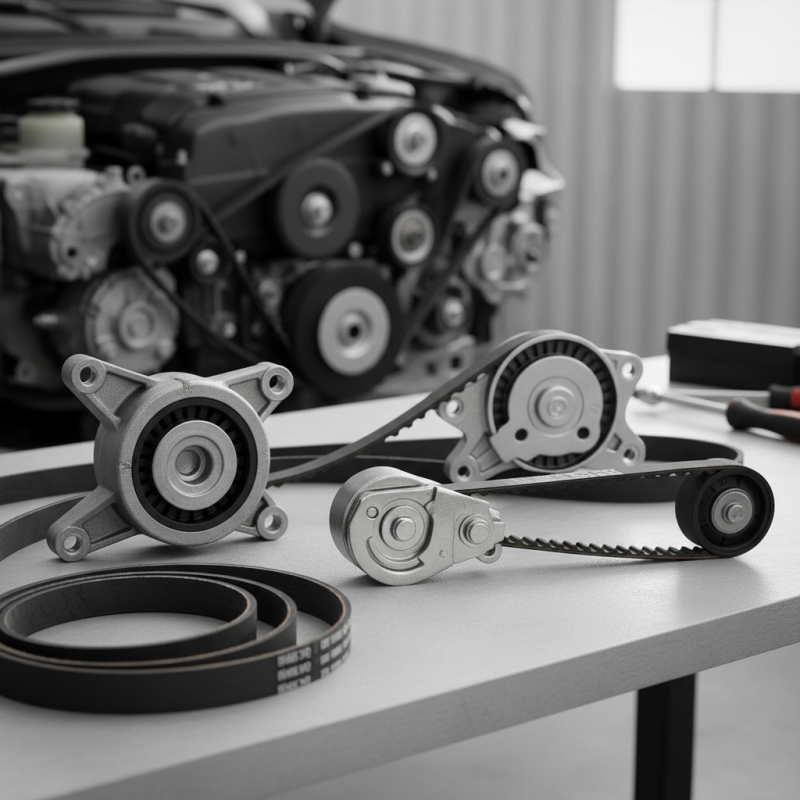
Auto belt tensioners play a critical role in the proper functioning of a vehicle's engine. These components maintain the right tension in the serpentine or timing belts. When in good condition, they ensure efficient power transmission from the engine to vital accessories. This includes the alternator, water pump, and air conditioning system. A well-functioning tensioner reduces wear and tear on belts, enhancing their longevity and reliability.
Understanding how these tensioners work can lead to better maintenance decisions. They operate on a spring principle, applying consistent pressure. Over time, tensioners can wear out, causing belts to slip or even break. Drivers may notice unusual noises or poor performance, signaling a need for inspection.
While many are confident in their ability to spot issues, not all listen closely enough to their vehicle. Relying on visual inspections can lead to missed signs of wear. Experienced mechanics often recommend more frequent checks. Observing small changes can prevent bigger problems down the road. It’s this attention to detail that helps keep a vehicle running smoothly.
Auto Belt Tensioner Performance Analysis
Types of Auto Belt Tensioners: Manual vs. Automatic Mechanisms
When choosing an auto belt tensioner, it's essential to understand the two main types: manual and automatic mechanisms. Manual tensioners require you to adjust the tension yourself. They often involve a simple tool or lever. This type can be cost-effective but may need regular adjustments as belts stretch over time.
Automatic tensioners, on the other hand, maintain proper tension as the belt wears. They use a spring-loaded mechanism that adjusts automatically. This convenience can prevent potential belt slip, which can cause engine performance issues. However, automatic tensioners may wear out faster, requiring more frequent replacements.
Tips:
Always consult your vehicle’s manual for specific tensioner recommendations. Keep an eye on belt wear and check the tensioner regularly. Signs of a failing tensioner include unusual noises or visible belt shavings.
Consider your driving habits. If you frequently drive in stop-and-go traffic, an automatic tensioner may save time and reduce wear. Balancing cost and convenience is important. Sometimes, the cheapest option might not provide the best long-term value.
Key Factors to Consider When Selecting a Belt Tensioner
When selecting a belt tensioner for your vehicle, several key factors must be considered. The type of engine and its specifications play a significant role. For instance, vehicles with higher horsepower often require more robust tensioners. Consider the material of the component as well. Many tensioners are made from plastic or steel; steel is generally more durable.
The compatibility of the tensioner with your vehicle's system is another essential aspect. It's crucial to verify that the tensioner matches the size and design of your engine. Installing an incorrect part can lead to issues like belt slippage or premature wear. Checking the tensioner design to ensure ease of installation is also wise. Some tensioners are easier to replace than others.
Cost is often a deciding factor, but don't let it compromise quality. A cheaper tensioner might save money initially but can lead to more significant issues down the line. Consider reviews or seek professional opinions to understand durability and performance better. Balancing cost, quality, and compatibility is essential for making an informed choice.
Industry Standards and Specifications for Auto Belt Tensioners
When it comes to choosing the right auto belt tensioner, understanding industry standards is crucial. Belt tensioners are engineered to maintain the correct tension on your vehicle’s belts. According to the Society of Automotive Engineers (SAE), belt tensioners must meet specific performance criteria related to durability and load capacity. They should also comply with the ISO 9001 standards, which focus on quality management systems in the automotive field.
The friction-based tensioning mechanism is a common design used in many vehicles. Reports show that a properly functioning tensioner can improve engine efficiency by up to 6%. However, factors like wear and environmental influences can lead to performance issues. Mechanic experts often recommend routine inspections to ensure compliance with industry benchmarks. This step is sometimes overlooked by vehicle owners, leading to potential failures or costly repairs later.
Data from the Automotive Industry Action Group (AIAG) stresses the importance of consistent maintenance. Many technicians advocate for replacing the tensioner during a full belt service. Ignoring this can affect the accessory drive system’s reliability. It's essential to stay informed about specifications and industry updates. Being proactive in your approach can save time and money in the long run.
How to Choose the Right Auto Belt Tensioner for Your Vehicle?
| Vehicle Make | Belt Tensioner Type | Specifications | Installation Guidelines |
| Toyota | Self-Adjusting | Torque: 50 Nm | Refer to manufacturer's manual. |
| Honda | Manual Adjust | Torque: 45 Nm | Ensure proper alignment when installing. |
| Ford | Spring Loaded | Torque: 55 Nm | Check for wear before installation. |
| Chevrolet | Hydraulic Tensioner | Torque: 60 Nm | Follow specific hydraulic fitting procedure. |
| Nissan | Automatic Tensioner | Torque: 40 Nm | Use calibrated torque wrench for adjustment. |
Signs of a Failing Belt Tensioner: When to Replace It
A failing belt tensioner can lead to serious engine issues. It regulates the tightness of the serpentine belt, which powers various engine components. If your tensioner is malfunctioning, several warning signs may appear. Listen for unusual noises like squeaking or grinding. These sounds often signal that the tensioner is not maintaining proper belt tension.
Another sign is visible wear on the belt. Check for fraying or cracks. A damaged belt can cause further harm to the engine. If you notice a decrease in accessory performance, such as dimming lights or power steering issues, the tensioner could be the culprit. Inconsistent performance often hints at a need for replacement.
Keep an eye out for any vibrations during engine operation. A vibrating tensioner may indicate that it is failing. Regularly inspect the tensioner and the associated components. Make it a habit to look for signs of wear and tear. Ignoring these signs could lead to additional costs down the line. Timely replacement can save you both time and money.