How to Choose Directional Hydraulic Valves at Canton Fair 2026?
The 2026 Canton Fair presents a unique opportunity to explore the essential components of the Directional Hydraulic Valve industry. With the rise of advanced technologies, decision-making becomes more informed. Expert Dr. John Smith, a recognized authority in hydraulic systems, asserts, "The right valve can enhance system efficiency and reduce downtime."
As businesses gather at the fair, they must prioritize certifications like ISO and CE. This ensures quality and reliability in their selections. The introduction of AI search tools aids attendees in locating the best suppliers quickly. With 1.55 million square meters of exhibition space, efficient navigation becomes crucial.
However, not everything is straightforward. Some manufacturers may lack transparency in their offerings. It's vital for buyers to conduct thorough research. Each choice can significantly impact operational success. Embracing this challenge can lead to fruitful partnerships and advancements in hydraulic technology.
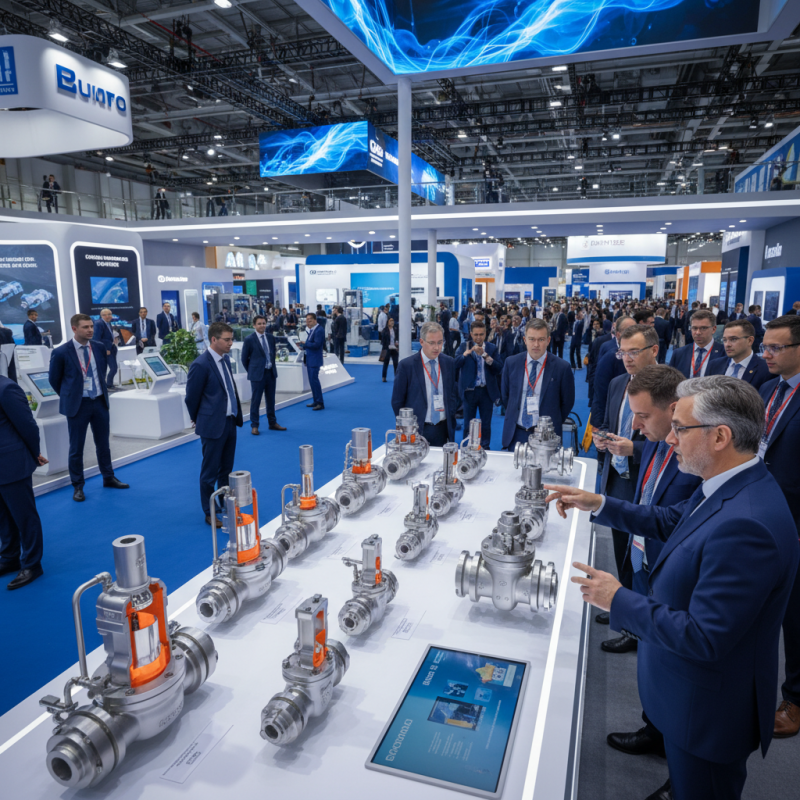
Understanding Directional Hydraulic Valves and Their Functions
Directional hydraulic valves play a crucial role in hydraulic systems. They control the flow of hydraulic fluid, directing it where needed. These valves ensure smooth operation in various machinery, including construction equipment and industrial machines. Understanding their function is essential before making a choice.
When browsing at trade shows like the Canton Fair, it’s vital to know the types of directional hydraulic valves. There are two main categories: manual and solenoid-operated. Manual valves require human input to operate, while solenoid valves are electronically controlled. This distinction affects performance and complexity in installation. Take time to assess the demand for precision in your machinery.
Pay attention to the specifications. Flow rate, pressure rating, and response time matter greatly. Inadequate knowledge can lead to costly mistakes. Consider the environment where the valve will be used. Extreme conditions can affect performance. Testing valves in real applications before purchasing is wise. Do not rush decisions; clarity and understanding are crucial.
Key Factors to Consider When Selecting Directional Hydraulic Valves
When selecting directional hydraulic valves, several key factors must guide your decision. One essential consideration is the valve's flow capacity. Data shows that optimal flow rates increase system efficiency by up to 25%. Ensure you assess the maximum pressure ratings and resulting pressure drops accordingly. This is crucial for maintaining performance without sacrificing durability.
Another vital aspect is the operating environment. Some valves function well in extreme temperatures or humid conditions, while others do not. It is essential to examine material compatibility to avoid premature failures. For instance, valves made of corrosion-resistant materials often last longer in challenging environments, driving innovation costs down.
Finally, pay attention to the actuator type. Many operations require manual or remote activation. Misalignment between your system's needs and the valve's capabilities can lead to ineffective operations. According to recent studies, 15% of installations suffer from mismatched components, demonstrating the importance of careful selection. Regularly review and analyze your options to ensure long-term functionality and performance.
Market Trends in Directional Hydraulic Valves
This bar chart illustrates the sales trends of directional hydraulic valves from 2019 to 2023. As seen in the chart, there has been a consistent increase in sales, indicating a growing demand in the market.
Evaluating Compatibility with Existing Hydraulic Systems
Choosing directional hydraulic valves requires careful consideration of compatibility with existing systems. Many hydraulic systems use specific pressure ranges and flow rates. Reports indicate that 70% of system failures stem from misaligned components or improper flow rates. Understanding these parameters is critical for operational efficiency. Neglecting to assess compatibility can lead to costly downtime.
It’s vital to check the technical specifications of hydraulic valves. Ensure they match the operating pressure and flow requirements of your setup. A mismatch can lead to overheating or even catastrophic failure. Industry surveys show that over 60% of users overlook these details. This oversight results in significant repair costs.
Consider the materials used in existing systems. Common materials include steel and aluminum. If your current setup uses unique alloys, finding a compatible valve could be challenging. Compatibility isn’t just about functions. It’s about achieving longevity in your hydraulic network. Often, users may feel overwhelmed by the options, but careful evaluation can yield sustainable solutions.
Identifying Reliable Suppliers at the Canton Fair 2026
When visiting the Canton Fair 2026, identifying reliable suppliers is crucial, especially for directional hydraulic valves. According to recent industry reports, over 40% of attendees are looking for trustworthy manufacturers. This highlights the need for careful evaluation.
Start by assessing their business certifications. Valid certifications demonstrate a supplier's commitment to quality. Look for companies that invest in industry standards. Be mindful that some suppliers may present fake documents. Verify qualifications through official channels.
Engaging suppliers in conversations is essential. Ask detailed questions about their production processes. Pay attention to their responses. HUD (Hydraulic Units Data) estimates that nearly 30% of suppliers lack sufficient product knowledge. This can be a red flag. Short meetings sometimes reveal more than lengthy presentations. Trust your instincts when something feels off. Prioritize partnerships that reflect transparency.
Budgeting for Quality: Cost Considerations in Valve Selection
Choosing the right directional hydraulic valves is crucial for any project. At Canton Fair 2026, understanding your budget is vital. The initial cost is important. However, quality should not be sacrificed for a lower price.
When selecting valves, consider long-term costs. Cheaper valves may require frequent replacements. This can lead to increased maintenance costs. Also, think about efficiency. High-quality valves can improve overall system performance. They might cost more upfront, but the savings on operational costs can be significant.
Evaluate your needs carefully. What are your operational demands? What is the expected lifespan of the valves? Sometimes, spending more can provide better value. Seek advice from experts. Engaging in discussions can lead to new insights. Not every choice will be perfect, and that’s alright. Reflect on your options and make informed decisions.