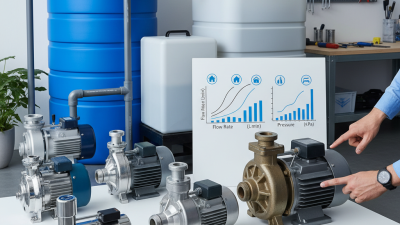
10 Best Water Tank Pumps Which One Is Right for You?
Choosing the right water tank pump can feel surprisingly complicated. A small pump may fill a household tank efficiently, yet struggle with long pipes or multiple outlets. Larger models offer stronger pressure, but they can consume more electricity and create unnecessary noise.
This guide examines ten practical options for different water systems, budgets, and installation conditions. The comparison considers flow rate, maximum head, motor power, energy use, noise, durability, and maintenance access. These details matter when a pump runs beside a bedroom, feeds an elevated tank, or supports garden irrigation. A reliable water tank pump should match your actual demand, not simply advertise the highest performance.
Real-world use also reveals details that product pages often miss. A pump may start smoothly but require careful priming. Another may perform well with clean water but clog when sediment enters the tank. Check valve quality, inlet size, warranty support, and replacement parts can influence long-term value. Installation guidance from qualified professionals remains important, especially for electrical connections and pressure systems.
No shortlist is flawless. Personal priorities change the result. One model may be ideal for a quiet home, while another suits a farm or larger property. This review aims to explain those trade-offs clearly, using practical evidence rather than impressive specifications alone. Read the comparisons carefully. Your best choice depends on water demand, tank height, pipe layout, and maintenance expectations.
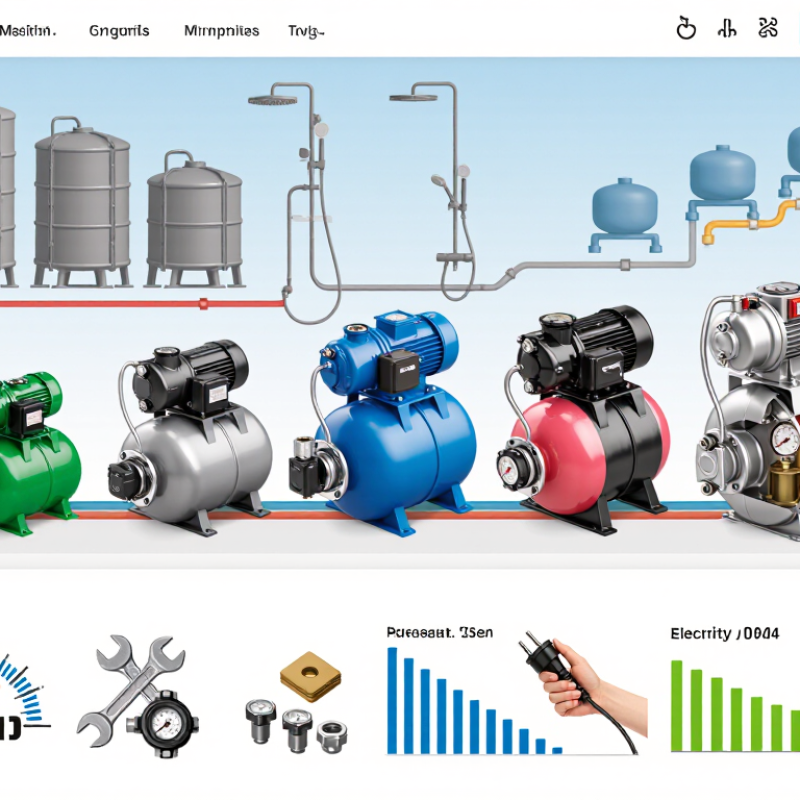
What a Water Tank Pump Does and When You Need One
A water tank pump moves stored water to taps, showers, irrigation lines, or appliances. It creates pressure when gravity alone cannot deliver a steady flow. In a typical setup, the pump draws water through an inlet pipe and pushes it through the household plumbing. Some pumps sit outside the tank, while submersible models work inside it. The correct design depends on tank height, pipe length, water demand, and elevation changes.
You may need one when an upstairs shower runs weakly, or when a rainwater tank sits below the house. A pump can also support garden irrigation across a long yard. It sounds simple. However, choosing only by horsepower can cause problems. An oversized pump may cycle rapidly, waste energy, and create harsh pressure surges. An undersized model may run constantly without reaching the required flow.
During an inspection, check the pump’s flow rate, maximum head, inlet size, and power requirements. A pressure gauge can reveal unstable performance. Dry-run protection is valuable because an empty tank can damage the motor quickly. Keep the inlet screen clean, and inspect for air leaks around threaded connections. I have found that many failures begin with poor installation, not defective equipment. Even a suitable pump may perform badly if the pipe is too narrow or the tank outlet is partly blocked. Local electrical requirements and manufacturer instructions should guide the final installation.
10 Best Water Tank Pumps Which One Is Right for You? - What a Water Tank Pump Does and When You Need One
| Type | Typical Flow Rate | Typical Maximum Head | Common Motor Size | Recommended Tank Capacity | Best Application | Control Method | Important Protection | Main Advantage |
|---|---|---|---|---|---|---|---|---|
| Submersible Tank Pump | 20–80 L/min | 20–60 m | 0.37–1.5 kW | 1,000–10,000 L | Large storage tanks and underground cisterns | Float switch or pressure controller | Dry-run, overload, and low-water protection | Quiet operation and strong pressure |
| Peripheral Pump | 10–40 L/min | 25–70 m | 0.37–1.1 kW | 500–3,000 L | Domestic water boosting where high pressure is needed | Pressure switch and accumulator tank | Thermal overload protection | High head from a compact pump body |
| Centrifugal Booster Pump | 30–150 L/min | 15–45 m | 0.55–2.2 kW | 1,000–20,000 L | Whole-house supply and irrigation systems | Electronic flow controller or pressure switch | Dry-run and motor-overheat protection | Good balance of flow, pressure, and efficiency |
| Self-Priming Jet Pump | 15–60 L/min | 25–50 m | 0.55–1.5 kW | 500–5,000 L | Tanks positioned above or near the pump | Pressure switch and non-return valve | Foot valve and dry-run protection | Can remove air from the suction line after priming |
| Transfer Pump | 40–250 L/min | 8–25 m | 0.25–1.5 kW | 500–50,000 L | Moving water between tanks, pools, and barrels | Manual switch or float switch | Inlet strainer and dry-run protection | High volume at relatively low pressure |
| Diaphragm Pressure Pump | 5–35 L/min | 15–45 m | 60–300 W | 50–1,000 L | Small homes, cabins, boats, and mobile systems | Built-in pressure switch | Thermal overload and pressure relief | Compact and suitable for intermittent demand |
| Rainwater Harvesting Pump | 20–100 L/min | 15–40 m | 0.37–1.5 kW | 2,000–20,000 L | Toilets, washing machines, and garden irrigation | Automatic demand controller | Floating intake, filtration, and low-level shutoff | Designed for stored rainwater and frequent starts |
| Solar DC Water Pump | 5–50 L/min | 10–60 m | 100–800 W | 500–10,000 L | Remote sites without dependable grid electricity | Solar controller with float switch | Overvoltage, dry-run, and reverse-polarity protection | Low operating cost and off-grid capability |
| Multistage Booster Pump | 20–100 L/min | 35–100 m | 0.75–3.0 kW | 2,000–30,000 L | Multi-story homes and high-pressure irrigation | Variable-speed drive or pressure controller | Dry-run, overload, and surge protection | High pressure with smoother performance |
| Sump-Style Drainage Pump | 80–300 L/min | 5–20 m | 0.4–1.5 kW | 1,000–50,000 L | Emergency emptying and rapid tank drainage | Tethered or vertical float switch | Waterproof motor housing and thermal protection | Very high flow for drainage tasks |
Note: Flow rate and head are typical operating ranges for each pump category. Actual performance depends on pipe size, elevation, water quality, duty cycle, and the specific pump curve.
The Main Types of Water Tank Pumps Explained
10 Best Water Tank Pumps: Which One Is Right for You?
Choosing among the main types of water tank pumps starts with flow, pressure, and installation conditions. Submersible pumps sit inside the tank and push water upward efficiently. They are quiet, compact, and useful when space is limited. Surface centrifugal pumps remain outside the tank, making inspection easier. However, they need proper priming and protection from dry running. Jet pumps suit shallow wells and moderate pressure demands, while booster pumps help maintain stronger pressure across multiple outlets. Solar-powered pumps can reduce grid dependence, but cloudy weather still affects performance.
The U.S. Department of Energy reports that pumping systems may consume 25% to 50% of electricity in some industrial facilities. That figure makes motor efficiency and correct sizing more than technical details. The UNESCO World Water Development Report 2024 notes that agriculture accounts for about 70% of global freshwater withdrawals. Irrigation tanks therefore need pumps matched to pipe length, elevation, and daily demand. A powerful pump is not always better. I have seen oversized units cycle frequently and waste energy. The tidy categories blur in real installations.
Tips: Measure the tank’s usable volume, outlet height, and pipe distance before buying. Check the pump’s rated flow at your actual head pressure, not at zero resistance. Add a dry-run sensor where water levels change sharply. Leave access for cleaning filters and checking seals. Slightly conservative sizing often proves more dependable, though site conditions can expose that assumption.
Key Specifications for Comparing Pump Performance
Choosing among the 10 best water tank pumps starts with specifications, not advertising claims. Match the pump’s flow rate to household demand, then check total dynamic head. This includes vertical lift, pipe length, elbows, filters, and outlet pressure. A pump rated at 40 litres per minute may deliver far less at six metres of head.
Efficiency matters during every operating hour. The U.S. Department of Energy’s Improving Pumping System Performance sourcebook notes that pumping systems can represent 25% to 50% of industrial electricity use. For a domestic tank, the absolute cost is smaller, but poor sizing still creates heat, noise, and wasted power. Compare input watts, hydraulic efficiency, duty-point performance, and automatic restart behaviour. Look for test data at your expected flow and head.
Check construction details closely. Stainless or reinforced polymer components can resist common tank environments, while an appropriate ingress-protection rating helps protect electrical parts from splashes. A pressure controller should avoid rapid cycling, especially when a tap opens briefly. I once focused too heavily on maximum flow and overlooked starting current; the pump tripped the circuit during morning use. That was a useful mistake. The International Energy Agency has estimated that electric motor-driven systems consume around half of global electricity, making efficient controls worth examining. Noise below 60 decibels may feel comfortable indoors, but installation surfaces can amplify vibration. Compare warranty conditions, spare-part access, and published test standards before choosing.
How to Match a Pump to Your Tank and Water Needs
Choosing a water tank pump starts with the tank, not the product list. Measure tank capacity, outlet size, and distance to every tap. A 1,000-litre tank supplying a garden needs less pressure than one feeding a two-storey house. Check the water source carefully. Is it rainwater, a shallow well, or a storage tank? Each condition changes the pump’s workload. I have seen pumps selected by horsepower alone, and that approach often disappoints. More power can mean noisy operation, wasted electricity, or damaged plumbing.
Match flow rate to real demand. Estimate how many outlets may run together, then add a small safety margin. Do not choose the maximum flow printed on a box. That figure usually assumes ideal conditions. Head height matters too. Add vertical lift, pipe length, bends, filters, and pressure losses. For example, a pump lifting water 8 metres through narrow pipe may work harder than expected. A pressure gauge and a simple flow test can reveal the difference. Measure twice.
Look for dry-run protection, thermal overload control, and an accessible filter. These features protect the pump when a tank empties or debris enters the line. Confirm the pump suits the water temperature and installation environment. Outdoor wiring needs qualified installation and suitable protection. Maintenance is practical: clean screens, inspect seals, and listen for new vibration. I would also leave room to revise the choice. Household use changes, and my first estimate may be wrong. A slightly quieter pump with modest capacity can serve better than an oversized one.
The 10 Best Water Tank Pumps Compared for Different Uses
Choosing the right water tank pump depends on flow, pressure, tank depth, and daily demand. A pump that works well for irrigation may perform poorly indoors. In practical installations, measuring pipe length and elevation prevents expensive guesswork. Pump curves matter more than impressive wattage.
A submersible pump suits deep tanks and quiet basement drainage. A centrifugal pump handles steady garden irrigation efficiently. A self-priming pump is useful when the water source sits below the pump. A booster pump improves weak household pressure. A pressure pump maintains more consistent shower and tap flow. A solar pump supports remote tanks, but cloudy weather reduces output. A diaphragm pump offers controlled flow for small systems. A jet pump can lift water from moderate depths, though it may be noisier. A transfer pump moves water quickly between storage tanks. A high-head pump serves elevated tanks, but often consumes more electricity.
Check the pump’s maximum head, rated flow, inlet size, and power supply before buying. Dry-run protection is valuable, especially when tank levels change quickly. Stainless or corrosion-resistant components usually last longer in damp environments. A filter helps protect the impeller from sand and leaves. My comparison is not absolute; actual performance changes with elbows, narrow pipes, and voltage loss. I once underestimated pipe friction. The pump worked, but the upper tank filled painfully slowly. Professional installation should include safe wiring, non-return protection, and accessible maintenance points.
Related Posts
-
How to Choose the Right Water Tank Pump for Your Needs?
-
What is the Functionality of a Water Tank Pump in Modern Water Systems
-
Why Investing in a Water Tank Pump is Essential for Efficient Water Management
-
7 Essential Tips for Choosing the Right Diaphragm Pump for Your Needs
-

7 Incredible Benefits of Using Fountain Pumps for Your Water Features
-
How to Choose the Right Diaphragm Pump for Your Needs?