Top Submersible Water Pump Options for Global Buyers?
In the global market for submersible water pumps, finding reliable options can be challenging. Known expert John Smith, a top industry analyst, states, "Submersible water pumps are vital for effective water management." This highlights their significance in various sectors, including agriculture, construction, and irrigation.
These pumps are designed to operate underwater. They are essential for draining flooded areas or supplying clean water. Choosing the right model is not straightforward. Understanding the requirements of specific applications is crucial. Factors such as power, capacity, and material must be considered.
Some pumps work efficiently, while others may fail under pressure. It's essential to analyze performance reviews and user feedback. An informed choice can lead to improved efficiency and lower costs. However, buyers should remain cautious and avoid rushing into decisions. Proper research and expert consultations are key to finding the perfect submersible water pump.
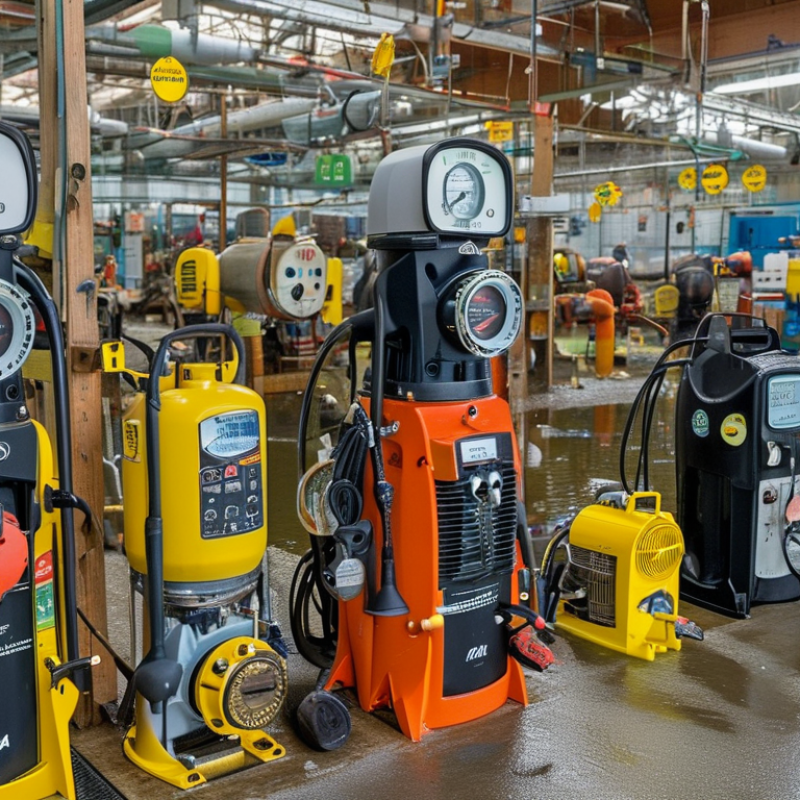
Top Submersible Water Pump Options for Global Buyers
When it comes to choosing submersible water pumps, buyers need to consider various factors. The demand for efficient water management solutions has surged globally. A recent industry report highlighted that the submersible pump market is projected to reach over $12 billion by 2027, driven by agriculture and residential applications.
Evaluating design and performance is crucial. Many pumps boast varying flow rates, ranging from 25 to 200 gallons per minute. Buyers often overlook the significance of durability and energy efficiency. Robust pumps use less power, reducing long-term costs. Reports suggest that energy-efficient models can cut operational costs by up to 30%.
Quality control remains a concern in the market. Lack of standardization can lead to unreliable products. Potential buyers should seek out manufacturers that adhere to international quality certifications. Transparency in product specifications and testing results can also enhance decision-making. Each of these factors contributes to a buyer's confidence in making the right selection.
Types of Submersible Water Pumps and Their Applications
Submersible water pumps come in various types, each suited for specific applications. One common type is the sewage pump. These pumps handle wastewater and are essential in municipal systems and residential properties. They help prevent clogs and backflow, ensuring efficient drainage.
Another popular option is the borehole pump. These pumps are designed for deep wells and are often used in agricultural settings. They can draw water from significant depths, making them vital for irrigation and livestock needs. Their efficiency in water extraction can greatly impact farming productivity.
When selecting a submersible water pump, consider its application. Evaluate the depth and type of fluid it will handle. A pump designed for clean water may not work well with sewage. Always check the specifications and matching requirements. This can prevent costly errors down the line.
Tips for maintenance are crucial. Regularly inspect the pump for wear and tear. Keep the surrounding area clear of debris. This ensures it operates effectively and prolongs its lifespan. Not checking these details can lead to unexpected breakdowns.
Key Features to Consider When Choosing a Submersible Water Pump
When selecting a submersible water pump, understanding key features is crucial. Buyers should prioritize pump materials. Stainless steel offers durability and resistance to corrosion, which is essential for longevity. Thermoplastic pumps are often lighter, making them easier to install in tight spaces. However, they may not perform as effectively in heavy-duty applications.
Another significant factor is the motor power. According to recent industry reports, pumps with a power range from 0.5 to 3 horsepower are suitable for most residential needs, while industrial applications may require much higher power outputs. It is also vital to examine the pump's flow rate. A higher flow rate can expedite tasks like draining pools or irrigation, although it may increase energy consumption.
Additionally, consider the pump's head height, which defines how high water can be moved. A pump with a higher head height can be more versatile for various applications. Industry studies recommend a head height that exceeds the vertical distance between the pump and discharge point by at least 20%. This ensures efficient operation. Lastly, always check user reviews and expert recommendations; they can provide insights into real-world performance and potential issues.
Top Submersible Water Pump Options for Global Buyers
The chart above compares key features of submersible water pumps that potential buyers should consider. The data reflects important attributes such as flow rate, power consumption, maximum head, and price, providing a clear visual representation for making informed purchasing decisions.
Leading Brands and Manufacturers in the Submersible Pump Market
The submersible pump market has seen remarkable growth. According to industry reports, it is projected to reach $25 billion by 2026. This increase stems from various applications, including dewatering, groundwater extraction, and wastewater management. A diverse range of manufacturers provides options tailored to different needs. Selecting the right brand plays a crucial role in efficiency and durability.
When assessing the leading brands, consider factors like performance and reliability. Research shows that efficiency ratings can vary significantly across models. A pump with a high efficiency rating typically saves on energy costs, making it a smart choice for long-term use. However, not all products live up to their claims. Buyers should be cautious and perform due diligence when evaluating options.
When buying, take note of the specifications. Look for pumps that offer variable speed settings. This feature allows for better energy management. Additionally, always check user reviews for first-hand experiences. Some buyers have reported issues with durability in certain brands. Understanding these aspects can lead to more informed decisions. Consider conducting field tests if possible before finalizing a purchase.
Comparative Analysis of Price and Performance for Global Buyers
When selecting a submersible water pump, buyers face diverse choices. The performance of these pumps varies widely based on design and purpose. Factors like flow rate, motor power, and build quality profoundly influence efficiency. Not all pumps are created for the same environment. Some excel in residential settings, while others thrive in industrial applications. Understanding these differences is crucial.
Price is another pivotal aspect. The price range fluctuates significantly. While high-end options promise superior durability, more affordable models may lack certain features. Buyers often grapple with balancing cost and functionality. It's essential to weigh long-term benefits against upfront expenses. Some low-cost options might lead to frequent replacements, affecting overall value. Evaluating the expected lifespan against the price can clarify the best choice.
User reviews and expert recommendations can help illuminate the path forward. However, individual experiences often vary. Not every pump works effectively for every situation. An inquiry into specific needs and conditions can yield better results. Engaging with user feedback from various platforms offers insights but requires careful consideration. Enabling informed decisions is key to finding the right submersible water pump for unique applications.
Top Submersible Water Pump Options for Global Buyers
| Model |
Flow Rate (GPM) |
Max Head (ft) |
Power (HP) |
Price (USD) |
| Model A |
30 |
50 |
1.5 |
200 |
| Model B |
40 |
60 |
2.0 |
250 |
| Model C |
25 |
40 |
1.0 |
150 |
| Model D |
35 |
55 |
1.5 |
220 |
| Model E |
20 |
30 |
0.75 |
120 |