Top 5 Tips for Choosing the Best Small Vacuum Pump
When selecting a small vacuum pump, the choices can seem overwhelming. Many options exist, but not all are suitable for your needs. A small vacuum pump is essential for tasks like food preservation, laboratory work, and automotive applications. Understanding what to look for can vastly improve your efficiency and results.
One key factor to consider is the pump's capacity. This varies across models. Ensure it fits your specific tasks. Additionally, take note of the pump's noise level. Some small vacuum pumps can be very loud. Choose one that allows for comfortable use in your workspace.
Another aspect is the brand's reputation. Researching trusted brands helps ensure quality. Not all pumps are made equal; a cheaper model might disappoint. Returning to faulty products is frustrating. Finally, consider the warranty and customer support provided. Having reliable assistance can be invaluable in case of issues. With these tips in mind, finding the right small vacuum pump becomes less daunting.
Understanding the Different Types of Small Vacuum Pumps
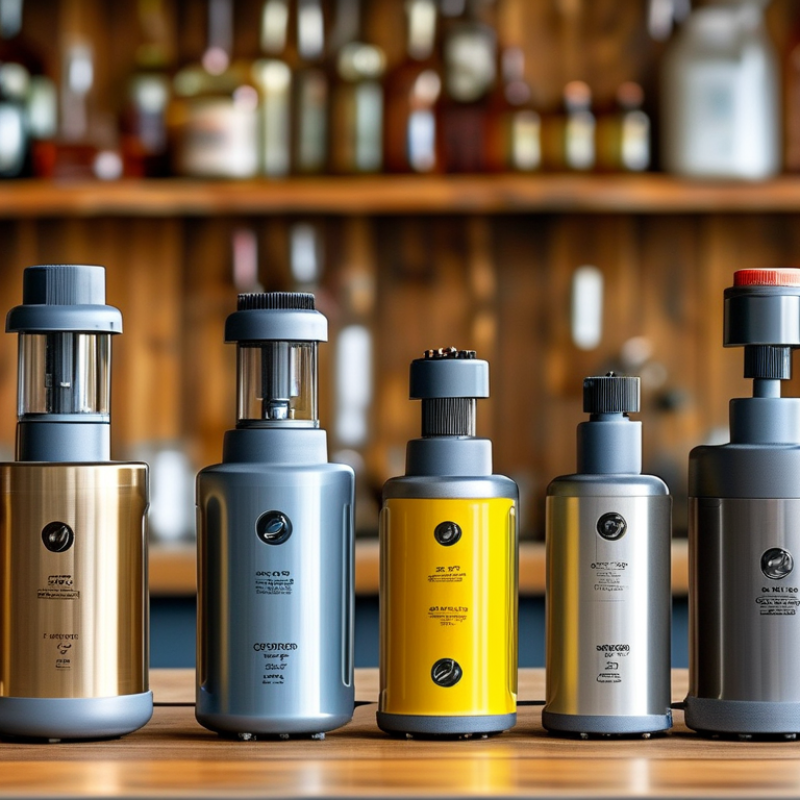
When exploring small vacuum pumps, understanding their different types is essential. There are three main categories: positive displacement, venturi, and diaphragm pumps. Each has distinct features and applications, influencing your choice based on your specific needs. For instance, positive displacement pumps are great for creating strong suction in a compact design. Venturi pumps use air pressure to create a vacuum, making them suitable for lighter tasks. Diaphragm pumps are versatile and ideal for sensitive applications.
Choosing the right pump requires careful consideration. Think about the vacuum level you need. Low vacuum applications might only need a simple diaphragm pump, while high vacuum applications require more advanced options. Assessing the pump’s noise levels can also be critical. Sometimes, a quieter option sacrifices power, which may not suit your needs.
Consider ease of maintenance, too. Some pumps need regular oil changes, while others offer oil-free operation. This might impact long-term costs and convenience. Remember, the best choice depends on your specific application and environment. Reflecting on these factors will help you make a more informed decision. Don't overlook space limitations, as some pumps might be compact yet powerful enough for your tasks.
Evaluating Performance Specifications for Optimal Efficiency
When evaluating performance specifications for small vacuum pumps, focus on key factors. The ultimate goal is efficiency, which can drastically impact your projects. Consider the pump's pressure range first. A vacuum pump that achieves the desired vacuum level will give you optimal performance. Knowing the required pressure for your application allows for better selection.
Another aspect to examine is the flow rate. This metric indicates how quickly the pump can evacuate air. If the flow rate is too low, it can hinder tasks requiring rapid vacuum conditions. Monitor the pump's specifications closely. Underperformance can lead to longer wait times or inadequate vacuum levels, causing frustration.
Durability and maintenance requirements are also crucial. Some small pumps may require frequent servicing, impacting efficiency over time. Assessing the pump's build quality is vital. Check materials and construction methods used in design. Understanding these aspects may require in-depth research. Pay attention to reviews and feedback from users who have faced similar challenges, learning from their experiences can guide your choice.
Considering the Size and Portability of a Vacuum Pump
When selecting a small vacuum pump, size and portability are key factors. A compact vacuum pump is often more convenient for users requiring mobility. According to a recent industry report, models weighing less than 5 pounds are increasingly popular for their ease of transport. Many professionals in laboratories and service industries value this portability as it allows for better handling in confined spaces.
Understanding the intended use is critical. For smaller operations or home projects, a pump with a capacity under 2 CFM may suffice. However, those needing higher performance should consider pumps with adjustable flow rates. Not all applications demand high power; some tasks are efficiently performed with less. This aligns with the user’s environment and the specific requirements, such as vacuum levels.
Maintenance is another aspect to reflect on. Lightweight models may have less durability than heavier, industrial-grade options. Regular servicing is necessary to ensure longevity. Users should be aware that neglecting these aspects can lead to decreased performance over time. An informed choice balances size, weight, and efficiency, ensuring the right tool for the task.
Assessing Noise Levels and Operating Convenience
When choosing a small vacuum pump, assessing noise levels is crucial. Many users overlook this factor. A noisy pump can disrupt work or disturb others. Consider the decibel rating before purchase. Look for models that are quiet yet effective. A sound level below 60 decibels is generally acceptable for home or office environments.
Operating convenience is another essential aspect. Evaluate the ease of use. A pump that requires complex setup can lead to frustration. Features like automatic shut-off or built-in filters can enhance usability. Additionally, portability matters. If you plan to move it frequently, weight and size become significant. Choose lightweight models that are easy to transport.
There's also the issue of maintenance. Some pumps need regular servicing, while others do not. A pump that’s hard to clean may deter regular use. Look for user-friendly designs that facilitate maintenance. Reflect on these factors. Neglecting them could lead to poor choices and unexpected challenges.
Reviewing Brand Reputation and Customer Feedback for Reliability
When selecting a small vacuum pump, brand reputation serves as a vital guideline. Established brands often have a history of reliable products. Users frequently evaluate their experiences online. This feedback provides insights into performance and durability. Reading reviews allows potential buyers to gauge how a pump performs in real-world scenarios. Many customers share both praise and criticism. Positive comments can signal quality, while negative ones may highlight issues.
Customer feedback should not be overlooked. It's essential to analyze trends in reviews, rather than focusing on isolated experiences. Some may report inconsistencies in suction power or noise levels. Others might mention how user-friendly the setup is. Understanding these common themes aids in making informed choices. However, remember that not every review reflects universal truth. Individual experiences vary widely.
Choosing the right vacuum pump is as much about research as it is about reviews. Balance user feedback with manufacturer claims. Conduct thorough investigations into product specifications. Consider industry ratings, as they can add a layer of reliability. A vacuum pump should meet specific needs, and user experiences often reveal if those needs are met. Ultimately, the decision should reflect both expert standards and personal requirements.
Customer Feedback Ratings for Small Vacuum Pumps