Best Micro Switches for Your Projects in 2026?
In recent years, micro switches have gained significant attention in various industries. According to a market report by Research and Markets, the global micro switch market is expected to reach $1.02 billion by 2026. This growth is attributed to the increasing demand for automation in sectors such as electronics, automotive, and industrial equipment.
Micro switches are essential components that provide reliable and precise control in devices. They are widely used in applications ranging from home appliances to complex machinery. The versatility of micro switches allows them to operate efficiently in diverse conditions. However, there are challenges in selecting the right type for specific projects.
It's crucial to consider factors like operating temperature, electrical ratings, and size. With various options available, users often struggle to find the perfect fit. This guide explores the best micro switches for your projects in 2026. It aims to provide insights that address both the strengths and weaknesses of different types. The goal is to help users make informed decisions, ensuring the longevity and efficiency of their projects.
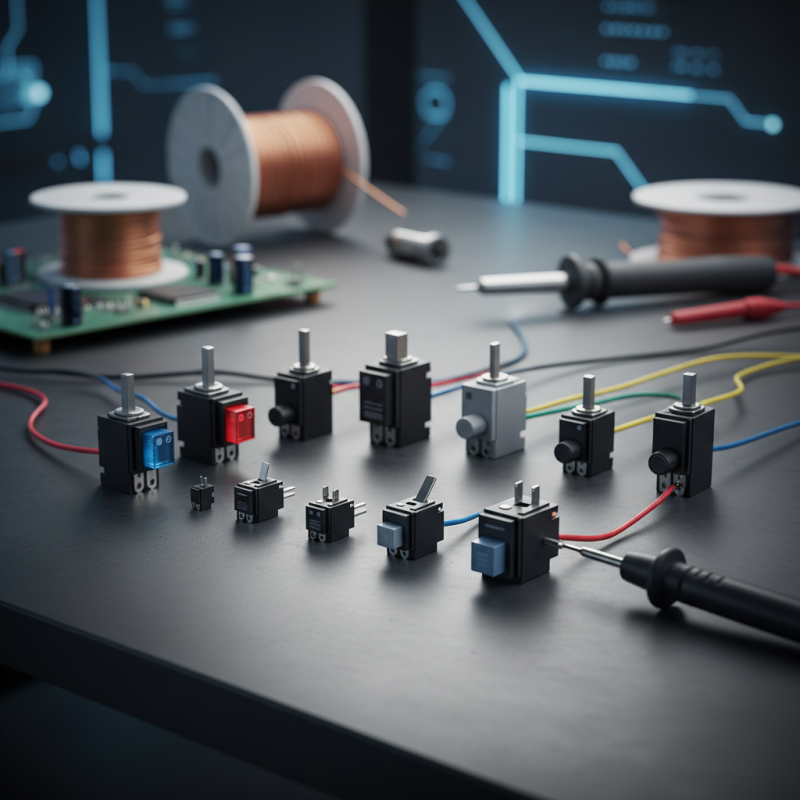
Overview of Micro Switches and Their Applications
Micro switches are compact devices that play a crucial role in various applications. They are designed to make or break an electrical circuit when a small mechanical force is applied. You can find these switches in everyday gadgets. They are in household appliances, automotive controls, and industrial machinery. Their reliability makes them a popular choice among engineers and hobbyists alike.
When selecting micro switches for your project, consider the actuator type. Different actuators offer various mechanical advantages. A roller actuator may provide a smoother operation, while a lever actuator could be more suited for specific tasks. Also, pay attention to the switch's rating. Ensure it can handle the voltage and current requirements of your project.
Tip: Always consider testing switches under load before finalizing your design. This can reveal issues that may not be apparent during initial testing.
Micro switches can have a rigid structure but might not suit every application. Some might fail prematurely if not properly rated. Reflect on your specific needs and avoid one-size-fits-all solutions. The right choice can make a big difference in performance and durability.
Tip: Experiment with different types before making a bulk purchase. This will ensure you find the best fit for your needs.
Key Features to Consider When Choosing Micro Switches
When selecting micro switches for your projects, several essential features come into play. One primary aspect is the actuation force. Different applications require varying levels of force to activate. A switch that is too sensitive may lead to unintended activations. On the other hand, a switch with too high a force may be challenging to operate. Testing the force needed can save significant frustration later.
Durability is another crucial factor. Micro switches are used in various environments, from home appliances to industrial machinery. Choosing switches with appropriate materials can enhance their lifespan. Look for options that mention their electrical and mechanical endurance ratings. However, some may ignore these details only to face issues with failure down the line.
The physical size and mounting type also play a vital role in choosing the right micro switch. Some projects require compact designs, while others benefit from larger sizes that allow additional features. Pay attention to the configuration of the mounting options too. They can affect how the switch integrates into your design. Not considering these may lead to compatibility problems later.
Best Micro Switches for Your Projects in 2026 - Key Features to Consider When Choosing Micro Switches
| Feature | Description | Consideration |
| Operating Force | The amount of force required to activate the switch | Choose based on application needs for sensitivity |
| Actuation Type | The method by which the switch is activated (e.g., roller, paddle) | Select for compatibility with your design and design dimensions |
| Contact Rating | The maximum current and voltage that the switch can handle | Ensure ratings fit the electrical requirements of your project |
| Life Cycle | The expected number of operations before failure | Longer life cycles are preferable for durability |
| Size and Shape | Physical dimensions and configuration of the switch | Consider available space in your project design |
| Environment | Operating conditions such as temperature and exposure to contaminants | Select switches rated for the environment of your application |
| Mounting Type | The way the switch is attached to the device (e.g., panel mount, PCB mount) | Ensure it fits within your assembly requirements |
Top Brands and Models of Micro Switches for 2026
Micro switches play a crucial role in various applications, from appliances to industrial machinery. In 2026, the demand for these small yet powerful components is expected to grow significantly. According to industry reports, the global micro switch market is projected to reach $4 billion, driven by innovations in automation and robotics. Many manufacturers are investing in advanced technologies to enhance the reliability and efficiency of their products.
When looking for the best models for your projects, consider factors such as durability, response time, and overall performance. Recent evaluations indicate that micro switches with gold-plated contacts offer superior reliability in high-frequency operations. Additionally, tactile feedback can greatly improve user experience in applications like gaming devices. However, not all switches with these features perform well under various environmental conditions. Some may fail in extreme temperatures or humidity. It's vital to choose models that not only meet specifications but also withstand real-world challenges.
Furthermore, many users overlook the importance of mounting options and size in their projects. Micro switches come in various shapes and styles, which can affect installation and functionality. Some models may be too bulky, while others may lack the necessary sensitivity. Research shows that 15% of project failures stem from improper switch selection. This highlights the need for careful consideration during the design phase. For 2026, prioritizing the right model can result in improved performance and reliability in your applications.
Future Trends in Micro Switch Technology and Innovation
Micro switches are essential components in various applications. As we approach 2026, the trends in micro switch technology indicate significant advancements. According to a recent industry report, the micro switch market is expected to grow at a CAGR of 6% from 2021 to 2026. This growth is driven by increasing demand in automation and robotics.
One notable trend is miniaturization. Devices are becoming smaller, and so are the switches. Micro switches are being developed to fit tighter spaces while maintaining performance. This poses challenges in terms of reliability. Smaller components can lead to higher failure rates if not designed carefully. Innovations in materials, like silicon-based solutions, may address these issues. However, there's still work to be done to ensure durability.
Another trend is the rise of smart technology. Micro switches are being integrated into smart devices. These switches can now communicate wirelessly. It's exciting but also creates new complexities. Security risks emerge as these devices connect to the internet. Manufacturers must prioritize cybersecurity in their designs. Despite innovations, many switches fall short in reliability. Continuous improvement is crucial to meet the demands of modern applications.
How to Integrate Micro Switches into Your Projects
Micro switches are essential components in many projects. They can manage various functions like toggling and detecting motion. Integrating micro switches into your designs doesn’t have to be challenging. Think about your project needs first. Define how you want the switch to behave. Will it activate with a slight press or a strong force? Knowing this will guide your selection process.
Installing a micro switch requires careful planning. Make sure to create an appropriate housing that fits the switch snugly. Flimsy mounts can lead to misalignment and misfires. It’s crucial to test the positioning before finalizing your design. Sometimes, finding the right placement may take multiple attempts. Track your adjustments and note what works well and what does not. This process can be frustrating but is invaluable for long-term success.
Wiring is another vital step. Pay attention to how you connect your micro switches. A simple mistake can cause circuits to short out. Keep wires neat and organized to avoid confusion. If your switch is not working correctly, don’t hesitate to troubleshoot. It’s common to overlook minor details. Reflection on your setup can lead to improvements down the line. With patience and perseverance, you’ll be able to master the integration of micro switches into your projects.