Best High Pressure Water Line Removal Vehicle for Global Buyers?
When it comes to selecting the best High Pressure Water Line Removal Vehicle, global buyers face a myriad of options. Experts in the industry provide valuable insights into what matters most. John Marlowe, a specialist in high-pressure water systems, once stated, “Choosing the right vehicle can significantly enhance operational efficiency.” His expertise sheds light on the critical features that buyers should consider.
High pressure water line removal vehicles are sophisticated machines. They combine power with precision to tackle challenging tasks. Understanding the specifications, durability, and usability of these vehicles is essential for making an informed choice. Additionally, buyers must weigh cost against long-term benefits in efficiency and performance.
Reflecting on the choices available, it is clear that not all vehicles meet the rigorous demands of water line removal. While some may offer appealing capabilities, they may lack reliability in real-world conditions. Buyers should search for trusted brands and seek feedback from experienced operators to avoid potential pitfalls in their investments.
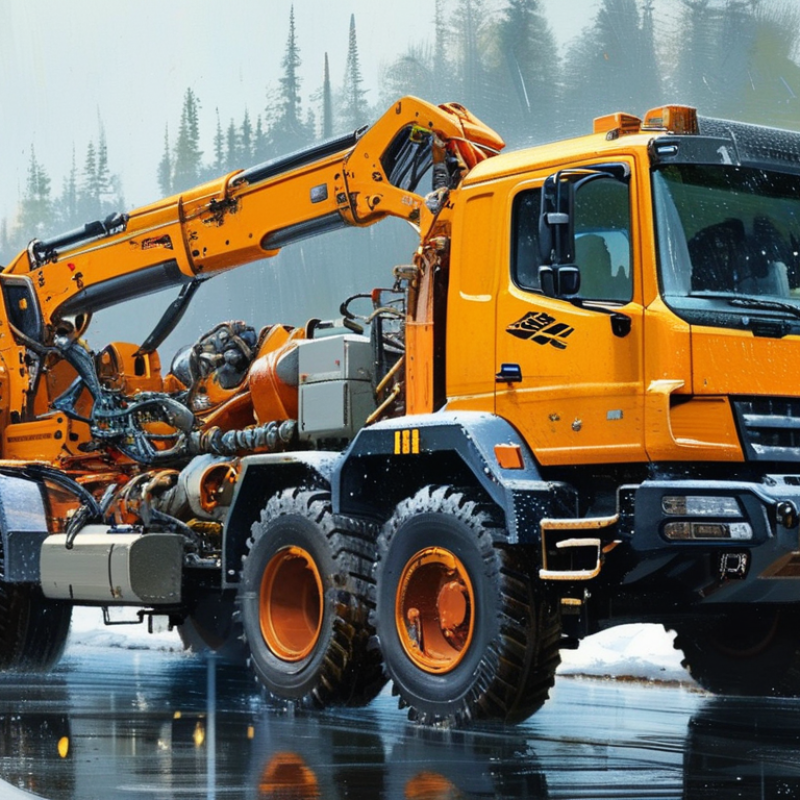
Introduction to High Pressure Water Line Removal Vehicles
High pressure water line removal vehicles are essential in many industries. These machines use powerful jets of water to remove debris, roots, and other obstacles from pipelines. Understanding their functionality enhances your ability to choose the right one.
These vehicles are designed with user-friendly controls. Operators appreciate the straightforward interface. However, training is crucial for effective operation. Improper use can lead to accidents or suboptimal performance. In some cases, operators may underestimate the required pressure settings. This can result in ineffective cleaning.
Maintenance of these vehicles is equally important. Regular checks ensure they remain in top condition. Leaks and clogs can happen if they are not properly cared for. Users often overlook the importance of maintenance schedules. It leads to downtime and costly repairs. Recognizing these details is vital for smooth operations in any business relying on high pressure water line removal vehicles.
Comparison of High Pressure Water Line Removal Vehicles
Key Features of Effective High Pressure Water Line Removal Vehicles
High-pressure water line removal vehicles are crucial for various industries. These machines offer a combination of power and precision. Industry reports show that effective vehicles can increase efficiency by up to 30%. This statistic highlights the importance of selecting the right equipment.
Key features include high-pressure pumps, user-friendly controls, and durable materials. A high-pressure pump should ideally reach at least 4000 PSI. This threshold ensures that even the toughest blockages can be addressed. User-friendly digital displays improve operational efficiency. Operators can monitor settings in real-time, reducing the risk of errors. It’s important that vehicles are built to withstand harsh conditions. Some units claim to be ‘all-weather’, but frequent maintenance is crucial for reliability.
Moreover, operators report varying experiences with certain models. Some vehicles may struggle with large blockages, leading to downtime. Regular training for operators can mitigate this. Data suggests that untrained staff can decrease a vehicle's effectiveness by 50%. Thus, investing in operator education is as important as the vehicle itself. This dual focus can lead to better outcomes and longevity of the equipment used.
Best High Pressure Water Line Removal Vehicle for Global Buyers? - Key Features of Effective High Pressure Water Line Removal Vehicles
| Feature | Description | Importance |
| Water Pressure | Range from 2000 to 4000 PSI for effective removal | Essential for penetrating tough materials |
| Engine Type | Diesel or Gasoline engines preferred for efficiency | Impacts overall power and fuel efficiency |
| Tank Capacity | Larger than 200 liters for extended use | Reduces downtime for refills |
| Mobility | Wheels or tracks for various terrains | Essential for operational flexibility |
| Safety Features | Emergency shut-off, protective gear, etc. | Crucial for user safety |
| Maintenance Needs | Regular checks on pump and hoses | Impacts longevity and reliability |
| Cost | Price range between $10,000 - $50,000 | Budget consideration for buyers |
Comparison of Leading Brands and Models for Global Buyers
In the competitive market of high-pressure water line removal vehicles, global buyers face numerous options. Recent industry reports indicate a rising demand for efficiency and reliability. A comparative analysis of leading brands shows significant variations in performance. For instance, some models boast a pressure capability exceeding 5000 PSI, marking them as superior choices for heavy-duty tasks.
However, it's crucial to note the variations in build quality and ease of use. While some vehicles are praised for their lightweight construction, they may not withstand rigorous conditions. Others, though heavier and more robust, can be cumbersome to operate. Buyers often struggle to balance power with maneuverability. Additionally, not all manufacturers publish clear specifications, making it harder to trust claims.
A noteworthy finding from recent market studies indicates that only 70% of buyers report high satisfaction with their choice, pointing to a need for careful evaluation. Many users emphasize the importance of service and support from manufacturers. As technology evolves, integrating features like automatic pressure regulation becomes essential, yet some models lag in this area. Choices should not solely focus on specifications, but consider user experience and long-term reliability.
Maintenance and Operational Tips for High Pressure Water Line Vehicles
High pressure water line vehicles are essential for efficient pipeline maintenance and repair. Proper upkeep is crucial for optimal performance. Regularly check the vehicle's fluid levels, including water, fuel, and hydraulic systems. These checks directly impact performance and longevity.
For operational effectiveness, train operators thoroughly. Understanding the vehicle's features enhances safety and efficiency. Consider periodic drills to maintain skills. Also, ensure that the water pressure is monitored closely. High pressure can lead to pipe damage if not controlled.
Investing in quality parts for repairs is key. Cheap alternatives may save money initially, but they compromise reliability. Always prioritize safety features. Check for any leaks or malfunctioning parts. This will help prevent accidents and sustain productivity in the long term. While it's tempting to overlook smaller issues, addressing them early on pays off. Neglect can lead to larger, costlier problems later.
Cost Considerations and Budgeting for Purchase Decisions
When considering high pressure water line removal vehicles, cost is a pivotal factor. A comprehensive industry report reveals that pricing can vary widely, from $100,000 to over $500,000. This range depends on vehicle specifications, technology, and customization options. Many buyers may overlook ongoing maintenance costs, which can equal roughly 10-15% of the purchase price annually.
Budgeting effectively requires analyzing not only the initial expenses but also potential operational costs. For instance, fuel efficiency can significantly influence long-term budgets. Vehicles that consume more fuel can lead to inflated operational costs over time. Recent studies indicate that investing in newer, fuel-efficient models may save operators up to $20,000 annually.
Moreover, financial planning should account for downtime during repairs. A report by industry experts highlights that every day a vehicle is out of service can cost an operator over $1,000 in lost revenues. Potential buyers must assess these elements carefully to make informed decisions. Balancing cost with long-term viability is essential for sustainable operations in this competitive market.