What is the Best Forklift Collision Detection System in 2026
As industries evolve, safety remains a top priority. In 2026, effective Forklift Collision Detection Systems are crucial for preventing accidents in warehouses. John Smith, an industry expert, states, "The right collision detection system can save lives and reduce costs." This reflects the importance of choosing the best technology.
The market for Forklift Collision Detection Systems is filled with options, but not all solutions are equal. Factors such as accuracy, ease of integration, and real-time updates play significant roles. Many systems struggle with false positives, which can lead to unnecessary disruptions. Users often must reflect on their choices. Are we prioritizing safety or cost-effectiveness?
As we navigate 2026, evaluating these systems becomes essential for improving workplace safety. Investing in the right Forklift Collision Detection System can lead to significant improvements. While solutions exist, the challenge remains in finding the one that truly meets specific operational needs.
What is a Forklift Collision Detection System?
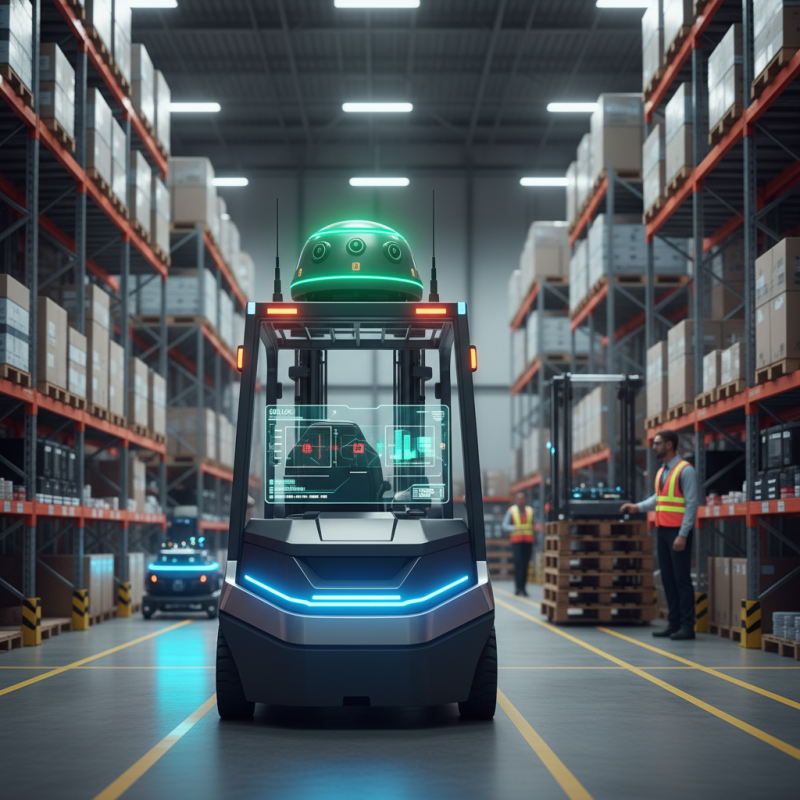
A forklift collision detection system is essential for modern warehouse operations. These systems utilize sensors and cameras to monitor the environment around forklifts. They help prevent accidents by alerting operators to potential collisions with people or objects. In recent reports, over 75% of warehouse accidents involve forklifts, highlighting the critical need for such technology.
The benefits are clear. Effective collision detection systems can reduce accidents significantly. According to a survey by the National Safety Council, implementing these systems can lead to a 50% decrease in collision-related incidents. However, not all systems are equally effective. Some rely solely on sensors, while others integrate advanced machine learning algorithms. The choice of system matters. Inadequate training for employees using these systems can hinder their effectiveness.
Moreover, the cost of these systems can be a barrier. Many companies hesitate to invest in sophisticated technology. However, the expenses related to workplace injuries often surpass the investment in safety systems. A recent industry analysis noted that companies saving on safety measures face higher long-term costs. It raises questions about priorities in workplace safety. Are we willing to invest in technology to protect our workforce?
Key Technologies in Forklift Collision Detection Systems
In 2026, forklift collision detection systems will integrate advanced technologies. Sensor systems are at the forefront. Ultrasonic sensors effectively measure distance to objects. They offer real-time feedback, enhancing safety. A report from the Energy Safety Canada indicates that such systems can reduce accidents by up to 30%. This data highlights their importance in industrial settings.
Another key technology is LiDAR. It creates a detailed map of the environment. LiDAR systems can detect obstacles with precision. Companies utilizing this technology report fewer near-misses. In fact, a survey revealed a 40% decrease in collision rates when LiDAR was employed. This impressive statistic underscores its growing relevance.
Tip: Regularly update sensor calibration. Accurate readings prevent potential mishaps.
Consider the integration of cameras. Visual monitoring can complement other systems. However, relying solely on cameras may not be enough. They might miss low-profile obstacles. This limitation necessitates a multi-faceted approach to safety. In the quest for an ideal system, continuous evaluation is essential. Stay informed about the latest advancements.
Industry Standards and Regulations for Forklift Safety
Forklift safety is critical in any warehouse or construction site. Industry standards focus on preventing accidents and ensuring operator awareness. Organizations often refer to regulations set by safety authorities that provide guidelines for forklift operation. These regulations highlight the importance of collision detection systems.
Tips: Regularly evaluate safety procedures. Keep communication open among staff. An informed team can reduce risks.
Effective collision detection systems can enhance safety. These systems use sensors to alert operators of nearby obstacles. They can prevent injuries and property damage. However, not all systems are foolproof. Operators should also rely on training to recognize hazards.
Tips: Invest in comprehensive training programs. Adapt to new safety technologies. Awareness is key in safety protocols.
Failure to comply with regulations may lead to severe consequences. It's vital for companies to remain updated as standards evolve. Regular audits can help identify gaps in safety measures. Emphasizing compliance will lead to a safer work environment.
Market Analysis: Leading Forklift Collision Detection Systems in 2026
In 2026, the forklift collision detection system market is witnessing significant advancements. Leading systems employ a range of technologies, from radar and LiDAR to camera-based solutions. These systems enhance safety by providing real-time alerts to prevent accidents. Many facilities are adopting these technologies in response to increasing safety regulations.
However, some challenges persist. Not all systems integrate well with existing warehouse management platforms. This lack of compatibility can lead to data silos. Moreover, the accuracy of detection can vary depending on the operational environment. Systems may struggle in areas with tight spaces or high pedestrian traffic.
A key focus for future development is improving reliability in diverse conditions. Enhanced training for operators is also critical. Understanding how to implement these systems effectively remains a challenge for many organizations. As technology evolves, the need for continuous adaptation and reflection becomes essential.
Forklift Collision Detection Systems Market Analysis - 2026
This chart represents the projected market share of various types of forklift collision detection systems in 2026. The data is based on current industry trends and technological advancements in the sector.
Future Trends in Forklift Collision Detection Technology
In 2026, forklift collision detection technology will evolve rapidly. The focus will shift toward integrating advanced sensors and AI algorithms to enhance safety. Current data shows that forklift accidents account for nearly 25% of all warehouse injuries. With this percentage, improving detection systems is critical.
Industrial experts predict that systems utilizing LiDAR and computer vision will dominate the market. These innovations will enable faster and more accurate detection of potential hazards. Reports suggest that with better systems, we could reduce accidents by up to 50% in busy environments. However, there is a challenge. Not all facilities will adopt these high-tech solutions due to costs.
Tip: Regular training and updates on collision detection systems are vital. Staff must understand technology for maximum efficiency. Clear communication about technology limitations is equally essential. Safety should always be a priority, even when technology advances.
Additionally, integrating these systems does not guarantee safety. Human error remains a significant factor. Operators may not always react correctly even with detection systems in place. Continuous assessment and improvement of protocols are necessary. Making these systems reliable takes ongoing effort from all levels of management.