Best Energy Efficient Bicycles to Buy in 2026?
As we move towards a more sustainable future, choosing energy-efficient bicycles becomes increasingly important. The "Best Energy Efficient Bicycle 2026" will not only help reduce carbon footprints but also promote healthier lifestyles. Renowned cycling expert Dr. Emily Carter emphasizes, "Investing in energy-efficient bikes is a step towards a greener planet."
2026 promises exciting options in the market. With advancements in technology, these bicycles are becoming lighter, faster, and more efficient. Brands are focusing on eco-friendly materials and innovative designs. Riders can expect enhanced battery life and seamless power assistance.
Yet, some consumers may struggle to identify what constitutes the best energy-efficient choice. Test rides and personal preferences matter. Individuals may find that their needs vary based on terrain and usage. Thus, assessing options carefully will yield the best results for both the environment and personal experience. Ultimately, making informed choices is essential for riders aiming to contribute to a sustainable future.
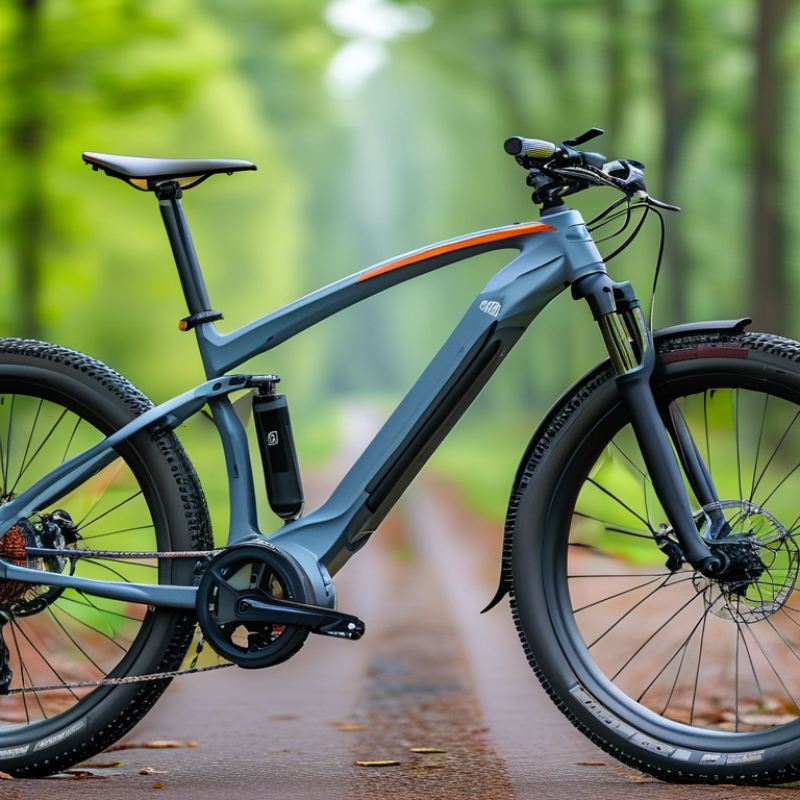
Latest Innovations in Bicycle Technology for Energy Efficiency
The world of cycling is rapidly evolving, with new innovations focused on energy efficiency. Advancements in lightweight materials and aerodynamic designs can significantly reduce the energy required for pedaling. According to a recent report by the International Bicycle Fund, energy-efficient bicycles can save riders up to 30% in effort compared to traditional models. Such developments make cycling more accessible for everyone, including casual riders.
Battery-assisted bicycles, like e-bikes, are becoming more popular. Improved battery technologies allow for longer distances on shorter charges. The latest lithium-ion batteries can provide greater range and lower weight, which enhances riding efficiency. Research indicates that riders on e-bikes still engage in substantial physical activity, making them a smart choice for commuting.
Tips: To maximize your energy efficiency, consider your riding position and tire pressure. A proper riding posture can reduce wind resistance. Regular maintenance of tires ensures optimal grip and less rolling resistance. Always aim for a balance between comfort and speed for the best experience. Keeping these factors in mind will elevate your cycling journey.
Top Brands Leading the Energy Efficient Bicycle Market in 2026
The energy-efficient bicycle market is rapidly evolving. In 2026, advancements in technology are shaping how we commute sustainably. A recent report by the Energy Efficiency Transportation Association highlights that energy-efficient bicycles can reduce CO2 emissions by up to 70%. This significant reduction showcases the potential impact on urban air quality.
Leading brands in this sector focus on integrating lightweight materials and innovative designs. For instance, bicycles made with advanced carbon fiber can reduce weight by approximately 30%, making them more efficient. Additionally, hybrid models are gaining traction. These bikes blend manual pedaling with electric support to enhance energy efficiency.
However, not all bicycles are created equal. Some models may compromise on comfort or durability for better performance. Consumers must weigh these factors. The market is growing, but challenges remain. Ensuring that bicycles are accessible and affordable is vital for widespread adoption. Informed choices can lead to better investments in sustainable travel solutions.
Best Energy Efficient Bicycles to Buy in 2026
| Model | Type | Weight (lbs) | Battery Range (miles) | Price ($) |
| Model A | Electric | 50 | 60 | 1,200 |
| Model B | Hybrid | 35 | 45 | 800 |
| Model C | Mountain | 40 | 50 | 1,000 |
| Model D | Commuter | 30 | 70 | 900 |
| Model E | Folding | 28 | 40 | 700 |
Comparative Analysis of Energy Efficiency in Different Bicycle Types
When considering energy efficiency in bicycles, various types offer different benefits. Traditional bicycles are usually light and require minimal energy to operate. They have minimal components, leading to less energy loss compared to electric bikes. However, they may require more effort on steep terrain or longer distances.
Electric bicycles present a unique case. They amplify human power, making long rides manageable. Yet, they depend on battery life and charging options. This reliance introduces variables like energy consumption of batteries and sustainability aspects. Riders must weigh convenience against the environmental impact of manufacturing and disposing of batteries.
Hybrid bicycles combine elements of both. They offer the flexibility of manual pedaling along with electric assistance. This versatility appeals to various riders. Still, issues like additional weight and energy consumption during electric use can affect overall efficiency. Balancing performance, practicality, and environmental impact is essential as riders evaluate their options in 2026.
Consumer Reviews: Performance and Sustainability of 2026 Bicycles
In 2026, consumers are increasingly focused on the performance and sustainability of bicycles. User reviews highlight the importance of lightweight materials and advanced design features. Many users appreciate bicycles that blend aerodynamics with energy efficiency. These features not only enhance speed but also minimize energy wastage. Reviews indicate that bikes utilizing sustainable manufacturing processes are gaining popularity among eco-conscious riders.
Another point of consideration is battery life for electric bicycles. While some models boast impressive ranges, users often note that performance can decline over time. Durability issues may arise, leading to a decrease in overall satisfaction. Riders frequently express the need for better maintenance options and support from manufacturers. This feedback emphasizes the importance of reliable customer service in the cycling community.
Sustainability is a key focus for many riders, yet the balance between performance and environmental impact requires careful consideration. Some bicycles fall short in durability, prompting users to reevaluate their options. Consumers want longevity without compromising efficiency. The discussions reveal a desire for more transparency in how bicycles are made and their impact on the environment.
Future Trends: What to Expect in Energy Efficient Cycling Solutions
As we look ahead to 2026, energy-efficient cycling solutions are likely to evolve significantly. Innovations in battery technology and lightweight materials are expected to dominate the market. These advancements will allow cyclists to travel further with less energy. Bikes with modular designs may enable users to swap out parts easily, leading to longer-lasting bicycles, benefiting both the environment and users' wallets.
The integration of smart technologies will also play a crucial role. Imagine bicycles equipped with sensors that monitor energy consumption in real-time. Cyclists could adjust their riding habits based on instant feedback. However, this reliance on technology raises questions about accessibility. Not everyone might be willing to invest in high-tech features.
In addition to technological enhancements, infrastructure improvements are essential. Expanding bike lanes and charging stations will be crucial for supporting this shift. Cities need to consider these changes to promote energy-efficient cycling effectively. While progress is promising, there remains a need for careful implementation to ensure all cyclists can benefit from these developments.