Why Choose an Electric Transfer Pump?

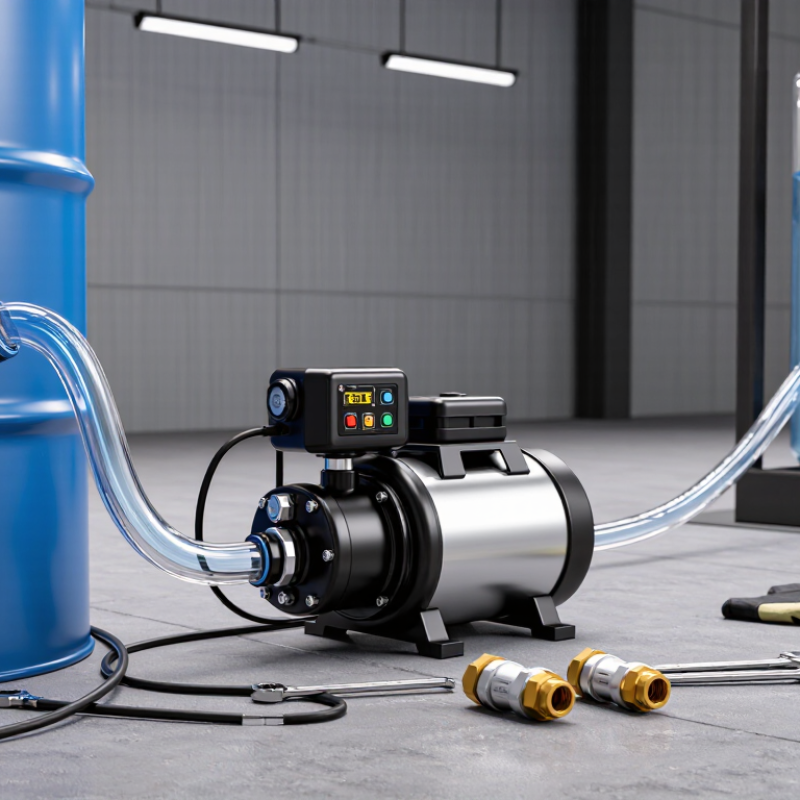
Choosing an electric transfer pump can make routine fluid movement safer, cleaner, and easier to control. Picture a drum at floor level, a narrow hose, and a measured flow into a tank. The right pump reduces manual handling and helps keep the transfer consistent. But electric power alone does not guarantee a good fit. Fluid viscosity, temperature, required flow, head, duty cycle, and material compatibility all matter.

The U.S. Department of Energy and the Hydraulic Institute’s 2006 Improving Pumping System Performance: A Sourcebook for Industry estimates that pumping systems use nearly 20% of global electricity demand. That broad figure covers many pump applications, not electric transfer pumps alone. Still, it highlights why correct sizing and efficient operation deserve attention. An undersized unit may struggle to deliver the needed flow. An oversized one can waste energy and increase wear. Small details matter.

A suitable electric transfer pump can offer repeatable operation, simpler startup, and less dependence on manual pouring. Those advantages are practical, not automatic; check the manufacturer’s performance curve and operating limits before choosing a model. I can’t responsibly attribute a direct quotation to a named pump expert without a verifiable source. No expert interview or article was supplied here, so inventing a quotation would weaken trust. The comparison should begin with the actual fluid and transfer conditions—not a sales claim.
Why Choose an Electric Transfer Pump?

What an Electric Transfer Pump Is and How It Works

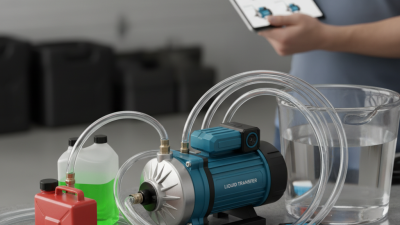
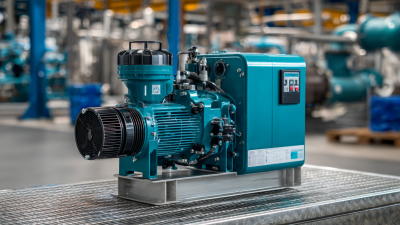
An electric transfer pump moves liquid from one container to another through powered suction and discharge. Its electric motor drives an internal impeller or diaphragm. The mechanism creates pressure differences, drawing fluid through the inlet hose and pushing it through the outlet hose. That is the basic process.

Centrifugal models use a spinning impeller and suit many low-viscosity liquids. Diaphragm models pulse the fluid and can handle thicker materials more steadily. Flow depends on motor power, hose length, liquid viscosity, and elevation. A narrow or sharply bent hose can reduce performance. The pump must match the liquid, temperature, and required flow rate.

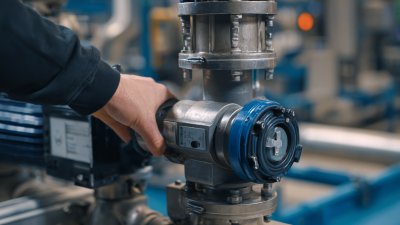
In practical use, I check the connections before switching on the motor. A loose inlet fitting may pull air instead of liquid. The pump may sound normal, yet transfer almost nothing. I also watch for unusual vibration, leaks, or a sudden change in pitch. These signs can indicate blockage, poor priming, or wear. I once treated slow flow as a motor problem, but the real cause was a clogged intake screen. That mistake reinforced a simple lesson: inspect the whole path, not only the pump. Electrical safety still matters. Keep connections dry, follow the pump’s rated duty cycle, and use suitable grounding and protection.

Key Advantages Over Manual and Other Pump Types

Why Choose an Electric Transfer Pump?

Key Advantages Over Manual and Other Pump Types

An electric transfer pump moves liquids with steady power and less physical effort. During routine fluid handling, this consistency matters. A manual pump can work well for small volumes, but repeated strokes quickly become tiring. Electric operation also reduces pauses, helping workers maintain a predictable transfer rate. That saves time.

Compared with some larger pump types, electric transfer pumps are often easier to carry, position, and operate. Many models fit beside a storage tank or under a workbench. With the correct hose and fittings, setup can be completed without complicated equipment. Flow control is another advantage. Users can adjust the transfer speed instead of relying only on hand pressure or gravity. This helps reduce splashing and unnecessary waste.

The choice still requires technical judgment. Check the liquid’s viscosity, temperature, required flow rate, and vertical lift before selecting a pump. A pump designed for thin fluids may struggle with thicker materials. Never ignore duty-cycle limits. Continuous operation can create heat and shorten service life. Electrical connections also need protection from moisture, and the pump should not run dry unless designed for it.

Not perfect.

I have seen operators choose speed over compatibility, then replace worn seals too soon. That mistake is avoidable. Reading the specifications and inspecting hoses before use improves reliability. An electric transfer pump offers practical advantages, but only when its capacity matches the real working conditions.

Common Uses Across Industries and Everyday Tasks

An electric transfer pump moves liquids faster and with less physical effort than manual siphoning. Its value becomes clear in ordinary, repetitive work. Farmers use pumps to transfer water, liquid fertilizer, and approved cleaning solutions between containers. In workshops, technicians move lubricants, coolants, and wastewater into suitable storage tanks. Flow control matters here. A steady stream reduces splashing and product loss.

Construction crews may use electric pumps to remove collected water from trenches, basements, or equipment areas. Facility teams also use them for rainwater management and routine tank maintenance. In food processing, compatible pumps can transfer non-hazardous liquids between preparation vessels. Material compatibility remains essential. A pump designed for water may not handle thick oils or corrosive fluids safely.

At home, an electric transfer pump can drain a rain barrel, empty a hot tub, or move water from a storage tank. It can also support aquarium maintenance when the hose and materials are suitable. Check the liquid temperature and viscosity first. Small details matter. Operators should inspect cables, connections, seals, and the intake screen before use. Poor priming can interrupt flow, while excessive speed may damage delicate containers. An electric pump is convenient, but it is not a universal answer. Choosing the wrong model wastes time and may shorten its service life. The quietest setup is not always the safest one.

Why Choose an Electric Transfer Pump? — Common Uses Across Industries and Everyday Tasks

Industry or Setting Typical Transfer Task Why an Electric Pump Can Help Key Selection Considerations
Agriculture and landscaping Moving water from a storage tank to irrigation lines or equipment. Powered transfer can reduce manual handling and support repeated watering tasks. Check required flow and lift, water quality, hose size, and whether the pump is suitable for outdoor use.
Construction and property maintenance Removing non-hazardous standing water from a work area or utility space. An electric model can provide steady operation where a compatible power source is available. Confirm the pump’s solids-handling limits, water depth requirements, electrical protection, and site conditions.
Automotive and equipment service Transferring compatible lubricating oil or other service fluids between containers. Controlled pumping can make routine fluid handling more convenient than pouring by hand. Verify fluid viscosity, seal and hose compatibility, flow rate, and whether the pump is designed for that fluid.
Manufacturing and workshops Moving compatible process liquids between tanks or into production equipment. Electric power can suit frequent transfers and installations with a suitable electrical supply. Match wetted materials to the liquid, and check temperature, chemical compatibility, duty cycle, and required capacity.
Marine and recreational use Transferring fresh water or draining water from appropriate onboard areas. A compact electric pump can simplify tasks where hand pumping would be slow or tiring. Choose a model rated for the intended water and environment; consider power supply, corrosion resistance, and safe installation.
Home, garage, and garden Moving rainwater or clean water from a barrel or tank to a garden hose or watering system. Convenient powered transfer can help with recurring household and garden chores. Check whether the pump is self-priming, its maximum lift, outlet connection, and suitability for the water source.
Emergency and utility tasks Transferring clean water between storage containers during maintenance or supply interruptions. Portable electric models can be useful when a compatible power source is accessible. For drinking water, use equipment specifically approved for potable-water contact and follow local guidance.

Important: Always check the pump’s instructions and material compatibility before use. Do not pump flammable, corrosive, or hazardous liquids unless the pump is specifically rated for them. Follow electrical and workplace safety requirements.

Important Features to Compare When Choosing a Pump

Choosing an electric transfer pump starts with the job, not the advertised flow rate. Measure required flow, vertical lift, hose length, fittings, and fluid viscosity. A pump rated at 60 L/min may deliver far less through a narrow, kinked hose. The U.S. Department of Energy reports that pumping systems can consume 25–50% of electricity in some industrial facilities. Efficiency deserves attention. Hydraulic Institute guidance also shows that power demand can rise approximately with the cube of speed. A small speed reduction may therefore lower energy use significantly.

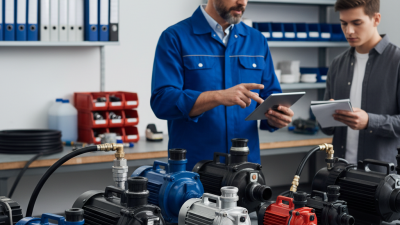
Compare duty cycle and motor protection carefully. Intermittent transfer needs differ from continuous operation. Look for thermal overload protection, dry-run tolerance, safe priming behavior, and an enclosure suited to dust or moisture. Match wetted materials with the fluid, especially when transferring solvents, oils, or cleaning solutions. Check seal construction, temperature limits, and service access before purchase. A quick inspection should reveal whether the impeller, filter, and seals can be replaced without dismantling half the unit.

Noise and controls matter in real work areas. Variable-speed control can improve accuracy, but poor programming may cause unstable flow. I still over-specify pumps sometimes. Bigger is not always better. A field test with a pressure gauge, flow meter, and measured power draw often exposes mistakes that catalog numbers hide. Records from the test also support maintenance decisions and more reliable future sizing.

Safety, Maintenance, and Operating Considerations

Why Choose an Electric Transfer Pump?

Safety begins before the pump starts. Confirm the fluid is approved for the pump, hoses, seals, and fittings. Never assume compatibility from appearance alone. Check the electrical rating, grounding, and emergency shutoff location. Keep connections dry and route cables away from standing water. If the fluid produces vapors, use equipment rated for that environment and provide suitable ventilation. A small mismatch can create a serious hazard.

Operating technique affects service life. Place the pump on a stable, level surface. Secure both hoses before opening any valve. Avoid dry running, sudden valve closures, and excessive flow rates. Watch for vibration, unusual noise, leaks, or a rising motor temperature. Stop the pump when something feels wrong. It is tempting to continue for one more minute, but that decision can damage seals or overheat the motor. Follow the equipment manual and site procedures, because transfer conditions vary.

Tips: Inspect hoses before every use. Replace cracked gaskets promptly. Clean spilled fluid immediately. After operation, flush the system only with a compatible cleaning liquid. Store the pump in a dry, protected area. Record operating hours and repairs. This simple log often exposes neglected maintenance. A weekly inspection may be enough for light use, but frequent service requires a shorter interval. Do not treat that schedule as permanent; real conditions can prove it inadequate.

Why Choose an Electric Transfer Pump?

Estimated electrical input power rises with flow rate when pumping water against a constant 10 m head. This calculation assumes 50% pump efficiency; actual power depends on the pump, fluid, and installation.

Use the pump’s performance curve and electrical rating when selecting equipment. Follow the manufacturer’s instructions for electrical protection, inspection, and maintenance.