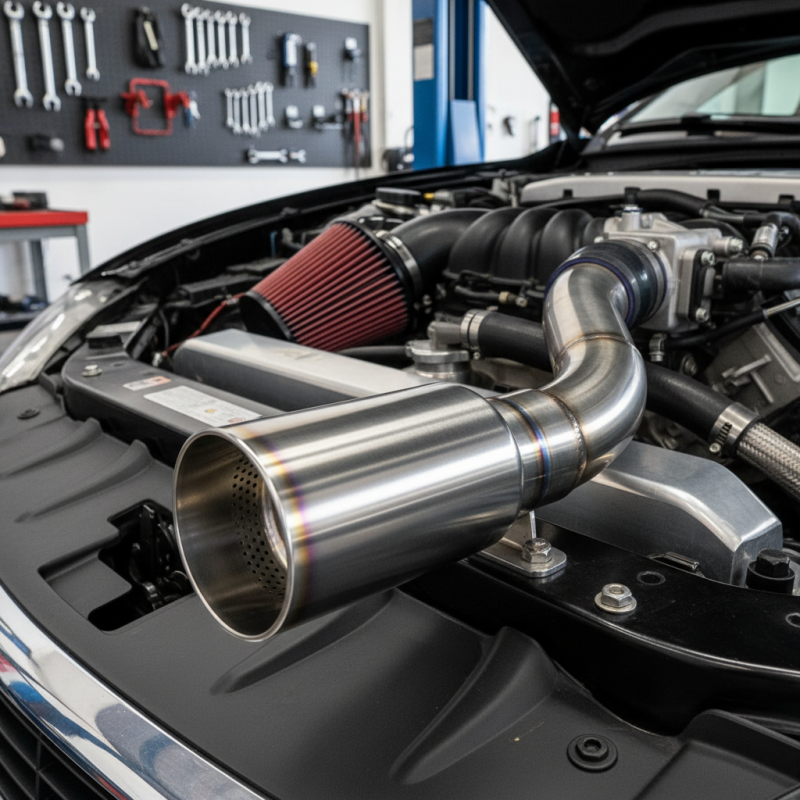
Air Muffler Silencer Tips for Noise Reduction and Performance Boost?
An Air Muffler Silencer is essential for cutting noise. Many vehicle owners seek better performance through modifications. However, it’s not always easy to achieve both noise reduction and enhanced functionality.
Choosing the right Air Muffler Silencer can significantly affect your vehicle’s sound and power. Some designs focus purely on quieting the engine. Others aim to boost performance while managing sound levels. This balance can be tricky. Not all silencer types work for every vehicle.
Understanding your needs is crucial. For example, do you prioritize a quieter ride or higher horsepower? Some mufflers excel in sound reduction, but may restrict airflow. Others might increase engine output at the cost of noise. There’s a delicate balance to strike. Each choice has its pros and cons. So, reflect on what matters most for your driving experience.
Understanding Air Muffler Silencers and Their Functionality
Air muffler silencers play a crucial role in reducing noise produced by exhaust systems. They work by using sound-absorbing materials to dampen sound waves, creating a quieter environment. Understanding how they function helps in optimizing performance and reducing noise pollution.
When choosing an air muffler silencer, consider a few essential tips. Select one that matches your vehicle’s specifications for better performance. Ensure you check the material used in the silencer. High-quality materials last longer and perform better. However, not all mufflers are created equal. Some may restrict airflow, which can hinder engine efficiency.
Regular maintenance is key. Inspect your muffler for any damage or wear. A damaged silencer can lead to increased noise and reduced performance. If you notice a change in sound, it’s worth investigating. Performance issues can often stem from your muffler. Ensuring your air muffler silencer functions correctly can make a significant difference in engine performance and overall driving experience.
Key Benefits of Using Air Muffler Silencers for Noise Reduction
Air muffler silencers play a crucial role in reducing noise and enhancing performance in various systems. According to the International Institute of Noise Control Engineering, noise pollution can negatively affect human health and productivity. Air muffler silencers can decrease noise levels by up to 20 decibels. This reduction is significant, providing a quieter environment. Less noise helps improve focus in workspaces and creates a more pleasant atmosphere at home.
Tips for choosing an air muffler silencer: Consider the application and environment where it will be used. For industrial settings, robust materials withstand harsh conditions. In residential areas, sleek designs maintain aesthetics while effectively reducing sound. Proper installation is vital for optimal performance. An incorrectly installed silencer may lead to vibrations or inefficiencies.
Performance boost is also a key benefit. Utilizing a silencer can improve airflow in pneumatic systems. When air flows more freely, equipment operates more efficiently. The potential for energy savings is notable—some reports suggest up to 15% savings in energy costs. Addressing sound and performance simultaneously should be a priority for modern systems, yet many overlook the importance of proper maintenance. Regular checks can prevent unexpected failures and ensure long-lasting benefits.
How Air Muffler Design Affects Engine Performance and Efficiency
Air muffler design plays a crucial role in engine performance. A well-designed muffler can reduce noise effectively while enhancing airflow. Efficient airflow leads to better engine efficiency. When air flows freely, the engine responds more smoothly. This can increase power output and fuel economy.
Different muffler designs impact the sound and performance differently. Some designs may enhance low-end torque, while others can improve high-end horsepower. It's essential to understand how these variations affect your vehicle. Sometimes, a louder exhaust isn't better. It may result in back pressure, hindering performance.
Finding the right balance is key. A muffler that is too restrictive can limit engine performance. On the other hand, an overly aggressive design may lead to unwanted noise. Experimenting with various designs can be a thoughtful process. Tune the muffler to your engine's needs and preferences. This journey often involves trial and error.
Choosing the Right Air Muffler Silencer for Your Vehicle's Needs
Choosing the right air muffler silencer is essential for optimizing your vehicle's performance and reducing noise. Noise regulation varies by region, so it’s crucial to select a silencer that meets local standards while accommodating your driving needs. Voracious racers may prefer less restrictive options, while daily commuters often desire a quieter experience.
Consider your vehicle’s specifications, engine type, and intended use. A lightweight silencer can enhance acceleration, but it might compromise sound dampening. Check materials too—stainless steel offers durability but could weigh more. Some find the sound of their engine crucial for enjoyment. Others may wish for peace on urban drives. Finding balance is key.
Installation can also be tricky. Improper fitting might lead to rattles or increased noise—definitely not ideal. If you're unsure about your DIY skills, consulting a professional may save time and frustration. Ultimately, the right choice requires understanding personal preferences. Reflect on your goals, whether it’s a boost in performance or a more enjoyable driving experience, while navigating your options.
Air Muffler Silencer Noise Reduction Performance
Installation Tips for Optimal Performance of Air Muffler Silencers
When installing air muffler silencers, precision is key. Begin by selecting the right silencer for your vehicle. Research different types to see which fits your needs. Measure carefully to ensure a snug fit. Gaps can lead to air leaks, which affect performance.
Next, focus on the installation process. Use proper tools for the job. Tighten all the connections securely, but avoid over-tightening. This can cause damage. Double-check your work before starting the engine. A small oversight can create noise issues or reduce efficiency.
After installation, run the engine briefly. Listen for unusual sounds. If something feels off, revisit your work. Don’t hesitate to adjust or remove the silencer if it doesn’t perform as expected. Remember, it’s all about achieving that perfect balance between noise reduction and performance enhancement.