What is a 24v water pump and how does it work?
A 24v water pump is an essential device in various applications. It operates on a 24-volt power supply, making it efficient and versatile. These pumps are commonly used in gardening, aquariums, and even in small water systems. The 24v water pump offers several advantages. It consumes less energy compared to higher-voltage pumps while providing adequate power for many tasks.
Understanding how a 24v water pump functions can enhance its effectiveness. It typically uses an electric motor to create a flow of water. The design and components may vary, but the basic principle remains the same. Data shows that many users often overlook maintenance, which can impact performance. A well-maintained pump lasts longer, and neglect may lead to problems.
When considering a 24v water pump, evaluating power requirements is crucial. Users sometimes underestimate the need for a suitable power source. Inexpensive options might seem appealing, but quality matters. Reflecting on these details ensures a more reliable purchase. Water pumps can be a simple yet critical part of any water movement system.
What is a 24V Water Pump and its Common Applications?
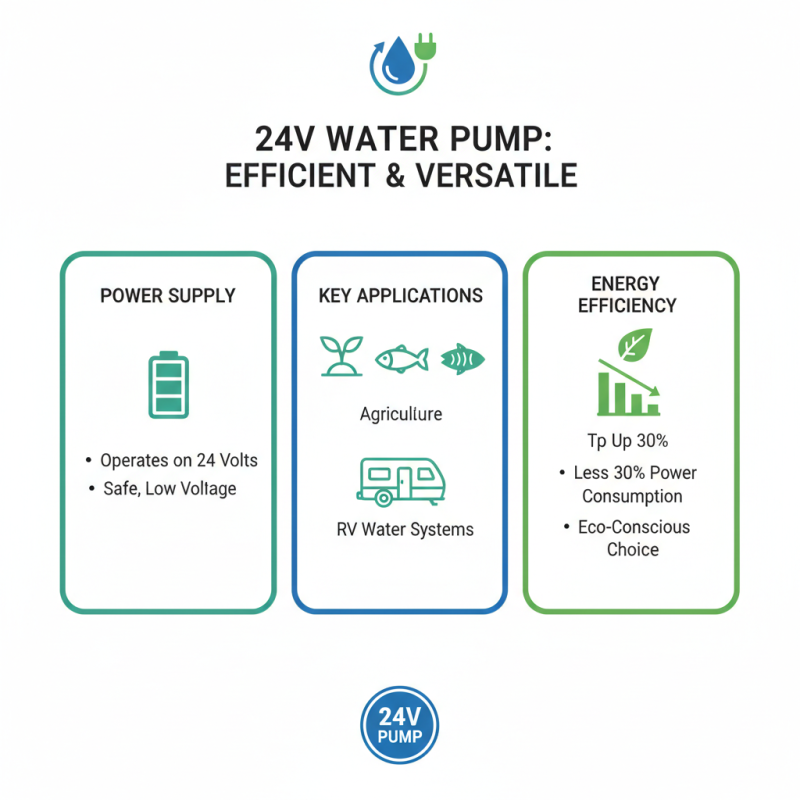
A 24V water pump is a versatile device widely used in various applications. These pumps operate efficiently using a 24-volt power supply. They are popular in agricultural settings, aquariums, and RV water systems. The ability to run on a lower voltage makes them safe and energy-efficient. Reports indicate that 24V systems consume up to 30% less power compared to their higher voltage counterparts, making them appealing for eco-conscious consumers.
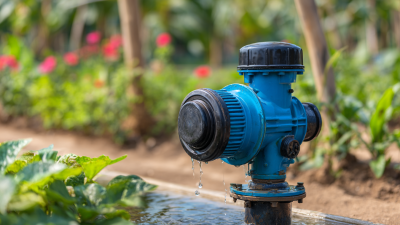
In agriculture, these pumps are instrumental for irrigation. They help manage water supply and reduce wastage. A 24V pump can move water from a source to crops with precision. It’s effective even in remote locations where electricity access is limited. A study showed that farmers using these pumps reported a 25% increase in water efficiency.
**Tip:** Always consider the flow rate and head height when selecting a pump. These factors significantly influence performance.
Another common application is in aquariums. The pumps maintain water circulation, which is vital for fish health. They ensure that oxygen is evenly distributed throughout the aquarium. However, choosing the right pump size is crucial. An overrated pump can cause stress for aquatic life.
**Tip:** Regular maintenance of your pump can prevent unexpected failures. Simple checks can save you time and money.
Understanding the Components of a 24V Water Pump
A 24V water pump is an essential component in various applications. It operates on a direct current (DC) power supply. Understanding its components is key to grasping its function.
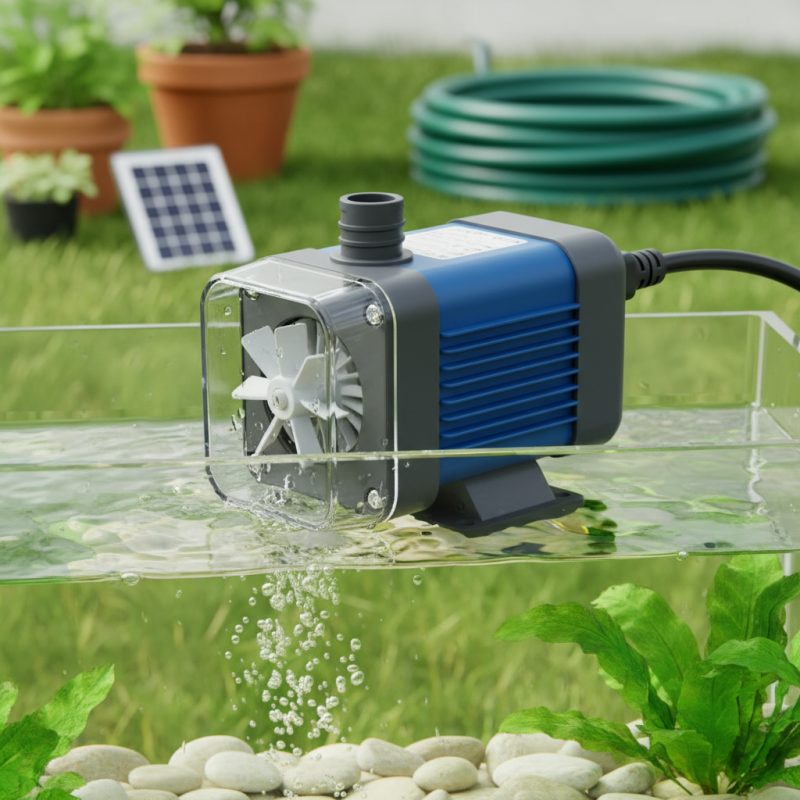
The motor is at the heart of the pump. It converts electrical energy into mechanical energy. This energy drives the impeller, a rotating part that moves water. A sealed casing protects the internal parts from water. This ensures durability and efficiency. The power supply provides consistent voltage and current. Fluctuations in the supply can affect performance.
Hoses and fittings play a crucial role too. They connect the pump to the water source and delivery system. These components must be robust to withstand pressure. The installation process can be challenging. Misalignment may lead to leaks. Proper care and maintenance are necessary but often overlooked. Users should regularly check seals and fittings for wear.
How Does a 24V Water Pump Generate Pressure and Flow?
A 24V water pump is a vital component in many applications, from irrigation systems to aquariums. It operates on the principle of converting electrical energy into mechanical energy. When powered, it draws water in through an inlet, and the motor spins an impeller. This spinning motion builds pressure and creates flow, pushing water out through the discharge port.
To generate a steady pressure, these pumps often come with well-designed impellers and casing. The impeller's shape impacts efficiency. Scientific studies indicate that a pump with a properly sized impeller can improve efficiency by up to 20%. This means better water delivery with less energy consumption.
Tip: Regular maintenance can help retain this efficiency. Checking for clogs or obstructions ensures consistent performance.
Flow is equally important. A 24V water pump can achieve flow rates ranging from a few gallons to over a hundred gallons per minute, depending on its size and design. Monitoring these rates can reveal issues. If flow drops unexpectedly, it may indicate wear or damage.
Tip: Always keep spare parts available. They can save time during repairs. The ability to quickly replace essential components keeps systems running smoothly.
Advantages of Using 24V Water Pumps in Various Systems
24V water pumps are increasingly popular in various systems. Their versatility offers multiple advantages across different applications. These pumps perform effectively in garden irrigation, aquariums, and even industrial scenarios, providing reliable performance. According to a recent industry report, the global water pump market is expected to reach $80 billion by 2026, driven by demand for energy-efficient systems.
One significant benefit of using 24V water pumps is their energy efficiency. They typically consume less energy than their higher voltage counterparts. This energy saving can cut operational costs, significantly impacting budget constraints. Additionally, 24V systems can be safer. Lower voltages reduce electrical hazards, especially when used in wet environments.
Moreover, flexibility in installation adds to their appeal. These pumps are lightweight and compact. Their design allows easy integration into various setups without major modifications. However, some challenges exist. Users often face limitations regarding pumping height and pressure. Understanding these factors is crucial when choosing a pump. It’s essential to align pump specifications with intended applications for optimal performance.
Maintenance Tips for Ensuring Optimal Performance of 24V Water Pumps
Maintaining a 24V water pump is crucial for its longevity and efficiency. Regular inspections can help catch issues early. Check the wiring for any signs of wear or damage. Loose connections can lead to performance problems. It’s also wise to clean filters and strainers frequently. This prevents debris from clogging the pump.
Keep an eye on fluid levels, too. Run the pump regularly to ensure proper lubrication. If it sits idle for long periods, parts may seize. Listen for unusual noises during operation. A grinding sound can indicate internal wear. Additionally, monitor the water temperature. High temperatures can lead to malfunctions.
Don’t forget to refer to manufacturer guidelines. They provide valuable insights on specific maintenance needs. Ignoring these can result in costly repairs. It’s important to reflect on your maintenance routine. Are there steps you often skip? Consistent care and attention can lead to better performance over time.
What is a 24v Water Pump and How Does it Work?
| Feature |
Details |
| Voltage |
24 volts |
| Power Source |
Typically battery-powered or solar-powered systems |
| Applications |
Irrigation, aquariums, and water circulation |
| Flow Rate |
Varies by model, typically between 100 to 800 GPH |
| Pressure |
Operating pressure usually ranges from 15 to 45 PSI |
| Maintenance Tips |
Regularly check for leaks, clean filters, and inspect connections |
| Lifespan |
Typically lasts 5-10 years with proper maintenance |