2026 Best Polyethylene Canvas Options for Global Buyers?
As the demand for durable and versatile materials increases worldwide, Polyethylene Canvas has emerged as a leading choice among manufacturers and consumers alike. According to industry reports, the global market for polyethylene materials is expected to reach USD 133 billion by 2026, reflecting a significant rise in applications across various sectors. This growth highlights the increasing preference for materials that offer both strength and adaptability.
Polyethylene Canvas is renowned for its waterproof and UV-resistant properties, making it suitable for diverse uses, such as tents, tarps, and outdoor gear. Its lightweight nature allows for easy transport and setup. However, selecting the best options can be challenging, as not all polyethylene products are created equal. Buyers need to consider factors like thickness, weave, and intended application. Some products may not perform well under extreme conditions, raising concerns about reliability.
Reflecting on market choices, it’s vital to prioritize quality. Not all polyethylene canvas serves every purpose effectively. In-depth research into product specifications and user feedback is necessary. This approach ensures that buyers make informed decisions, securing materials that truly meet their needs.
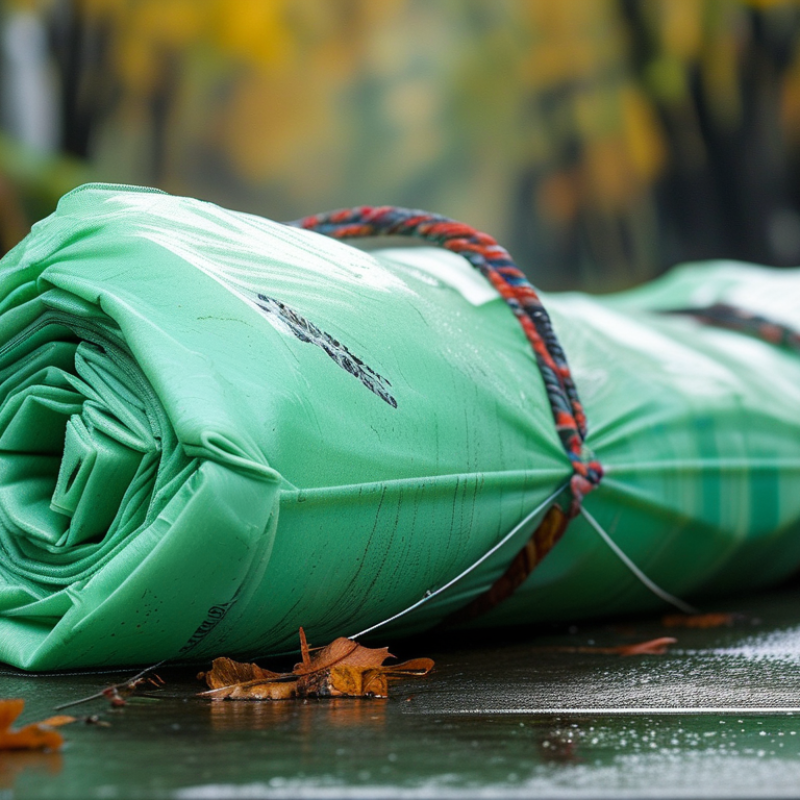
2026 Global Market Overview of Polyethylene Canvas Demand and Supply Trends
The global demand for polyethylene canvas is witnessing a significant surge. Various industries utilize this versatile material for its durability and water-resistant properties. In construction, agriculture, and outdoor events, polyethylene canvas proves invaluable. Manufacturers are focusing on enhancing production capacities to meet rising consumer needs.
Supply trends indicate a shift towards sustainability. More companies are exploring eco-friendly production methods. There are challenges, however. Fluctuating raw material prices impact manufacturing costs. Additionally, the sheer variety of available products can overwhelm buyers. Identifying reliable suppliers is crucial to avoiding subpar options.
Stakeholders must remain vigilant about market shifts. Continuous monitoring of supply chains is important. As buyers, understanding material specifications is essential. This avoids potential issues with quality and performance. Staying informed can lead to better purchasing decisions in this evolving market landscape.
Key Types of Polyethylene Canvas Materials and Their Applications in Industry
Polyethylene canvas has gained popularity across various industries. Its versatility makes it a preferred choice for many applications. This material is waterproof, durable, and resistant to chemicals. It is often used in industrial settings, such as construction sites and warehouses, to protect equipment from harsh weather conditions. Moreover, its lightweight nature allows for easy transportation and storage.
In agriculture, polyethylene canvas serves multiple purposes. It is commonly used as tarps to cover hay or machinery. Farmers appreciate its ability to shield crops from excess moisture and pests. Additionally, it has applications in the marine sector, where it is used for boat covers and tarpaulins. Despite its numerous benefits, polyethylene canvas may not always be the most eco-friendly choice. Manufacturers face challenges in recycling this material, leading to waste concerns.
Another key aspect to consider is the varying quality among polyethylene canvas products. Not all canvases offer the same level of durability or resistance. Buyers must be cautious when selecting their options. Sometimes, lower-quality products may seem appealing due to a lower price. However, investing in a well-made canvas can save money in the long run. As industries evolve, so too do the requirements for polyethylene canvas. Understanding the nuances of this material is essential for making informed choices.
Analysis of Leading Manufacturers and Their Product Offerings in 2026
In 2026, the market for polyethylene canvas continues to expand, driven by various applications in industries such as construction, agriculture, and outdoor gear. Many manufacturers are innovating and adapting their offerings to meet the evolving demands. This analysis focuses on key players and their unique approaches that enhance product reliability and durability.
Companies are incorporating advanced techniques to improve the weather resistance and strength of their polyethylene canvas. This means greater longevity for users who rely on these materials for protection against harsh conditions. Trade shows are showcasing these innovations, allowing buyers to see multiple options side by side. Observing different products provides insights into material quality and functionality.
When selecting a supplier, consider these factors. Evaluate their commitment to quality control. Understanding their production methods can reveal insights into product reliability. Look for companies offering comprehensive data on stress tests and material certifications. Direct communication with manufacturers often reveals their willingness to adapt products to specific needs. Pay attention to customer reviews to gauge satisfaction levels.
Sustainability Trends: Eco-friendly Innovations in Polyethylene Canvas Production
Sustainability is at the forefront of polyethylene canvas production. Innovations are transforming traditional manufacturing methods into more eco-friendly practices. For instance, biobased materials are being used to reduce reliance on fossil fuels. This shift minimizes environmental impacts and promotes a circular economy.
In evaluating sustainable options, consider products that utilize recycled plastics. These options not only decrease waste but also lower energy consumption during production. Many manufacturers are implementing water-saving techniques and eco-friendly dyes. These are essential steps in minimizing the carbon footprint.
When choosing polyethylene canvas, look for certifications that indicate sustainable practices. These certifications provide assurance that products meet environmental standards. Additionally, pay attention to the source of materials. Locally sourced materials can drastically reduce transportation emissions. Reflect on the lifecycle of products you select, aiming for those that are durable and easily recyclable.
2026 Best Polyethylene Canvas Options for Global Buyers
| Product Type | Thickness (mm) | Width (m) | Weight (g/m²) | Sustainability Rating | Price per meter ($) |
| Polyethylene Fabric | 0.5 | 1.5 | 200 | A+ | 3.00 |
| Recycled Polyethylene Canvas | 0.6 | 2.0 | 250 | A++ | 4.00 |
| UV Resistant Canvas | 0.7 | 1.8 | 300 | A+ | 5.50 |
| Waterproof Polyethylene Sheet | 0.4 | 2.5 | 180 | B+ | 2.50 |
Consumer Preferences: Factors Influencing Global Buyers in Canvas Selection
Consumer preferences play a crucial role in selecting polyethylene canvas. As global buyers, individuals consider various factors. Durability is a top priority. Many buyers seek products that withstand harsh weather. Color options often influence choices as well. A broad palette allows for personalization. Additionally, eco-friendly materials are increasingly sought after.
When evaluating options, buyers should research material specifications. Understanding thickness, weave type, and resistance will guide decisions. Look for certifications that indicate quality. This increases trust in the product's longevity.
Cost is another significant factor. It's essential to find a balance between quality and price. However, low prices can sometimes lead to inferior quality. A thoughtful approach is required in assessing value. Don't overlook the importance of supplier reputation. Feedback from other buyers can provide insight into reliability.