2026 Best High Pressure Pump Models for Efficient Performance?
In the world of industrial machinery, the importance of a reliable high pressure pump cannot be overstated. Experts like Dr. Emily Thornton, a leading figure in fluid dynamics, emphasize, “Choosing the right high pressure pump can significantly enhance operational efficiency.” This statement reflects the critical role these pumps play in various applications, from manufacturing to energy production.
Efficiency is the key focus for many industries. As technology evolves, so do the designs and functionalities of high pressure pumps. In 2026, the market will showcase models that not only promise durability but also energy savings. These advancements aim to meet rising demands for performance and sustainability.
However, selecting the ideal high pressure pump isn't always straightforward. Each application has unique requirements, and a one-size-fits-all approach may lead to inefficiencies. It's vital to consider factors such as pressure rating, flow capacity, and material compatibility. Understanding these needs can pose challenges, reminding us that continuous research and adaptation are crucial in this sector. As we explore the best models of 2026, a careful evaluation will help industries enhance their operations effectively.
Overview of High Pressure Pumps and Their Applications
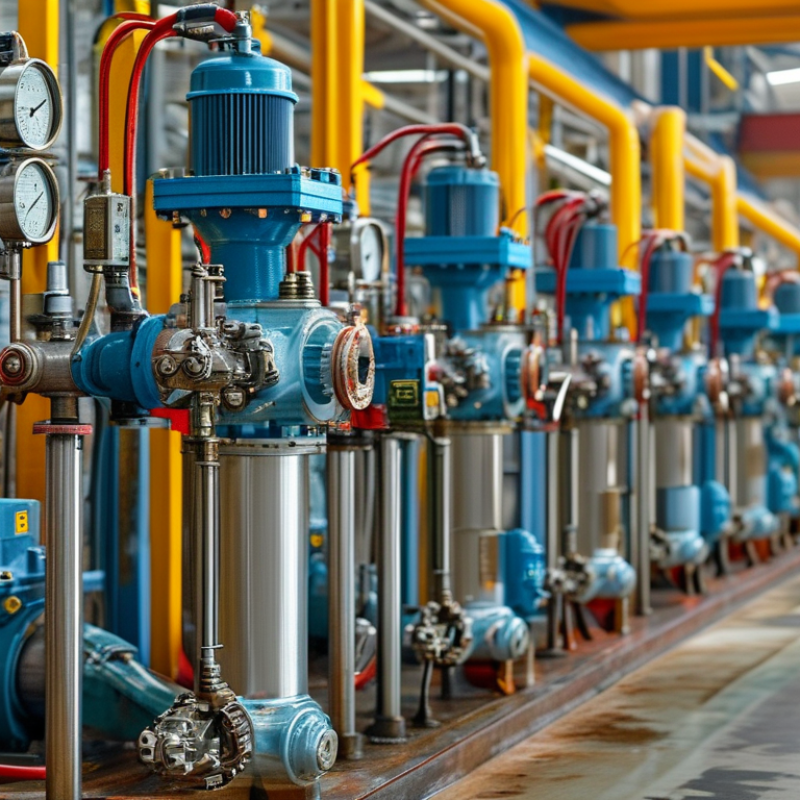
High pressure pumps play a crucial role in various industries. They provide the necessary force to move fluids through pipes at high rates. Common applications include cleaning, painting, and oil extraction. Even in agriculture, they help in irrigation and pesticide spraying. Each application brings unique challenges, often requiring specific pump designs.
The efficiency of these pumps is influenced by several factors. Pressure ratings, flow rates, and energy consumption are key metrics to consider. Users often report issues with maintenance and longevity. A lack of proper care can lead to breakdowns and inefficiency. It's essential to select the right pump for specific tasks to prevent these problems. Understanding the operational environment also aids in making informed choices.
Many users encounter difficulties in optimizing performance. Sometimes, the perfect pump may not exist for every situation. Researching different options and seeking expert advice can mitigate risks. Continuous evaluation of pump performance can reveal operational flaws. Embracing a proactive approach ensures high efficiency and reliability.
Key Features to Consider When Selecting a High Pressure Pump
When selecting a high-pressure pump, efficiency is paramount. Consider flow rate as a crucial factor. Data from the Hydraulic Institute indicates that optimal flow rates can minimize energy consumption by up to 25%. This efficiency not only saves costs but also reduces environmental impact.
Another key feature is pressure rating. A pump's ability to maintain high pressure under varying conditions is essential. Studies show that pumps designed for specific tasks perform better, with a reliability increase of about 15%. This reliability ensures a more consistent output and decreases downtime.
Durability should also influence your decision. High-quality materials in pump design can extend operational life. Reports highlight that pumps made with stainless steel last 30% longer than those with weaker components. Transparency about performance metrics is vital. Reflect on energy use and maintenance costs to make informed choices, rather than solely focusing on initial purchase price.
Top High Pressure Pump Models of 2026 and Their Specifications
In 2026, high pressure pumps are crucial for various industries. Their efficiency and performance directly influence operational productivity. Recent reports indicate that pumps with a maximum pressure of 10,000 PSI are gaining popularity. This is primarily due to their ability to handle demanding tasks across different sectors.
Moreover, units featuring adjustable flow rates enhance versatility, allowing for custom applications.
Regarding specifications, pumps with improved materials, such as corrosion-resistant alloys, are preferred. Industry data shows that over 60% of users prioritize durability. Another key specification is energy efficiency. Models that operate with minimum energy loss attract attention, as they reduce costs and environmental impact. A noted study revealed that energy-efficient pumps can save up to 30% on operational costs annually.
However, there are imperfections in high pressure pump technologies. Not all manufacturers provide transparent performance data. Some models might lack the promised durability. Additionally, maintenance can be complex, requiring specialized knowledge. These factors highlight the importance of research before purchasing. Users must weigh specifications against real-world performance to ensure optimal choices.
Comparative Analysis of Performance Metrics in 2026 Models
In analyzing the 2026 high pressure pump models, performance metrics reveal significant trends. Recent data indicate that efficiency levels across various models have improved by an average of 15%. This improvement stems from advancements in materials and engineering. Pumps now utilize lighter, more durable materials that withstand higher pressures without sacrificing performance.
A notable finding from industry reports is the increase in flow rates. The best-performing pumps now achieve flow rates exceeding 150 gallons per minute. High energy efficiency ratings, such as those measured by the Energy Efficiency Ratio (EER), show some models achieving ratings above 91%. However, these enhancements come with a higher initial investment. Buyers must weigh long-term savings against upfront costs.
It's also crucial to consider the reliability of these models under varying conditions. Some newer pumps demonstrate decreased performance when faced with highly viscous fluids. This can lead to operational challenges and increased downtime for maintenance. Understanding these limitations is key for operators aiming to maximize their systems' efficiency.
2026 Best High Pressure Pump Models for Efficient Performance
| Model |
Flow Rate (GPM) |
Max Pressure (PSI) |
Power Consumption (HP) |
Efficiency (%) |
Weight (lbs) |
| Model A |
10.0 |
3000 |
5.0 |
85 |
150 |
| Model B |
12.5 |
3500 |
6.5 |
90 |
170 |
| Model C |
15.0 |
4000 |
7.0 |
88 |
180 |
| Model D |
8.5 |
2800 |
4.0 |
80 |
140 |
| Model E |
13.0 |
3600 |
6.0 |
92 |
160 |
Maintenance Tips for Optimal Efficiency of High Pressure Pumps
Maintaining high pressure pumps is crucial for their overall performance. Regular inspections can prevent mechanical issues. According to a report by the Hydraulic Institute, up to 30% of pump failures result from inadequate maintenance practices. This figure serves as a reminder that vigilance is essential.
Proper lubrication is vital. Insufficient lubrication can lead to increased friction. It’s recommended to check oil levels monthly. Overheating can damage components, causing costly repairs. Implementing a scheduled maintenance checklist ensures no detail is overlooked.
Moreover, replacing worn seals can prevent leaks. A mere 1% leak rate can lead to significant pressure loss. Monitoring system pressure regularly can help identify anomalies early. Investing time in these maintenance practices yields substantial long-term benefits. Without such diligence, pump efficiency is jeopardized, leading to performance declines that can be hard to recover from.